Sober Living Home for Muslim Women Opens Safe Path in Federal Way
Sober Living Home for Muslim Women Opens Safe Path in Federal Way Recovery housing often ignores faith and cultural needs, leaving many women without a place…
Sober Living Home for Muslim Women Opens Safe Path in Federal Way
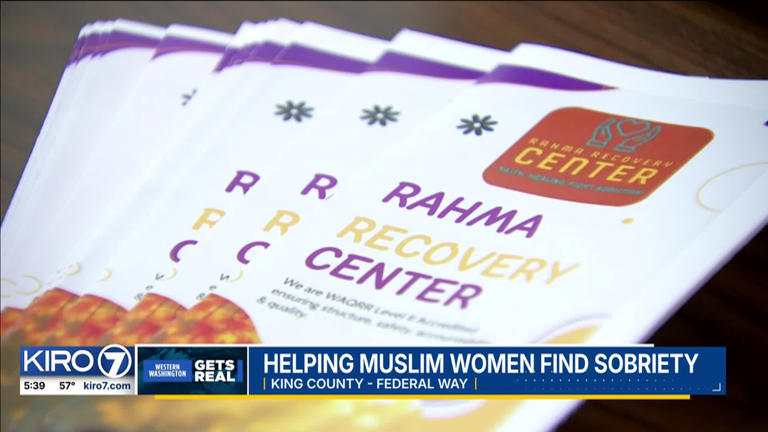
Recovery housing often ignores faith and cultural needs, leaving many women without a place that feels safe. The new sober living home for Muslim women in Federal Way tries to close that gap right now. It blends halal food, prayer-friendly schedules, and rules that respect privacy, so women can focus on staying sober without constant friction. Mainstream homes can feel isolating when daily routines clash with prayer times or dietary laws. This house answers that pain point with structure and accountability, giving residents peer support they trust. Why highlight it now? Local overdose deaths keep climbing, and access to respectful housing can be the thin line between relapse and stability. The home shows what practical, culturally aware recovery can look like.
Early Signals Worth Watching
- Resident-led structure with curfews, chores, and meeting requirements
- Halal food options and prayer space reduce cultural conflicts
- Partnerships brewing with nearby mosques and clinics for referrals
- Sliding-scale fees to keep beds reachable for low-income women
How a sober living home for Muslim women changes access
Traditional recovery houses often ask residents to adapt to one-size-fits-all norms. That forces many Muslim women to choose between sobriety support and their faith rhythm. This model flips it: the house adapts to residents. By aligning daily rules with prayer times and privacy expectations, the home cuts friction that can trigger exits.
Safety matters.
“I wanted a place where my faith and my recovery could breathe at the same time,” said the founder. “Too many sisters were white-knuckling sobriety alone.”
The setup also mirrors team sports more than a clinic. Think of it like a basketball squad setting screens so the shooter gets a clean look; each resident’s routine creates space for the next person to focus on staying sober.
Daily rhythms inside the sober living home for Muslim women
Residents follow clear expectations: sobriety testing, curfews, shared chores, and weekly recovery meetings. Prayer blocks appear on the posted schedule, not squeezed into spare moments. Halal meals are planned with grocery lists and shared cooking duties, which keeps costs low and trust high.
House leaders rotate responsibilities. That rotation prevents burnout and builds ownership. The approach feels less like top-down supervision and more like a co-op with guardrails.
Why Federal Way became the launch point
Federal Way sits between larger urban hubs with growing Muslim communities. The location lets women commute to work or counseling in Seattle or Tacoma while living in a quieter neighborhood. Rent is lower than in the core cities, so the house can hold sliding-scale beds without sinking under costs.
Local mosques and clinics already serve as informal referral networks. Now they have a physical address to point to when someone asks, “Where can I go tonight?”
Funding and sustainability questions
Sliding-scale fees and small grants cover the basics, but long-term stability will hinge on steady occupancy and community donations. Could Medicaid-funded recovery supports eventually help? If the state approves peer support reimbursements for culturally specific housing, the math improves fast.
For now, the house operates lean. No flashy tech, no big staff. Just tight rules, clear roles, and resident buy-in.
Practical tips for families considering placement
- Visit during prayer time to see if the schedule actually respects it.
- Ask about relapse response plans and whether testing is consistent.
- Check partnerships with local clinics for counseling and MAT referrals.
- Review the fee structure and what subsidies are available.
- Speak with current residents to gauge how conflicts get resolved.
Families should also check transportation routes. A 30-minute bus ride to work beats a cheaper bed that leaves someone isolated.
What success looks like in the first year
Short-term wins include stable occupancy, zero safety incidents, and residents completing outpatient programs while staying housed. A year out, look for alumni who hold jobs, attend mosque events, and keep ties with the house. Those relationships become a pipeline of mentors for new arrivals.
Metrics matter, but listen for quieter signals too. Are residents inviting friends to apply? That word of mouth is the truest vote.
Where this model could go next
If this house holds steady, expect copycats in nearby counties. The blueprint could extend to other faith-informed spaces, like homes tailored for Orthodox Jewish women or faith-agnostic houses that still respect dietary rules and privacy needs. The bigger lesson: design recovery housing like you would a good kitchen layout—everything within reach, nothing in the way.
Looking ahead
This Federal Way experiment will face funding gaps and growing pains. But if it keeps residents sober and seen, it sets a new baseline for what recovery housing should offer. Shouldn’t every woman get a bed that respects her life as much as her sobriety?
This article is for educational purposes only and should not be considered medical advice. Always consult a qualified healthcare provider before making decisions about addiction treatment. If you or someone you know is in crisis, call SAMHSA's National Helpline: 1-800-662-4357 (free, confidential, 24/7).