New Sober Living Facility in Colorado Springs Offers a Clear Path Off the Streets
New Sober Living Facility in Colorado Springs Offers a Clear Path Off the Streets If you are trying to stabilize after homelessness and addiction, a sober…
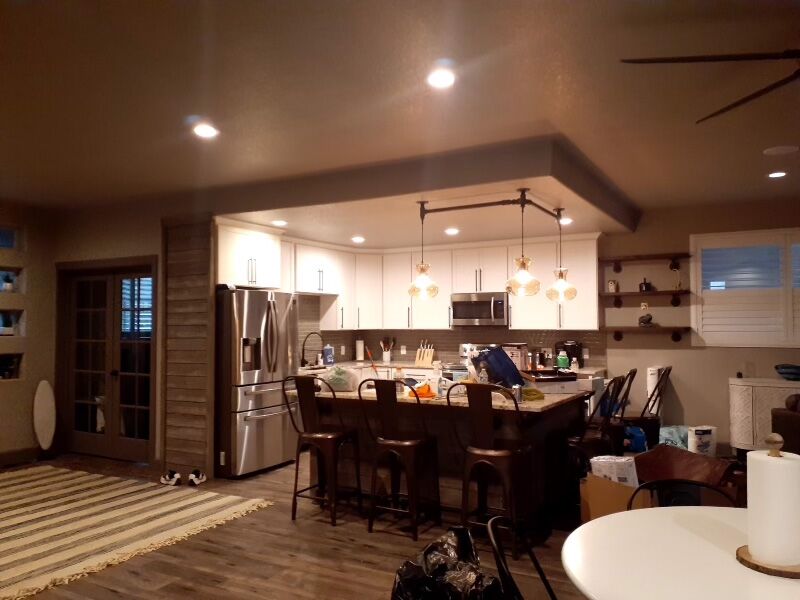
New Sober Living Facility in Colorado Springs Offers a Clear Path Off the Streets
If you are trying to stabilize after homelessness and addiction, a sober living facility Colorado Springs residents can access right now might be the missing link. The new home pairs housing with routines, peer accountability, and services so people are not forced back to the sidewalk after detox. Beds are limited and demand is real, so understanding how to navigate this option matters today. The house sits close to transit and services, making daily appointments doable. And the staff push for simple wins: regular meals, clean clothes, and a job lead. What happens when structure meets support?
Highlights You Can Use
- 30 to 60 day stays with curfews create early stability without trapping residents.
- On-site staff coordinate ID recovery, health visits, and job referrals.
- Peer accountability and house chores keep everyone invested.
- Proximity to clinics and transit cuts missed appointments.
- Graduates get help finding longer-term sober housing.
Small wins beat grand promises.
Sober living facility Colorado Springs: why it matters now
Street-to-treatment gaps remain wide. Detox units discharge people who then bounce between shelters and tents. The new sober living facility Colorado Springs leaders opened aims to plug that gap with predictable routines and a roof. Think of it like a basketball team running set plays: everyone knows their role, and the structure reduces chaos. Residents follow curfews, attend meetings, and check in daily with staff who track medication, paperwork, and appointments.
Staying close to downtown clinics keeps momentum. A missed primary care visit or counseling session can reset progress. The house’s location trims travel time, which lowers the odds of no-shows. Staff also help residents replace lost IDs and Social Security cards. Without documents, job offers evaporate.
Building routines at the sober living facility Colorado Springs
Early days focus on basics: sleep, food, and hygiene. Shared chores mean kitchens stay clean and fridges stay stocked. Residents rotate cooking duties, a reminder that community living mirrors a solid kitchen brigade in a restaurant. Clear expectations reduce conflict and create time for job searches.
“We keep rules simple and consistent so people can focus on recovery, not on guessing what happens next,” a house manager said.
The facility links residents to outpatient counseling and mutual aid groups. Some meetings happen on-site; others are a short bus ride away. Staff push for daily check-ins because accountability keeps people from slipping when cravings spike (yes, even late at night).
Who qualifies and how to apply
Priority goes to people exiting detox or treatment who need a sober environment but do not need 24/7 medical care. Applicants typically need to be substance-free at intake and willing to follow house rules. Most programs ask for a small weekly program fee to cover utilities and food staples. Scholarships or sliding scales may be available through local nonprofits or county funds.
- Call the facility or the referring clinic within a day of discharge.
- Schedule an intake interview; bring any discharge paperwork.
- Show proof of recent sobriety if required by the house policy.
- Discuss payment options and length of stay.
- Agree to curfew, meeting attendance, and chore rotations.
Quick action matters because beds turn over fast. If the house is full, ask to be placed on a waitlist and request referrals to sister sites.
What support looks like after move-in
Expect daily rhythm. Morning check-ins cover medication, appointments, and job leads. Afternoon is for work searches, treatment, or community service. Evenings center on meetings and house chores. The model resembles a training camp: repetition builds muscle memory and confidence.
Residents get help with employment readiness. That includes resume updates, interview prep, and access to work clothes. Some local employers already partner with the house to fast-track interviews for residents who show up on time and pass screenings. Transportation support, often in the form of bus passes, removes another barrier.
Keeping people safe and accountable
House rules forbid substance use on-site and require regular testing. Violations lead to graduated responses rather than immediate discharge. The goal is to keep people safe without ejecting them for a single slip. Staff mediate conflicts and connect residents with mental health services when needed. This layered approach mirrors good defense in soccer: multiple lines of support before the goal is at risk.
Security includes locked storage for medications and a visitor policy that protects residents’ privacy. Curfews are firm but fair, balancing freedom with the need for predictability.
What happens after 60 days
Graduation plans start early. Staff help residents apply for longer-term sober living, subsidized apartments, or reunification with family when it is safe. They also coordinate follow-up counseling so momentum does not stall. Some graduates return as peer mentors, reinforcing the house culture and giving back.
Moving out does not end support. Alumni often keep attending on-site meetings and join group text threads for job leads. That ongoing connection reduces the isolation that can trigger relapse.
How the community can help
Donations of bedding, cookware, and transit cards meet immediate needs. Local employers can offer interview slots or trial shifts. Volunteers can tutor residents on digital literacy or budgeting. And policy makers can fund more beds so the waitlist shrinks.
Curious how to measure success? Look at reduced shelter stays, steady employment, and fewer emergency room visits. These metrics show whether the model delivers.
Why this model faces headwinds
Funding cycles are short, and staffing burnout is real. Neighbors sometimes resist new facilities. Clear communication and open house tours can ease tension. The biggest risk is underestimating demand. Without enough beds, people drift back to camps or unsafe housing.
Still, the model keeps proving its worth when executed with discipline and empathy. The mix of structure, peer support, and services creates a bridge that many cities lack.
Looking ahead
The new sober living facility Colorado Springs residents can access is not a silver bullet. But it is a practical step that pairs shelter with accountability. Imagine what could happen if every discharge from detox had a reserved bed and a coach waiting. That should be the goal. Will the city scale this momentum before winter hits?
This article is for educational purposes only and should not be considered medical advice. Always consult a qualified healthcare provider before making decisions about addiction treatment. If you or someone you know is in crisis, call SAMHSA's National Helpline: 1-800-662-4357 (free, confidential, 24/7).