Smokable Meth in Hawaii: What Families Should Know
Smokable Meth in Hawaii: What Families Should Know You may know meth as a mainland drug crisis, but smokable meth in Hawaii has its own hard history. Honolulu…
Smokable Meth in Hawaii: What Families Should Know
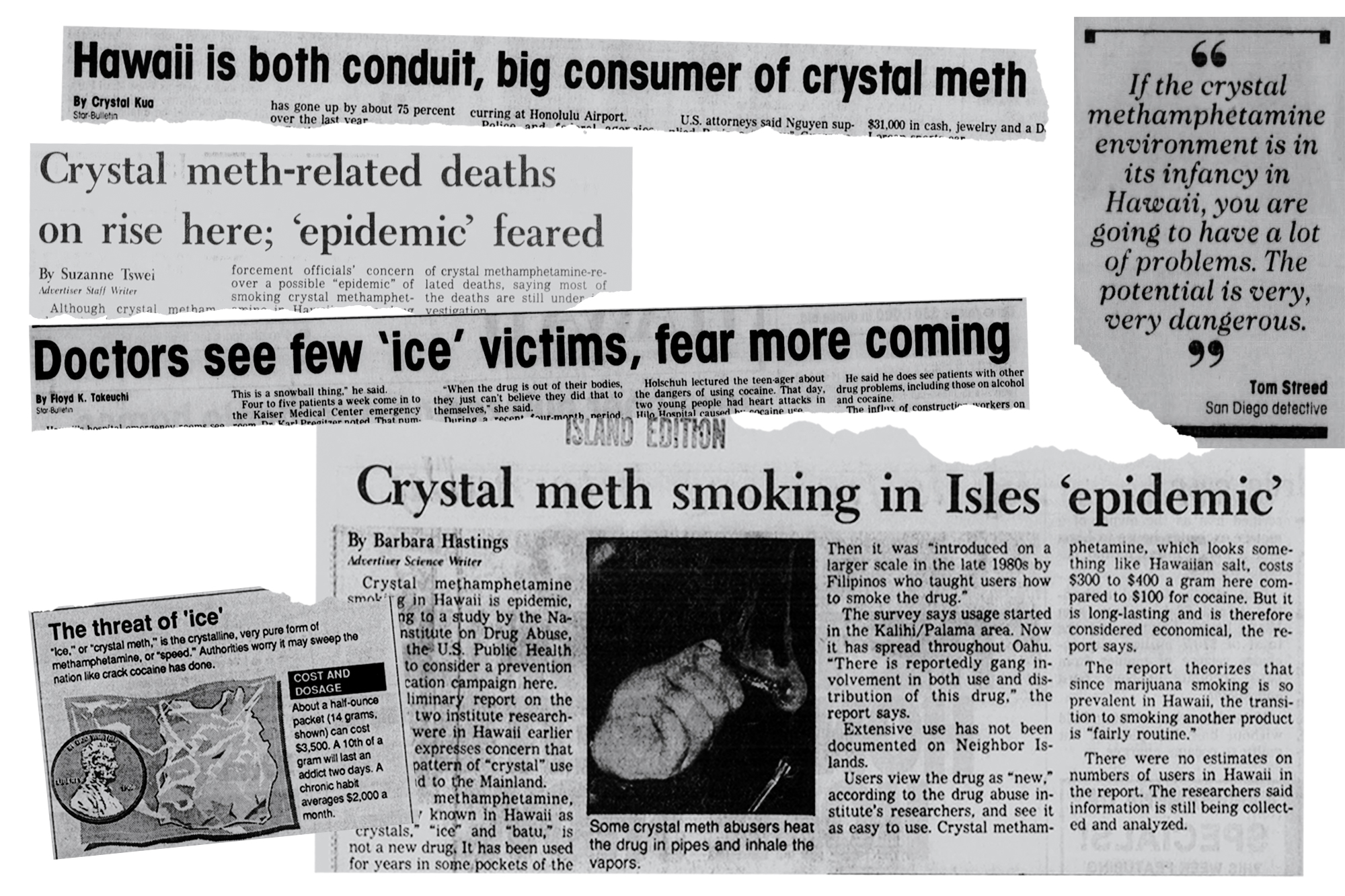
You may know meth as a mainland drug crisis, but smokable meth in Hawaii has its own hard history. Honolulu Civil Beat’s reporting on meth’s early spread in the islands points to a painful truth: Hawaii was not a side chapter. It was one of the first U.S. places where smokable crystal meth took root, shaped by trafficking routes, local demand, stigma, and gaps in treatment. That matters now because the drug never really left. Families still see the fallout in emergency rooms, jails, workplaces, and living rooms. If you are trying to understand a loved one’s behavior, or your own risk, the old story is not trivia. It explains why meth can move fast through tight communities and why shame keeps people quiet for too long.
What Stands Out
- Hawaii played an early role in the U.S. spread of smokable meth, according to Civil Beat’s account of the drug’s landfall in the islands.
- Smoking meth changes the risk profile because the effect hits quickly, which can reinforce repeated use.
- Families often spot the pattern before systems do, especially changes in sleep, mood, money, and trust.
- Treatment needs more than detox. Meth addiction care often requires behavioral therapy, mental health support, housing help, and time.
Why smokable meth in Hawaii spread differently
Hawaii’s geography can make outsiders assume isolation equals protection. The opposite can be true. Islands depend on shipping, air travel, and concentrated social networks, so a drug that finds a foothold can spread through certain circles with startling speed.
Civil Beat’s story, titled “We Were The Guinea Pigs,” frames Hawaii as an early testing ground for smokable meth in the United States. That phrase is harsh, but it fits the sense many longtime residents describe: the islands absorbed the damage before much of the country understood what was coming.
Smokable meth did not arrive as an abstract public health topic. It arrived in neighborhoods, families, and workplaces, where people had to figure out the danger in real time.
Here’s the thing. Drug trends are rarely random. They follow routes, prices, supply chains, enforcement pressure, and the human need to feel better for a few hours. That mix made Hawaii vulnerable.
What makes smoking meth so risky?
Methamphetamine is a stimulant that affects dopamine, sleep, appetite, heart rate, and judgment. Smoking it delivers the drug to the brain quickly, which can make the high feel intense and short-lived compared with some other routes of use.
That fast hit matters. The quicker a drug reaches the brain, the more strongly it can train the reward system to want another dose. Think of it like a tennis player returning balls from a machine set too fast. After a while, reaction replaces thought.
Common signs of meth use can include long periods without sleep, sudden weight loss, agitation, skin picking, paranoia, jaw clenching, and risky decisions that feel out of character. None of these signs prove meth use by themselves, but a cluster deserves attention.
And yes, some people keep jobs, care for kids, or hide use for a while. Functioning is not the same as being safe.
What smokable meth in Hawaii means for families now
Families often ask one question first: “How did we miss this?” The better question is: “What pattern are we seeing now?” Meth use can make someone secretive, volatile, euphoric, exhausted, or suspicious, sometimes within the same week.
Look for changes that stack up. Missing money, broken sleep, new friends with unclear ties, disappearing for long stretches, and sudden anger over basic questions can point to a deeper problem. A single bad week is one thing. A new baseline is another.
That history still matters.
Hawaii’s meth story also shows why shame fails. If people believe they will be branded as weak, criminal, or beyond help, they wait. Waiting gives addiction more room. What helps is clear language, firm boundaries, and a route to care.
How to talk to someone you suspect is using meth
Do not start with a courtroom speech. Start with what you have seen. “You have not slept for two nights, and you missed work twice this week” lands better than “You are ruining everything.”
Pick a time when the person is not intoxicated, panicked, or cornered. Keep your voice steady. If there is any risk of violence, do not handle the conversation alone.
- Name the behavior. Stick to facts you can describe.
- State the impact. Explain how it affects safety, money, children, or housing.
- Offer a next step. Suggest calling a treatment provider, doctor, counselor, or local crisis line together.
- Set a boundary. Make it specific, such as no drug use in the home or no access to shared cash.
- Follow through. Empty threats teach the person that your limits are flexible.
What if they deny everything? That is common. You can still hold the line on behavior. You do not need a confession to protect your home, your children, or your finances.
Treatment is possible, but it is not a quick repair
There is no FDA-approved medication that directly treats methamphetamine use disorder in the same way methadone or buprenorphine treats opioid use disorder. That does not mean treatment is guesswork. Evidence-backed approaches include contingency management, cognitive behavioral therapy, community reinforcement, and treatment for co-occurring depression, trauma, anxiety, or psychosis.
Contingency management may sound too simple because it uses rewards for drug-free tests and treatment attendance. But the National Institute on Drug Abuse has described it as one of the most effective behavioral interventions for stimulant use disorders. Sometimes boring tools work.
Recovery also needs practical support. Sleep may take time to normalize. Dental care, nutrition, legal issues, employment, and housing can all affect whether a person stays engaged. A person leaving treatment without a stable place to sleep is like sending a pitcher back to the mound with a bruised shoulder and no warmup.
Harm reduction still belongs in the conversation
Some readers bristle at harm reduction because they think it excuses drug use. I do not buy that. Harm reduction accepts the reality in front of you, then tries to keep people alive long enough to choose treatment.
For meth, harm reduction can include safer smoking supplies where legal, hydration, rest, wound care, sexual health services, fentanyl test strips, and naloxone access. Why naloxone if meth is a stimulant? Because drug supplies can be mixed, and people may use more than one substance.
Families can use harm reduction too. Keep emergency numbers easy to find. Learn the signs of psychosis, overheating, chest pain, and overdose. If children are in the home, lock up medications, secure valuables, and make a safety plan with another adult.
How to read the Hawaii meth story without giving up
The Civil Beat report is valuable because it resists the tidy version of drug history. It shows how policy, policing, migration, markets, and silence can collide. It also reminds you that communities are not powerless, even when they were forced to learn late.
Look, meth has done seismic damage in Hawaii. But fatalism helps nobody. Better treatment access, honest public reporting, trained family support, and less stigma can change outcomes one person at a time.
The next move is local
If smokable meth is touching your family, do one concrete thing today. Call a local treatment center, ask your primary care clinic for a substance use referral, contact a trusted counselor, or reach out to a family support group. The history is heavy, but your next step does not have to be large. It only has to be real.
This article is for educational purposes only and should not be considered medical advice. Always consult a qualified healthcare provider before making decisions about addiction treatment. If you or someone you know is in crisis, call SAMHSA's National Helpline: 1-800-662-4357 (free, confidential, 24/7).