SF City College Mental Health Program Ending: What Students Lose
SF City College Mental Health Program Ending: What Students Lose If you rely on campus support to stay in school, the SF City College mental health program…
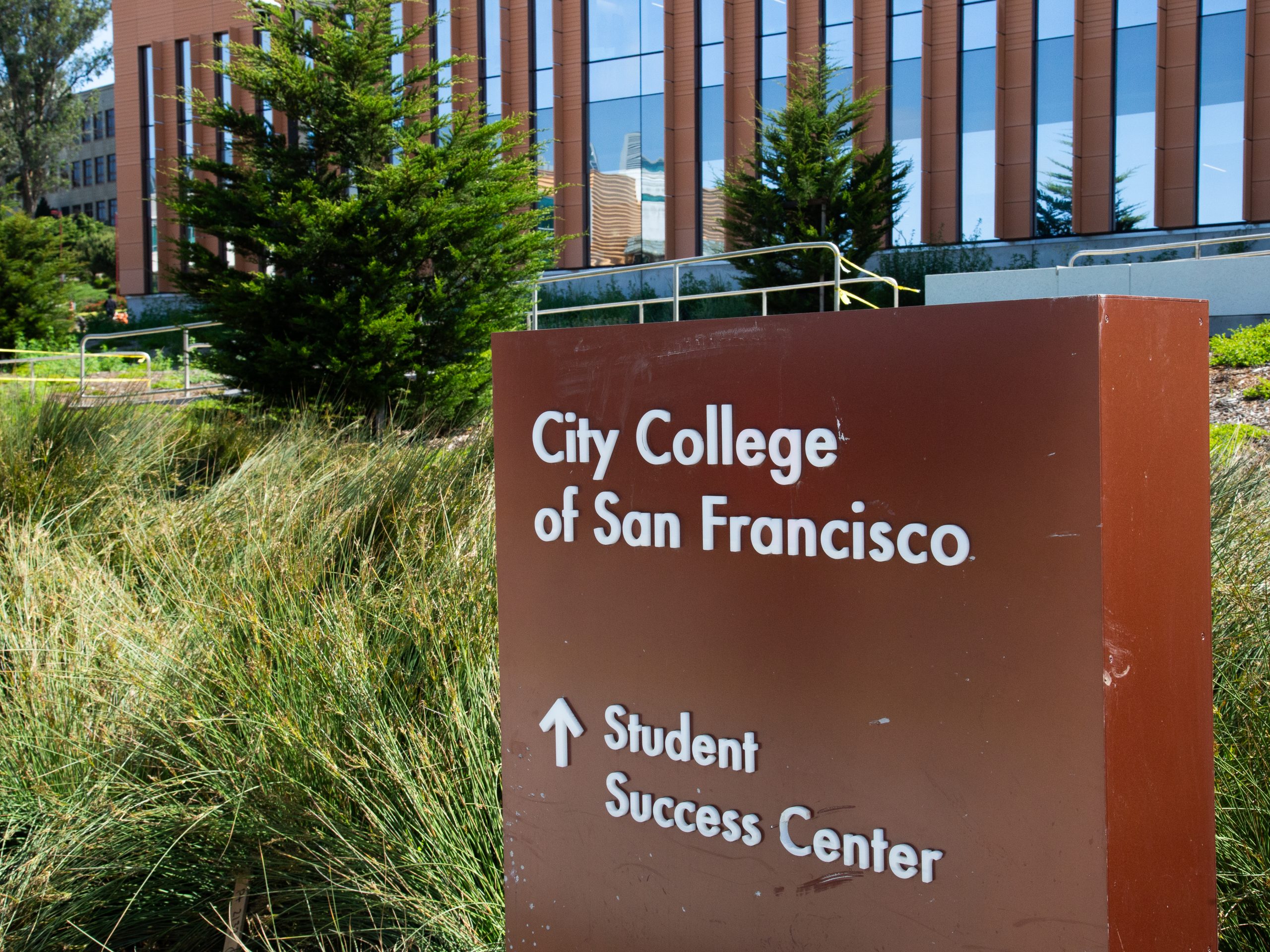
SF City College Mental Health Program Ending: What Students Lose
If you rely on campus support to stay in school, the SF City College mental health program ending is not a small policy shift. It changes how students get counseling, referrals, and day-to-day help at a moment when many are already stretched thin by housing costs, work, and family pressure. For community college students, mental health support often decides whether a rough semester becomes a temporary setback or a full stop. That is why this story matters now. San Francisco City College has served students who need flexible, low-cost access to care, and changes to a campus program can ripple far beyond one office. The bigger question is hard to ignore. What happens when a school trims support services that help vulnerable students stay enrolled?
What stands out
- The program’s end could reduce easy access to mental health care for students who depend on on-campus help.
- Community college students often face higher barriers to outside treatment, including cost, time, and insurance gaps.
- Even short-term campus counseling and referrals can affect retention, attendance, and crisis prevention.
- Students need clear next steps now, not vague promises about future support.
Why the SF City College mental health program ending matters
Campus mental health services are often the first door students can actually open. A private therapist may be too expensive. A county clinic may have a waitlist. And a student working two jobs may not have the time to hunt through a maze of providers.
That is why on-campus programs carry extra weight at community colleges. They meet students where they already are. Literally.
At a four-year university, students may have more built-in support, larger health budgets, or stronger alumni pressure to preserve services. Community colleges usually do not. Their students are more likely to be older, low income, first-generation, parenting, or balancing school with full-time work. According to the Hope Center’s past national surveys on basic needs, large shares of community college students report housing insecurity, food insecurity, and high stress. Mental health support does not sit apart from those problems. It is tied to them.
When a campus program disappears, students do not lose only appointments. They lose a familiar entry point into care.
What students likely lose when a campus program shuts down
People hear “program ending” and assume students can just go somewhere else. Honestly, that misses how campus care works in real life. Accessibility is the service.
Counseling that fits student schedules
On-campus support is easier to use between classes, before work, or during short breaks. Off-campus treatment can mean bus fare, insurance paperwork, and weeks of delay. That gap alone pushes some students out of care.
Early help before a crisis
Many students do not seek care at their lowest point. They seek it when stress starts to spill over into missed classes, panic, depression, or substance use. Remove the low-friction option, and some will wait too long.
Trusted referrals
A good campus program does more than offer sessions. It helps students find psychiatry, group care, trauma support, crisis resources, or local clinics. That handoff matters because the behavioral health system is fragmented (and often deeply frustrating).
A retention tool, not a side benefit
Colleges like to talk about completion rates and student success. Fine. Then they should treat mental health support as part of academic infrastructure, not a nice extra. A student in distress is not going to “grind through it” because a spreadsheet demands persistence.
Why outside care is not an easy replacement
Look, saying students can use outside providers sounds neat on paper. It falls apart fast.
- Cost: Even insured students may face co-pays, deductibles, or out-of-network bills.
- Wait times: New patient appointments can take weeks or months.
- Transportation: Traveling across San Francisco for care is harder than it looks if you work or care for family.
- Language and cultural fit: A referral is only useful if the provider understands the student’s background and needs.
- Stigma: Walking into a campus office feels less intimidating than entering a formal clinic for the first time.
Think of it like removing the nearest fire extinguisher and telling people the fire station still exists. Technically true. Practically weak.
What this says about student mental health priorities
The SF City College mental health program ending also points to a bigger issue. Colleges routinely say mental health matters, then treat support programs as flexible line items when budgets tighten or leadership shifts.
That is a mistake. And not a subtle one.
The evidence on student mental health has been clear for years. The American College Health Association and CDC have repeatedly documented high rates of anxiety, depression, and emotional distress among young adults and college-age populations. Community college students often face added economic strain, which can intensify those pressures. If schools know students are under stress, why make support harder to reach?
A veteran reporter’s rule applies here. Watch the budget, not the slogan. Institutions reveal priorities by what they protect when choices get ugly.
What students can do right now
If you are affected by the SF City College mental health program ending, the next move is to gather specifics fast. Do not wait for rumor to fill the gap.
- Ask the college which services are ending, which remain, and on what date changes begin.
- Request a written list of replacement resources, including crisis lines, community clinics, and referral contacts.
- If you are in treatment now, ask for a transition plan so care does not stop abruptly.
- Check whether the school offers support through wellness centers, disability services, case managers, or external partnerships.
- Document delays or access problems if you are referred off campus. That record matters if students push for restoration.
And speak up. Student services often change quietly unless enough people force public attention.
What advocates and families should watch for
Families, staff, and local advocates should press for details that colleges sometimes leave fuzzy. Is the program ending completely, being absorbed elsewhere, or being replaced with a thinner version under a new name? Those are not the same thing.
Ask practical questions:
- How many students used the program?
- What were the most common services?
- Will licensed clinicians still be available?
- Are crisis response and referral services staying intact?
- What is the plan for uninsured or undocumented students?
One sentence in a campus memo can hide a lot.
What comes next for student support
The end of a campus program does not always trigger immediate public backlash. Sometimes the damage shows up later in withdrawals, stalled semesters, and students who simply disappear from class rosters. That is the real risk here.
If San Francisco wants community college access to mean anything beyond cheap tuition, support services have to be part of the promise. Otherwise, schools are inviting students in with one hand and pulling away the scaffolding with the other. The next step is simple. Students and advocates should demand a public accounting of what is being cut, what replaces it, and whether college leaders are willing to own the fallout.
This article is for educational purposes only and should not be considered medical advice. Always consult a qualified healthcare provider before making decisions about addiction treatment. If you or someone you know is in crisis, call SAMHSA's National Helpline: 1-800-662-4357 (free, confidential, 24/7).