School Counseling Services Move Closer to Students
School Counseling Services Move Closer to Students Students often need help long before they reach a therapist’s office. Transportation, cost, stigma, long…
School Counseling Services Move Closer to Students
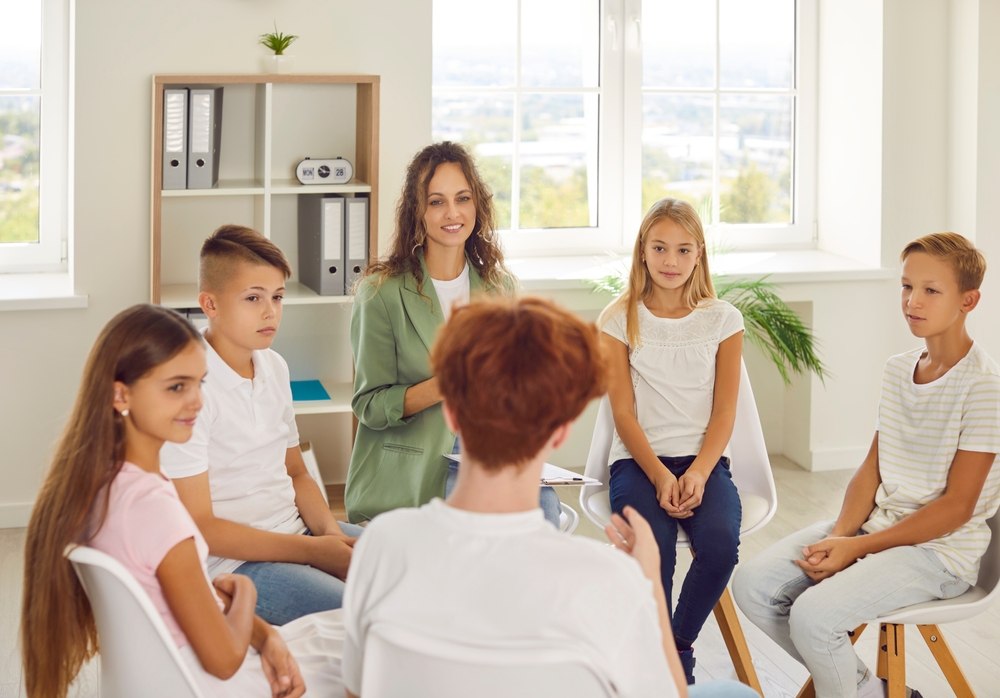
Students often need help long before they reach a therapist’s office. Transportation, cost, stigma, long waitlists, and a parent’s work schedule can turn a simple referral into weeks of delay. That gap matters now because schools are still seeing high levels of stress, anxiety, grief, and behavior concerns among young people. School counseling services can close part of that gap by meeting students where they already spend most of their day. The University of South Florida’s College of Education is putting that idea into practice by bringing counseling support directly to K-12 students through a school-based model. It is a practical move, and frankly, the kind of mental health access strategy more districts should study before buying another app or one-size-fits-all program.
Why This Model Stands Out
- USF’s College of Education is connecting counseling services with students inside school settings.
- The approach reduces common barriers, including transportation and scheduling.
- School-based care can help students earlier, before problems become harder to treat.
- Families may be more likely to follow through when support is familiar and nearby.
- The model gives future counselors real supervised experience while serving local communities.
Why School Counseling Services Need to Be Easier to Reach
Access is the whole story. A student can have a referral, a diagnosis, and a willing parent, but none of it helps if care sits across town with a three-month wait. Schools are often the first place adults notice changes in mood, attendance, sleep, grades, or behavior.
That makes the campus a logical entry point for care. Not perfect. Logical.
According to the Centers for Disease Control and Prevention, youth mental health concerns remain a serious public health issue, with many students reporting persistent sadness or hopelessness in recent survey data. The U.S. Surgeon General has also warned that youth mental health problems were rising before the pandemic and worsened during it. Those are not abstract numbers to teachers, counselors, or parents. They show up as missed classes, fights, panic attacks, and quiet withdrawal.
Bringing care to students is not a trendy perk. It is a service design choice that removes friction.
Here’s the thing. If a student needs math help, schools do not usually tell the family to find a tutor miles away during business hours. Mental health support should not depend on that kind of obstacle course either.
What USF’s School Counseling Services Approach Adds
The USF College of Education report describes an effort to bring counseling services directly to students, rather than expecting every family to seek help outside the school day. That shift sounds simple, but it changes the odds of a student actually getting support.
For districts, the value is practical. For university counseling programs, it also creates a training pathway where graduate students and professionals can work in real school environments with supervision and community context. That matters because school-based mental health work has its own rhythm. A counselor may need to coordinate with teachers, understand attendance patterns, and work with families who are under pressure.
What does that look like on the ground?
- Earlier identification: Teachers and school staff can flag concerns before a student reaches a crisis point.
- Warmer referrals: A trusted school adult can help connect the student with support.
- Less missed time: Students may not need to leave campus for every appointment.
- Better family engagement: Parents can work with a familiar school-linked team.
- Real-world counselor training: Future counselors learn the messy, human side of school care.
School Counseling Services Are Not a Replacement for Therapy Everywhere
Look, school-based care has limits. Serious psychiatric needs, substance use disorders, self-harm risk, trauma treatment, and complex family situations may require outside specialists, emergency care, or longer-term clinical treatment. Schools should not pretend they can do everything.
But they can do more than hand out a phone number.
The best school counseling services work like a well-run kitchen. Some needs can be handled right there, quickly and skillfully. Others need a specialist, a different tool, or more time. The point is to sort needs fast and keep the student from getting lost in the pantry.
What families should ask before using school-based counseling
- Who provides the counseling, and what are their credentials?
- Is the service supervised by licensed professionals?
- How is student privacy protected?
- When will parents or guardians be contacted?
- What happens if the student needs care beyond the school program?
- Is there a crisis plan for urgent safety concerns?
These questions are not rude. They are basic. A solid program should be able to answer them in plain language.
How School Counseling Services Can Support Mental Health and Learning
Mental health and academic performance are tied together, even if school systems often treat them as separate folders. A student who is anxious, grieving, depressed, or dealing with conflict at home may struggle to focus. That can look like defiance, laziness, or lack of motivation, when the real issue is emotional overload.
School counseling services can help by giving students a place to name what is happening and learn coping skills. That might include breathing techniques, problem-solving, communication practice, emotional regulation, or help dealing with peer conflict. For younger students, it may involve play-based methods or family meetings. For older students, it may include goal setting, stress planning, or support around identity, relationships, and future pressure.
And yes, trust takes time.
That is another reason the school setting can help. Students see the support as part of their normal environment, not as a strange appointment in a medical building. For some families, that difference can lower stigma.
What Districts Can Learn From USF’s School Counseling Services Model
District leaders should watch programs like USF’s because they point to a more grounded way to expand care. The answer is not always another platform, another survey, or another poster about resilience. Students need reachable people with training, supervision, and enough time to help.
A district considering a similar partnership should start with a few non-negotiables:
- Clear consent rules: Families need to know what services are offered and how permission works.
- Defined scope of care: The program should explain what it can and cannot treat.
- Crisis protocols: Staff must know what to do if a student may harm themselves or someone else.
- Cultural fit: Services should reflect the languages, communities, and lived realities of students.
- Data tracking: Schools should monitor referrals, attendance, outcomes, and wait times without exposing private details.
- Referral networks: Programs need strong links to outside clinics, hospitals, and community agencies.
That last point is often where good ideas stumble. A school-based program can open the front door, but the back door needs to lead somewhere dependable if a child needs higher-level care.
The Family Angle: Less Friction, More Follow-Through
Parents and caregivers are often blamed for not following through on referrals. Sometimes that criticism is unfair. If a parent works two jobs, lacks transportation, or cannot afford a private therapist, the barrier is not motivation. It is logistics.
Bringing counseling closer to students gives families a more realistic path. It can also help parents hear concerns earlier, before grades crash or behavior leads to suspension. Done well, school-based counseling does not cut parents out. It pulls them in with less strain.
Could this model solve every youth mental health problem? No. But it can shorten the distance between concern and care, and that distance is where many students fall through.
What Comes Next for Student Mental Health Access
USF’s school-centered counseling effort is worth watching because it treats access as a design problem, not a slogan. If students need care, put trained people closer to them. If families face barriers, remove some of the barriers. If future counselors need experience, train them in the places where young people actually live their weekday lives.
The next smart step for districts is to audit the gap between referral and first appointment. How many students are identified, and how many actually receive care? That number will tell leaders whether their mental health plan is working, or whether it only looks good on paper.
This article is for educational purposes only and should not be considered medical advice. Always consult a qualified healthcare provider before making decisions about addiction treatment. If you or someone you know is in crisis, call SAMHSA's National Helpline: 1-800-662-4357 (free, confidential, 24/7).