San Francisco Harm Reduction Therapy Backlash
San Francisco Harm Reduction Therapy Backlash People in San Francisco are not arguing over a slogan. They are arguing over what help should look like for…
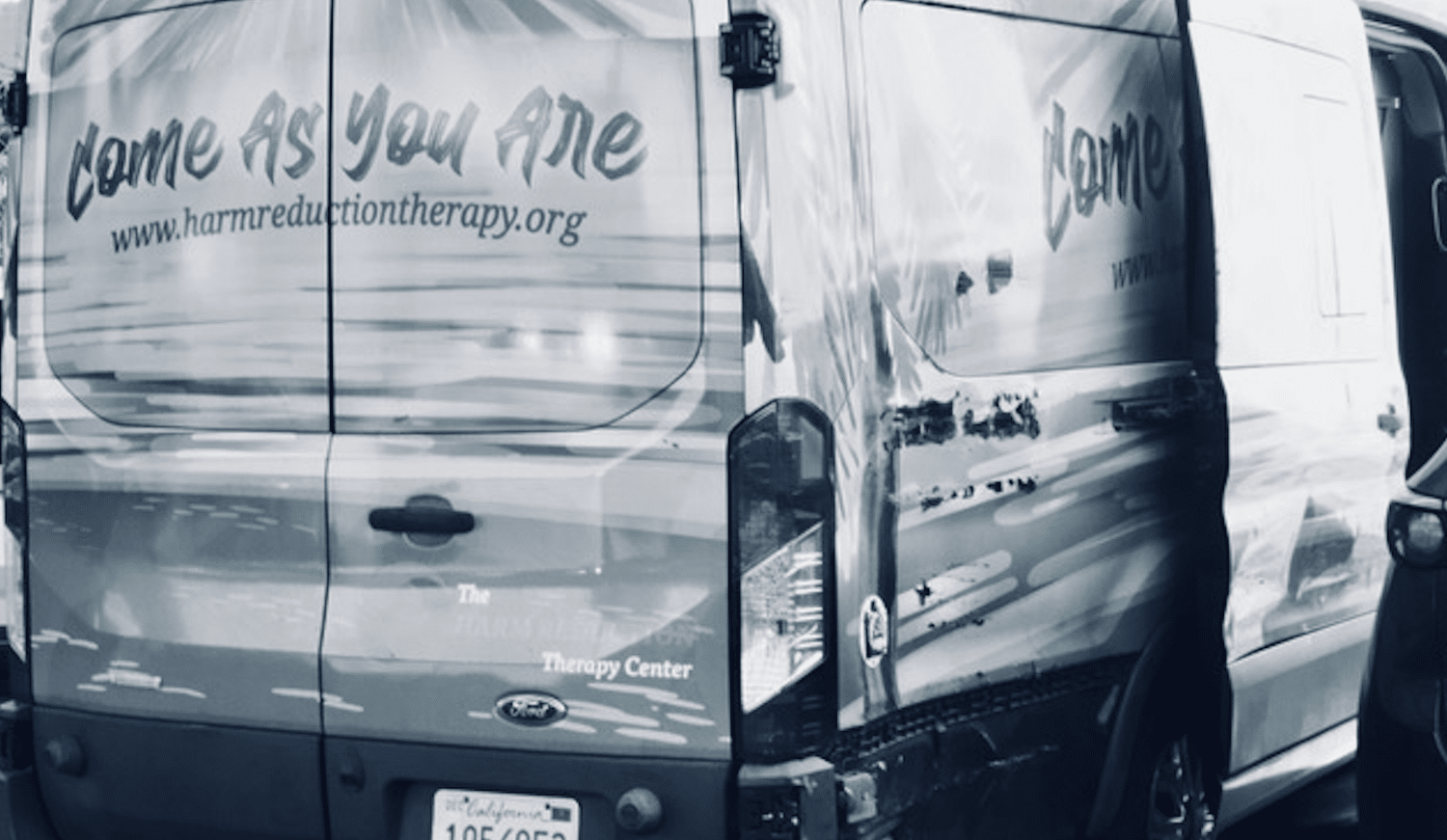
San Francisco Harm Reduction Therapy Backlash
People in San Francisco are not arguing over a slogan. They are arguing over what help should look like for people who use drugs, and who gets to decide. The san francisco harm reduction therapy backlash is a sharp example of that fight. Some want care that meets people where they are, even if they are still using. Others want a harder line, and they see that approach as too permissive or too slow to produce visible change.
That clash matters now because overdose risk, public drug use, and pressure on city services are all in the same frame. If you work in treatment, policy, outreach, or family support, this debate affects the services you can offer and the language you can use. And it is not a small academic dispute. It shapes whether people stay connected to care or walk away.
What the backlash is really about
At the center of the san francisco harm reduction therapy backlash is a basic question. Should treatment demand abstinence up front, or should it focus first on stability, safety, and trust?
Harm reduction therapy usually includes practical steps like safer-use counseling, motivational work, boundary setting, and support for reducing risk without forcing immediate sobriety. For many clinicians, that is the only approach that keeps some people engaged. For critics, it can sound like the city is lowering the bar when people want faster, more visible results.
“The dispute is less about whether people deserve care. It is about which kind of care gets funded, defended, and judged as effective.”
That tension is not unique to San Francisco. But the city has become a loud test case because its drug crisis is visible, its politics are tense, and every policy choice gets read as a public statement.
Why harm reduction therapy draws fire
Here is the thing. People often use the word “harm reduction” as if it means one program. It does not. It includes syringe services, overdose prevention, medication for opioid use disorder, outreach, and counseling models that accept partial progress. That broad umbrella makes it easy for opponents to attack the whole idea by focusing on one piece.
The backlash usually comes from three pressure points:
- Public visibility: If drug use is still visible on the street, some people assume the care model failed.
- Outcome mismatch: Short-term harm reduction goals can look too small to people who want abstinence or housing gains right away.
- Political optics: Leaders often get blamed for anything that feels soft on drugs, even when the clinical goal is survival.
Think of it like building a house while people are already living in it. You do not stop the leaks by arguing over the blueprint. You patch the roof first, then fix the wiring. Harm reduction therapy takes that same sequence seriously.
What the evidence does and does not show
The research on harm reduction is strongest on one point. It saves lives. Syringe services reduce HIV and hepatitis C transmission, naloxone reverses overdoses, and medications like buprenorphine and methadone lower mortality and improve retention in care, according to long-running public health guidance from the CDC, SAMHSA, and the World Health Organization.
But the evidence is less tidy on culture-war claims. Harm reduction does not instantly fix public disorder. It also does not guarantee every person will move from safer use to recovery on a neat timetable. Why would it? Addiction treatment rarely follows a straight line.
That is why a blunt yes-or-no debate misses the point. The real question is whether a program keeps people connected long enough for change to happen. If the answer is yes, that is not failure. It is a foothold.
What critics often get wrong
Some critics treat reduced use, fewer overdoses, or more clinic visits as weak outcomes. They are not. Those are the conditions that make later recovery possible.
And some supporters oversell harm reduction as if it can replace every other service. It cannot. People need housing, psychiatric care, detox, medications, peer support, and follow-up. Harm reduction is a lane, not the whole highway.
How service providers can respond without getting trapped in the debate
If you work in the field, the smartest move is to stay concrete. Do not argue in slogans. Show what your program does, who it reaches, and what changes it produces over time.
- Define the goal in plain language. Say whether you are reducing overdose, improving retention, supporting medication access, or helping clients move toward abstinence.
- Track the right outcomes. Count engagement, referral follow-through, overdose reversals, and treatment starts. Do not rely on vibes.
- Pair harm reduction with pathways. Make the next step obvious, whether that is medication, counseling, peer support, or housing help.
- Use nonjudgmental but specific language. Vague empathy can sound slippery. Clear boundaries build trust.
Consistency matters more than perfect messaging. If your program is stable and easy to access, people notice. If it feels chaotic, the critics will fill in the blanks for you.
What families and communities should watch for
Families often get stuck between fear and exhaustion. They want action, but they also want dignity for the person they love. That makes this debate personal fast.
Look for programs that can answer a few simple questions. Can they explain how they reduce overdose risk? Can they connect someone to medication quickly? Do they follow up after a crisis, or do they disappear once the moment passes?
Good harm reduction therapy should not feel like surrender. It should feel like a plan. That plan may be slower than people want, and yes, that can be maddening. But what is the alternative, a system that waits for people to be ready on someone else’s schedule?
Where the city may be headed next
San Francisco is likely to keep testing the limits of this argument. Pressure from residents, business groups, clinicians, and advocates will keep colliding with the daily reality of fentanyl, homelessness, and overloaded services.
The most useful shift would be less performative outrage and more hard evidence. Which programs keep people alive? Which ones build trust? Which ones move people into treatment without pushing them out the door first?
The next fight will not be about whether harm reduction therapy exists. It will be about whether leaders can fund it honestly, measure it clearly, and defend it without hiding behind buzzwords. That is the real test now.
What matters next
If you want to judge the san francisco harm reduction therapy backlash fairly, start with this simple standard. Does the approach reduce immediate danger and create a path to more care later?
That is the question worth demanding answers to. Not the slogans. Not the panic. The next policy move should be judged by whether it keeps people alive long enough to make a different choice tomorrow.
This article is for educational purposes only and should not be considered medical advice. Always consult a qualified healthcare provider before making decisions about addiction treatment. If you or someone you know is in crisis, call SAMHSA's National Helpline: 1-800-662-4357 (free, confidential, 24/7).