SAMHSA Funding for Fentanyl Test Strips and Overdose Hotlines
SAMHSA Funding for Fentanyl Test Strips and Overdose Hotlines If you work in harm reduction, grant rules can decide what help reaches people and what gets left…
SAMHSA Funding for Fentanyl Test Strips and Overdose Hotlines
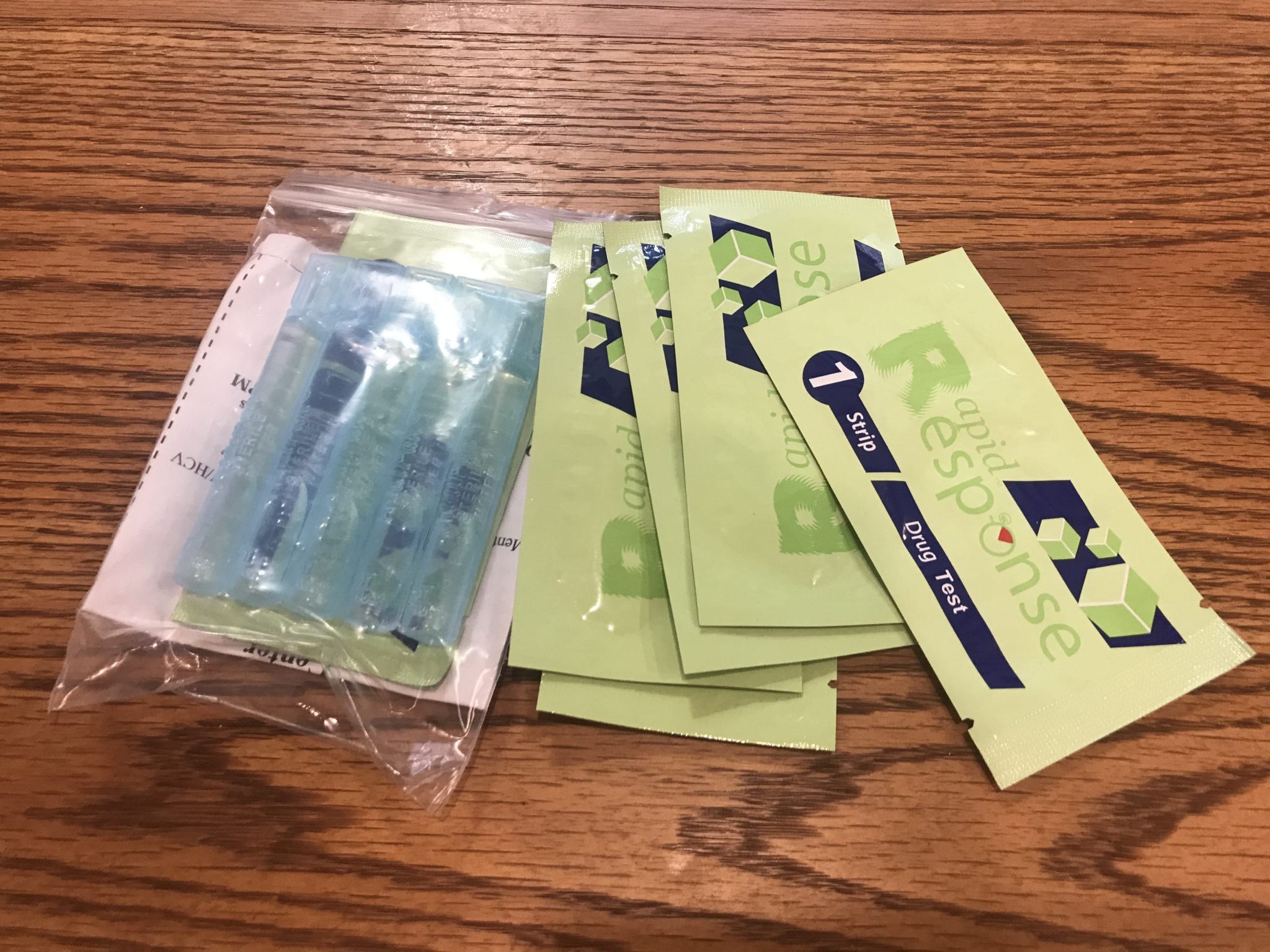
If you work in harm reduction, grant rules can decide what help reaches people and what gets left on the table. That is why the latest shift in SAMHSA funding for fentanyl test strips matters right now. The agency has updated parts of its grant guidance so programs can support fentanyl test strips, drug-checking supplies and overdose hotline services in ways that were once blocked or murky. That may sound like a dry policy tweak. It is not. These tools can help people avoid contaminated drug supplies, make faster choices in a crisis and stay alive long enough to reach care on their own terms. For local groups, health departments and treatment providers, the practical question is simple. What changed, and what can you actually do with it?
What this change means on the ground
- SAMHSA signaled that some federal grant funds can support fentanyl test strips and overdose hotline services.
- The shift gives harm reduction programs more room to buy supplies and build services that match real overdose risk.
- Local groups still need to check the exact terms of each grant, because federal guidance is rarely one-size-fits-all.
- This move follows years of pressure from advocates who argued that older restrictions ignored how people actually stay safer.
What changed in SAMHSA funding for fentanyl test strips
According to Filter, the Substance Abuse and Mental Health Services Administration updated guidance tied to State Opioid Response and Tribal Opioid Response grants. The new language allows grant recipients to use funds for fentanyl test strips and certain overdose prevention hotline services, alongside other harm reduction measures.
That is a real shift. For years, groups faced a patchwork of rules, local politics and legal confusion around drug-checking tools. Some states treated fentanyl test strips as paraphernalia. Some federal funding streams were silent. Others were interpreted so narrowly that programs avoided the issue entirely.
Policy language can look minor on paper, but in public health it often works like plumbing. If the pipe is blocked, the service never reaches the street.
And that has been the problem.
Why SAMHSA funding for fentanyl test strips matters
Fentanyl has changed the overdose crisis. It is potent, common in the illicit drug supply and often present where people do not expect it, including stimulants and counterfeit pills. In that setting, test strips are a practical tool. They do not solve the whole problem, but they give people information they can act on.
What do people do with that information? They may use a smaller amount, avoid using alone, keep naloxone close, or decide not to use that supply at all. That is the basic logic of harm reduction. You do not wait for perfect behavior before offering a way to stay alive.
Overdose hotlines matter for a similar reason. They create a link between isolation and response. If someone is using alone, a hotline operator may stay on the line, gather location details and call emergency services if the person stops responding. It is triage for the real world, not the fantasy version where everyone has a safety net.
How overdose hotlines fit into harm reduction
Overdose prevention hotlines have grown because more people use drugs alone, often for reasons that have nothing to do with preference. Fear of arrest. Housing instability. Stigma. A fractured social circle. Take your pick.
Services such as Never Use Alone have drawn attention to a simple truth. Solitary use can be deadly, and a phone line can narrow that risk. Is it ideal? No. But neither is telling people to simply stop while the drug supply gets more toxic by the month.
Think of overdose hotlines like a spotter in weight training. The spotter does not lift the bar for you. They step in when things go bad fast.
What providers and community groups should do next
If you run a program, this is the moment to read your grant terms closely and move from vague interest to actual implementation. Federal agencies may open the door, but local administrators still decide how wide that door swings.
- Review current grants. Check State Opioid Response, Tribal Opioid Response and related award language for approved harm reduction purchases and service models.
- Document local need. Use overdose data, toxicology trends and community input to show why fentanyl test strips or hotline partnerships fit your area.
- Train staff. A box of supplies is not a program. Staff need scripts, referral pathways and clear education on safer use, naloxone and emergency response.
- Work with legal counsel if needed. State paraphernalia laws and local enforcement culture still matter, even when federal funding policy shifts.
- Measure outcomes. Track distribution, engagement, referrals and participant feedback so the service can survive the next budget fight.
What this does not fix
Look, this policy change is useful. It is not enough.
Test strips have limits. They can miss context about potency, contamination patterns or the presence of other dangerous adulterants. Hotlines also depend on phone access, user trust and emergency response systems that do not always serve people well, especially people who fear police contact.
There is also a bigger policy gap. Advocates have pushed for broader drug checking, safer consumption services and a cleaner break from abstinence-only funding logic. SAMHSA moved a step. The overdose crisis demands several more.
The politics behind the shift
This did not happen by accident. Harm reduction advocates, public health groups and people who use drugs have spent years arguing that federal policy was out of sync with street reality. Their case was plain. People cannot benefit from treatment, recovery support or anything else if they are dead.
That pressure appears to be working, at least in part. The Biden administration has taken a more open posture toward some harm reduction tools than prior administrations, though the pace has been uneven. Honestly, federal drug policy still behaves like a house renovated room by room. One part gets updated while another still has wiring from 1978.
What to watch next
The next fight is not over whether these tools exist. It is over scale, access and durability. Will states actively support fentanyl test strip distribution, or quietly slow-walk it? Will grant reviewers treat overdose hotlines as legitimate public health infrastructure, or as a political risk?
Watch for three things:
- How states interpret SAMHSA guidance in their own funding decisions
- Whether local programs can buy and distribute supplies without legal pushback
- Whether federal agencies go further on drug checking and other harm reduction services
Where this leaves harm reduction programs
For providers and advocates, the message is clear. SAMHSA funding for fentanyl test strips is no longer a fringe policy question. It is now part of the operating map for overdose prevention work.
Use the opening while it is open. Build the service, train the staff, gather the data and make it harder for the next round of officials to pretend these tools are optional. If federal policy is finally catching up to the crisis, the smart move is to push it further.
This article is for educational purposes only and should not be considered medical advice. Always consult a qualified healthcare provider before making decisions about addiction treatment. If you or someone you know is in crisis, call SAMHSA's National Helpline: 1-800-662-4357 (free, confidential, 24/7).