SAMHSA Advisory on Pharmacists and Buprenorphine
SAMHSA Advisory on Pharmacists and Buprenorphine If you are trying to get buprenorphine, the pharmacy counter can be the last barrier between a prescription…
SAMHSA Advisory on Pharmacists and Buprenorphine
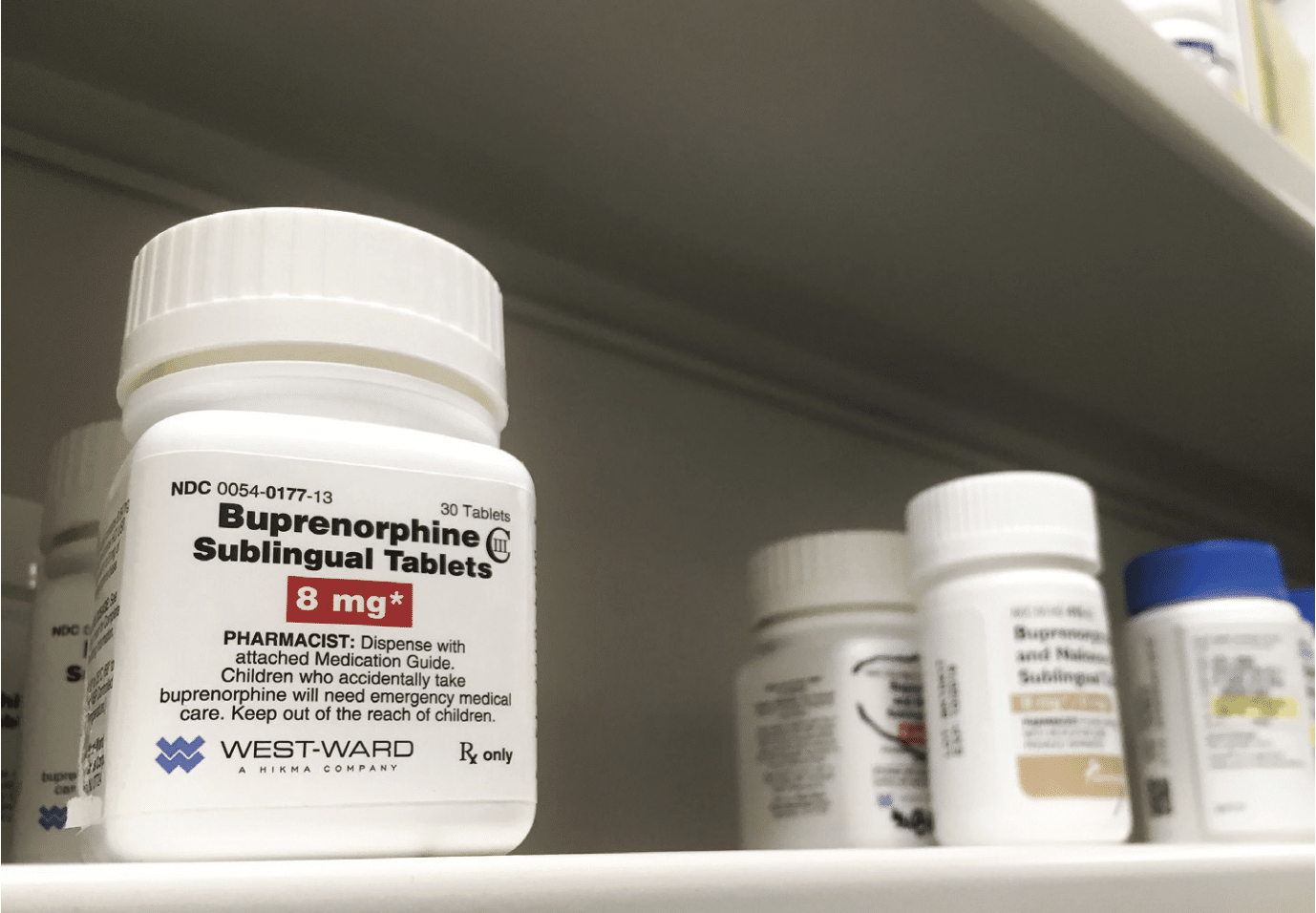
If you are trying to get buprenorphine, the pharmacy counter can be the last barrier between a prescription and treatment. That is why the SAMHSA advisory on pharmacists and buprenorphine matters now. It pushes back on a common problem in opioid use disorder care. Too often, patients have a prescription in hand and still leave empty-handed because a pharmacy is unsure, cautious, or simply unwilling to fill it.
This is not a small paperwork issue. It affects whether you stay in treatment, avoid withdrawal, and lower overdose risk. The advisory also sends a clear message to pharmacists: buprenorphine is a standard, evidence-based medication, not a special favor. When pharmacy practice lags behind clinical need, people pay the price. Why should a lifesaving medication be treated like a nuisance order?
- Buprenorphine access often breaks down at the pharmacy stage.
- SAMHSA is urging pharmacists to treat the medication as routine care.
- Clear communication between prescribers, patients, and pharmacies can prevent delays.
- Stigma still shapes how some pharmacies handle opioid use disorder treatment.
What the SAMHSA advisory is trying to fix
The advisory addresses a stubborn gap in care. A clinician may diagnose opioid use disorder and prescribe buprenorphine, but the prescription does not help if a pharmacy refuses to stock it, delays it, or questions the dose without reason. That gap can feel like a locked door when someone is already in withdrawal.
Buprenorphine has a strong evidence base. The National Institute on Drug Abuse has long reported that medications for opioid use disorder reduce illicit opioid use and improve treatment retention. SAMHSA is leaning into that reality and telling pharmacists to treat buprenorphine like essential medicine, not a red flag.
Pharmacy access is treatment access. If the medication is delayed, the plan is delayed. And in opioid use disorder care, delays can be dangerous.
Why pharmacists matter in buprenorphine access
Pharmacists sit at a critical point in the system. They verify prescriptions, answer patient questions, and often decide whether a medication moves smoothly or stalls. In a lot of communities, they are the most accessible health professionals a person sees.
That makes their role non-negotiable. But it also puts pressure on them to understand dosing, formulations, insurance issues, and the legal basics of dispensing buprenorphine. Think of it like a traffic intersection. If the signal is confusing, every car slows down. Nobody gets where they need to go.
Common friction points
- Stock shortages or limited ordering
- Unfamiliarity with buprenorphine products
- Concerns about diversion that lead to overcautious behavior
- Stigma toward patients with opioid use disorder
- Insurance prior authorization problems that get blamed on the patient
Some of these problems are operational. Others are cultural. And some are both. A pharmacist may be acting from caution, but the patient experiences it as rejection.
What SAMHSA wants pharmacists to do differently
The advisory pushes pharmacists toward direct, practical behavior. Fill the prescription when it is valid. Ask questions when they are needed, but do not create artificial barriers. Know the medication well enough to counsel the patient without making them defend their treatment.
That means pharmacists should be ready to explain how buprenorphine works, what side effects to watch for, and why consistent use matters. It also means they should know how to handle partial fills, refill timing, and communication with prescribers. The point is not to turn every pharmacist into an addiction specialist. The point is to make routine care actually routine.
- Verify the prescription promptly.
- Stock commonly used buprenorphine formulations when possible.
- Speak to the patient without judgment.
- Resolve insurance or documentation issues without sending the patient away empty-handed.
- Coordinate with the prescriber when a real clinical question comes up.
SAMHSA advisory and buprenorphine stigma
Stigma is the ugly thread running through a lot of buprenorphine access problems. Some people still see medication treatment as replacing one drug with another. That view is outdated, and it ignores the data on reduced overdose risk and improved stability.
Honestly, this is where the pharmacy world can either help or harm. A person picking up antibiotics should not have a simpler path than a person picking up a medication that can keep them alive. The difference says less about the drugs and more about the bias built into the system.
Patients feel that bias fast. A pause at the counter. A suspicious tone. A sudden refusal to order the medication. Small moments, seismic impact.
What patients can do if a pharmacy delays buprenorphine
If you hit a wall, do not assume the prescription is the problem. Sometimes the issue is stock, insurance, or a pharmacist who needs more training. Sometimes it is outright reluctance. Either way, you need a plan.
- Ask the pharmacy to explain the exact barrier.
- Call the prescriber’s office and describe the issue clearly.
- Request that the pharmacy contact the prescriber directly if clarification is needed.
- Ask whether another location in the same chain has the medication in stock.
- Keep notes on dates, names, and what was said.
If you are a family member helping someone in treatment, stay calm and specific. The goal is to move the prescription, not to win a debate at the counter.
Why this advisory matters beyond the pharmacy
This is bigger than one medication. It is about whether health systems mean what they say when they call addiction a medical condition. If a treatment works, but access depends on which counter you reach, then the system is still failing.
The SAMHSA advisory on pharmacists and buprenorphine also hints at a broader fix. Train pharmacy staff better. Normalize addiction treatment. Cut the reflex to treat every buprenorphine prescription like a special case. That would save time, reduce patient dropout, and make the whole chain less brittle.
What comes next for buprenorphine access
The real test is not whether the advisory sounds right. It is whether pharmacies change behavior. Will they stock the medication more consistently? Will staff stop turning routine prescriptions into interrogations? Will patients get treatment on the day they need it?
That is the line worth watching. If SAMHSA’s message lands, buprenorphine access gets less tangled, and more people stay in care. If it does not, the same old barriers will keep doing their damage. Look at the next pharmacy encounter. That is where this story gets real.
This article is for educational purposes only and should not be considered medical advice. Always consult a qualified healthcare provider before making decisions about addiction treatment. If you or someone you know is in crisis, call SAMHSA's National Helpline: 1-800-662-4357 (free, confidential, 24/7).