SAMHSA 988 Lifeline Funding Explained
SAMHSA 988 Lifeline Funding Explained If you follow mental health policy, you have probably seen headlines about new federal money for crisis care and wondered…
SAMHSA 988 Lifeline Funding Explained
If you follow mental health policy, you have probably seen headlines about new federal money for crisis care and wondered what actually changes on the ground. That question matters because the 988 Suicide & Crisis Lifeline is no longer a pilot idea. It is a front-door service for people in emotional distress, suicidal crisis, or urgent mental health need. SAMHSA 988 Lifeline funding shapes whether calls get answered fast, whether text and chat work well, and whether overstretched crisis centers can keep up. In a recent announcement, the U.S. Department of Health and Human Services said the Substance Abuse and Mental Health Services Administration, or SAMHSA, awarded $255 million to Vibrant Emotional Health to administer the 988 network. That is a big federal bet on crisis response. But money alone does not fix a strained system.
What stands out
- SAMHSA awarded $255 million to Vibrant Emotional Health to administer the 988 Suicide & Crisis Lifeline network.
- The funding supports call, text, and chat services, along with backup capacity and network operations.
- 988 is meant to route people to trained crisis counselors, which can reduce pressure on 911 and emergency departments in some cases.
- The bigger test is execution. Speed, staffing, local coordination, and follow-up care still decide whether 988 works for the public.
What is the SAMHSA 988 Lifeline funding for?
According to HHS, the award goes to Vibrant Emotional Health, the long-time administrator of the national lifeline system. The money is intended to support the operation of 988 nationwide, including voice, text, and chat access. It also covers the technical and staffing backbone needed to route contacts, maintain service continuity, and support local crisis centers.
That sounds bureaucratic. It is also essential. A crisis line is a bit like an air traffic control system for emotional emergencies. If routing fails, staffing dips, or backup centers are thin, the whole experience degrades fast.
The federal message is clear. 988 is not being treated as a side project. It is now core public health infrastructure.
Why SAMHSA 988 Lifeline funding matters now
Demand for mental health crisis support has stayed high since 988 launched in 2022. People use the line for suicidal thoughts, panic, substance use crises, and concerns about a loved one. And they expect a modern service, not a busy signal or a long hold time.
That expectation is fair.
HHS has pushed 988 as a simpler alternative to older crisis line access, with the goal of making help easier to reach. The easier part is the three-digit number. The hard part is everything behind it, from trained counselors to regional call routing to quality assurance. This award targets that back-end work.
There is also a policy angle here. For years, the United States leaned too heavily on police, jails, and emergency rooms to handle mental health crises. 988 does not erase that habit overnight, but it gives states and local systems a stronger off-ramp. If someone can talk to a counselor by phone or text and get connected to community care, that is often a better outcome than an unnecessary ER visit.
“988” only works as promised if people can reach a trained counselor quickly and get linked to real help nearby.
How the 988 Suicide & Crisis Lifeline actually works
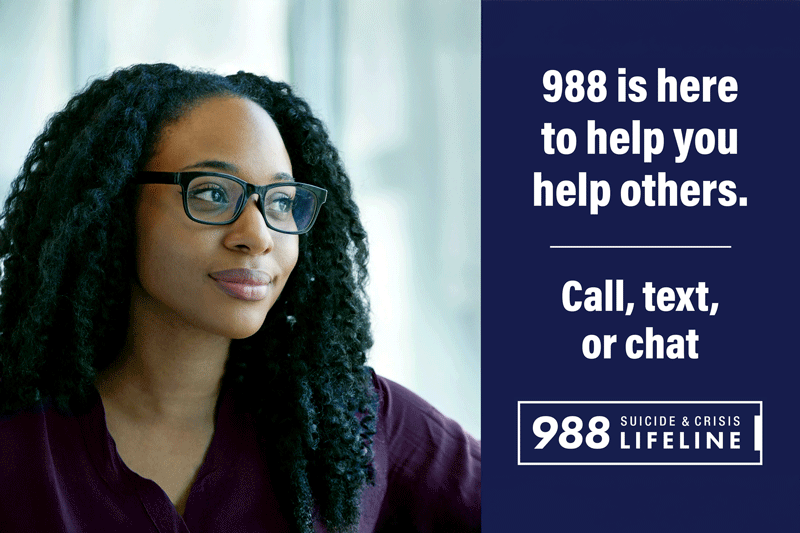
The public-facing part is simple. You call or text 988. You can also use chat services tied to the lifeline. Behind that simple step is a national network made up of local, regional, territorial, and tribal crisis centers, supported by a central administrator.
What happens after someone contacts 988
- The system routes the call, text, or chat to an available crisis center.
- A trained counselor responds and assesses the situation.
- The counselor offers de-escalation, emotional support, and safety planning.
- If needed, the person may be connected to local mental health services or mobile crisis resources.
- In a smaller share of cases, emergency services may be engaged if there is immediate danger.
Look, this is the part hype often skips. 988 is not magic, and it is not a replacement for the entire mental health system. It is one access point. An important one, yes, but still just one door.
Where SAMHSA 988 Lifeline funding could help most
The HHS announcement points to administration of the national service, but the practical value shows up in a few specific areas.
1. Faster response times
People in crisis should not wait through endless hold music. More operational support can improve answer rates, reduce abandoned contacts, and give backup centers the ability to absorb spikes in volume.
2. Better support for text and chat
Younger users often prefer text. Some people in unsafe home situations do too. Funding that strengthens text and chat is not a luxury. It is a non-negotiable part of access.
3. More stable network operations
National hotlines need redundant systems, technical maintenance, and quality oversight. That is not flashy, but if the platform fails during a surge, none of the branding matters.
4. Stronger coordination across crisis centers
Some centers are well-resourced. Others are stretched thin. Central administration can help smooth that unevenness, though it cannot fully solve workforce shortages or local funding gaps.
What this funding does not solve
Here is the part I would not gloss over after years of covering this space. Federal hotline money is necessary, but it does not guarantee a complete crisis care system.
Plenty of communities still lack enough mobile crisis teams, crisis stabilization units, and outpatient follow-up care. So what happens if 988 successfully identifies someone who needs in-person support, but the local system has nowhere to send them? That is the bottleneck.
And there is another issue. Public awareness has improved, yet many people still do not know what 988 is for, or they worry that any call for help will automatically bring police to the door. Clear public education matters because fear keeps people from reaching out.
Honestly, the biggest measure is not press release size. It is whether a person in pain gets timely, competent, humane help.
SAMHSA 988 Lifeline funding and the bigger crisis care shift
This award fits a broader move toward treating mental health and substance use crises as health issues first. That shift has been uneven, but it is real. SAMHSA, HHS, state agencies, and local providers have all been trying to build a model where crisis response starts with counseling and clinical triage instead of defaulting to law enforcement.
Think of it like fixing a house’s front porch before rebuilding the whole structure. The porch matters because it is where people first arrive. But if the rooms inside are damaged, entry alone will not solve much. 988 is the front porch. Community treatment capacity is the house.
What readers should watch next
If you want to judge whether this funding has teeth, pay attention to a short list of signals over the next year:
- Average speed to answer across call, text, and chat
- Whether local crisis centers can retain trained staff
- How often contacts are resolved without emergency department use
- Expansion of mobile crisis and follow-up care in states and counties
- Public reporting from HHS, SAMHSA, and the 988 Lifeline on performance trends
That is where the real story sits, not in the dollar figure alone.
What this means for mental health access
The $255 million SAMHSA award to administer 988 shows that the federal government sees crisis response as core health infrastructure, and that is the right call. But the public should expect more than a well-funded switchboard. They should expect a service that answers quickly, supports text and chat well, and connects people to care that exists beyond the first conversation.
If 988 keeps getting stronger, it could become one of the few parts of the U.S. mental health system that feels simple to use. The next question is the one policymakers cannot dodge. Will they invest just as hard in the care people need after someone picks up?
This article is for educational purposes only and should not be considered medical advice. Always consult a qualified healthcare provider before making decisions about addiction treatment. If you or someone you know is in crisis, call SAMHSA's National Helpline: 1-800-662-4357 (free, confidential, 24/7).