Safe Prescription Disposal: Stop Leftover Pills from Fueling Harm
Safe Prescription Disposal: Stop Leftover Pills from Fueling Harm You probably have half-used bottles tucked in a cabinet. That clutter is not harmless. Safe…
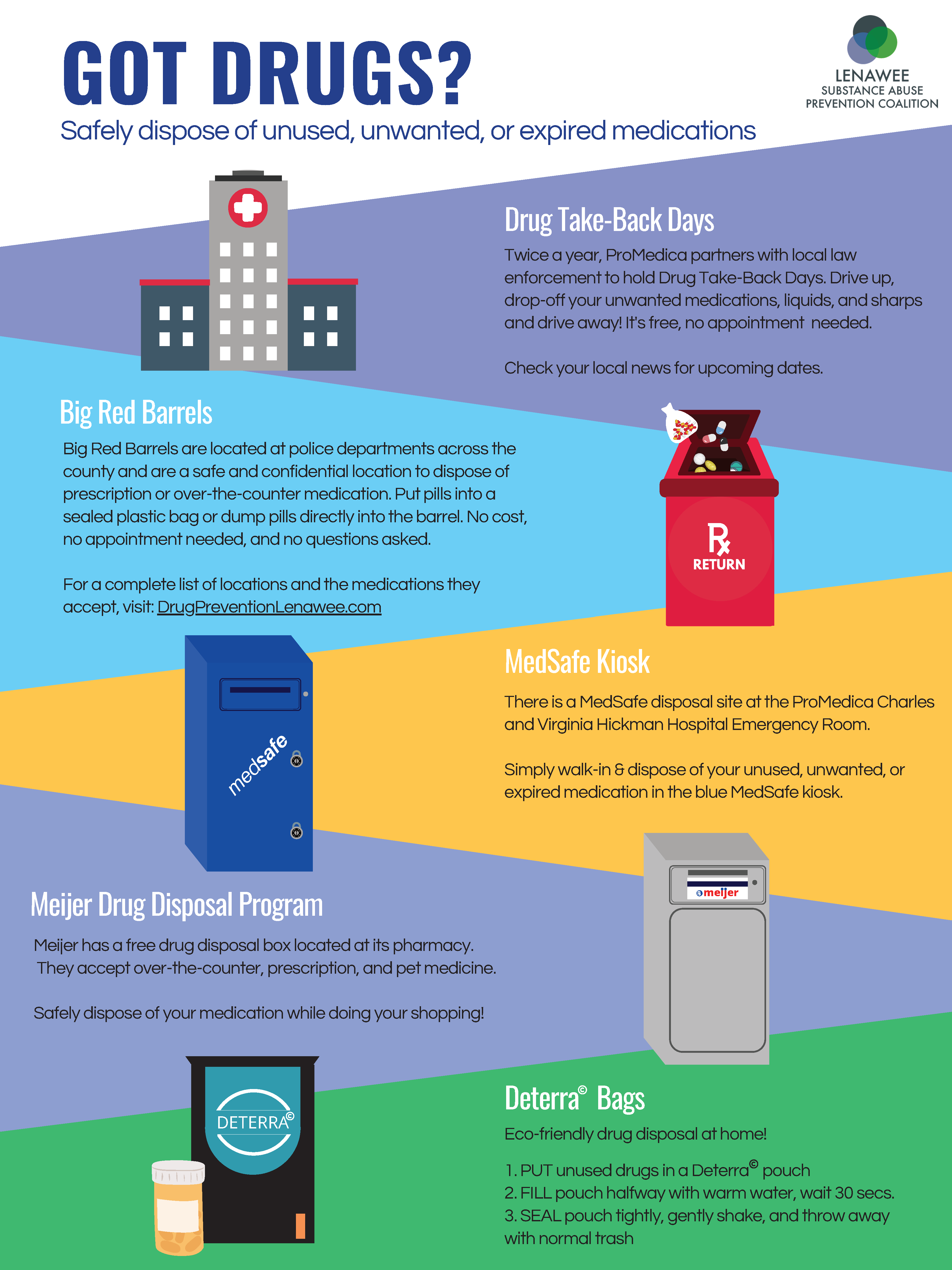
Safe Prescription Disposal: Stop Leftover Pills from Fueling Harm
You probably have half-used bottles tucked in a cabinet. That clutter is not harmless. Safe prescription disposal reduces diversion, poisoning, and misuse, and this matters now as unintentional overdoses keep rising. The mainKeyword safe prescription disposal should be part of every household routine because it keeps kids, teens, and even visiting friends from grabbing something dangerous. Pharmacies and military bases see the fallout when expired opioids or stimulants circulate. And yes, even common painkillers become risky when mixed or taken by the wrong person. Look closely at your medicine shelf: does it protect or expose the people in your home?
Quick Wins to Keep Medicine Misuse Out
- Use take-back kiosks or events for expired or unused pills.
- Store current prescriptions in a locked box, not a kitchen drawer.
- Track refill dates to spot unusual use early.
- Mix unwanted pills with coffee grounds before trashing if no take-back exists.
- Remove labels to protect your health information.
How Safe Prescription Disposal Works in Everyday Life
Think of it like cleaning your fridge: you toss spoiled food to avoid sickness. The same habit applies to medication. You check dates, remove what is stale, and keep what you need in the right spot. Simple. One mindful sweep each month prevents surprises.
“Unused medications at home are the most accessible supply for misuse and accidental poisoning,” notes the DEA during National Prescription Drug Take Back Day campaigns.
Set Up a Secure Storage Spot
Pick one location with a lock. Bathroom cabinets are humid and easy to access, so avoid them. A small lockbox on a closet shelf works better (and it signals that you take safety seriously). Keep an updated list of what you store and when each item expires.
Schedule Disposal Like a Bill Payment
Mark your calendar for local take-back events or drop-offs at pharmacies. If you cannot get to a kiosk, mix pills with dirt or coffee grounds, seal them in a bag, and place them in the trash. Never flush unless the FDA specifically instructs it for that drug.
Safe Prescription Disposal at Military and Community Sites
Bases and community pharmacies often host year-round disposal boxes. Ask the pharmacist for a neutralizing pouch if you live far from a drop point. These pouches deactivate pills and make them unattractive to anyone digging through trash. And if you live with service members, prompt disposal also cuts the risk of career-impacting incidents.
One clear rule stands: expired opioids belong out of the house.
Spotting Red Flags Before They Spread
Missing pills, frequent early refill requests, or sudden mood shifts should trigger a conversation. Why? Because small supply leaks become larger misuse patterns fast. Treat anomalies like a smoke alarm and check storage first. Talk with your prescriber about tapering plans to reduce leftover doses.
Main Obstacles and How to Beat Them
- Lack of awareness: Put a brief note on the family bulletin board about where to drop meds.
- Convenience: Keep a sealable bag ready for transport so you are prepared when you pass a pharmacy.
- Privacy concerns: Peel or black out labels to protect your data before disposal.
- Mixed advice: Follow FDA guidance per drug; when unsure, choose take-back first.
What if you miss a take-back day? You still have options. Use in-home deactivation kits or mix with unappealing trash. The point is momentum, not perfection.
Building a Household Policy That Sticks
Write a short family rule: prescriptions live in the lockbox, expire on this date, and leave the house through the pharmacy drop. Share it with caregivers and babysitters. Consistency beats complex plans, just like a solid defensive line in football keeps the play contained.
Where Safe Prescription Disposal Fits in Prevention
Proper disposal is one layer of harm reduction alongside naloxone access and patient education. It reduces diversion, protects kids from poisoning, and lowers the chance of medication mix-ups for elders. Combined with clear dosing instructions, you create a safer environment without adding burden.
Closing Move: Make Disposal a Habit, Not a Chore
Set a date, clear the cabinet, and drop the meds. Repeat monthly. Will you wait for the next headline about accidental overdoses, or will you tighten your own home first?
This article is for educational purposes only and should not be considered medical advice. Always consult a qualified healthcare provider before making decisions about addiction treatment. If you or someone you know is in crisis, call SAMHSA's National Helpline: 1-800-662-4357 (free, confidential, 24/7).