Rock Island County Opioid Overdose Deaths Decline
Rock Island County Opioid Overdose Deaths Decline Rock Island County has a reason to breathe a little easier. Opioid overdose deaths have declined, according…
Rock Island County Opioid Overdose Deaths Decline
Rock Island County has a reason to breathe a little easier. Opioid overdose deaths have declined, according to local reporting, but the numbers do not mean the crisis is over. People still face fentanyl exposure, uneven access to treatment, and the grind of getting care fast enough to matter.
That is the real problem for families, health workers, and local leaders. A drop in deaths can hide the harder truth that addiction is still moving through communities, and the gap between surviving an overdose and getting stable treatment remains wide. What good is a better headline if the system still fails people after the emergency room visit? The county is in a better place than it was, but the next step is the one that counts.
What the decline in opioid overdose deaths means
- Fewer deaths are real progress, but they do not erase ongoing risk.
- Fentanyl still drives overdose danger, and even small amounts can be deadly.
- Treatment access matters more than ever after naloxone or ER intervention.
- Local data should guide response, not just headlines.
The decline suggests some combination of prevention, response, and treatment efforts is helping. That might include wider naloxone access, public health outreach, and more awareness about the danger of contaminated drugs. But one strong quarter or year does not change the basic shape of the problem.
“Lower death counts are encouraging, but they can also create a false sense of closure. The crisis shifts when people are still using, still relapsing, and still struggling to find care.”
Why opioid overdose deaths declined, and why that does not solve the problem
Local declines often come from a mix of factors. Naloxone saves lives. Emergency responders are faster and better trained. Some people enter treatment. Some drug supplies change. And sometimes users take steps to reduce risk after hearing about overdoses in their circle.
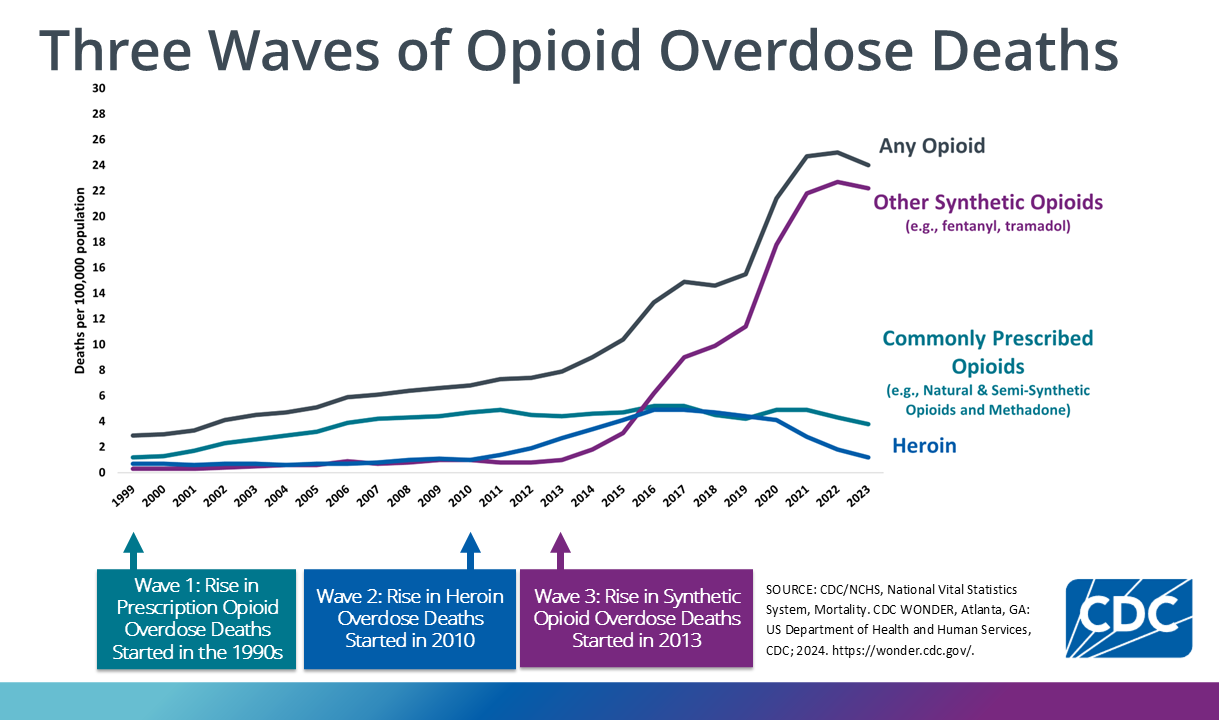
But the county cannot treat this like a finished job. The drug market changes fast, especially with fentanyl in the mix. A safer period can vanish if supply shifts again. That is why public health experts watch trends over time, not one snapshot.
Think of it like patching a roof during a storm. One leak fixed does not mean the house is dry. You still need the whole structure inspected.
Where the biggest gaps remain in opioid response
The hardest part is what happens after the overdose is reversed. People need a path to medication treatment, counseling, and follow-up care. If that path is slow, confusing, or too far away, the risk of another overdose stays high.
Treatment access and continuity
Medication for opioid use disorder, including buprenorphine and methadone, remains one of the strongest tools for reducing overdose risk. The problem is not whether the treatment works. The problem is whether people can get it quickly and stay connected to it.
- Same-day or next-day care is better than a long wait.
- Transportation can be the difference between starting treatment and dropping out.
- Insurance barriers and limited clinic capacity still slow care.
Fentanyl changes the math
Fentanyl is more potent than heroin and many prescription opioids. That makes the current drug supply more dangerous, even for people who think they are using something else. One bad dose can be enough. That is why naloxone, test strips where available, and fast emergency response stay non-negotiable.
Harm reduction is not a side issue. It is part of the main strategy. Without it, the county is asking people to survive a threat without giving them the tools to do it.
What local leaders should do next
The response should be plain and practical. Start with more naloxone distribution. Keep pushing education that is specific, not vague. Expand low-barrier treatment so people can walk in and get help without a maze of appointments.
And track what works. Which neighborhoods are seeing fewer overdoses? Which referral paths keep people in care? Which programs actually reach people who use alone or outside the medical system? That kind of detail matters more than broad promises.
Local agencies can also improve post-overdose follow-up. A rescue without follow-up is like restarting a car with no fuel. It moves for a moment, then stalls.
What families should watch for now
Families often see warning signs before anyone else does. Changes in sleep, secrecy, money problems, and missing medication can point to deeper trouble. If you are worried, act early. Ask direct questions. Keep naloxone available. Know where treatment begins in your area.
And if someone has overdosed before, the risk is not theoretical. The next event can be worse. That is why every contact with the health system should lead to a treatment plan, not just a discharge sheet.
Where Rock Island County goes from here
The decline in opioid overdose deaths is worth noting. It suggests the community is not standing still. But the work is far from done, and the next phase needs more than hope. It needs fast treatment, steady follow-up, and a tighter safety net for people most at risk.
Look, the county has a chance to turn a modest win into lasting change. Will local leaders treat the decline as proof of progress, or as a reason to push harder before the next wave hits?
This article is for educational purposes only and should not be considered medical advice. Always consult a qualified healthcare provider before making decisions about addiction treatment. If you or someone you know is in crisis, call SAMHSA's National Helpline: 1-800-662-4357 (free, confidential, 24/7).