Responsible Sports Betting Lessons From Houston vs Texas Tech Odds
Responsible Sports Betting Lessons From Houston vs Texas Tech Odds You can enjoy a Big 12 matchup without letting the bet run the show. Responsible sports…
Responsible Sports Betting Lessons From Houston vs Texas Tech Odds
You can enjoy a Big 12 matchup without letting the bet run the show. Responsible sports betting matters because college basketball odds move fast, picks spread even faster, and one confident prediction can make risk feel smaller than it is. The Hard Rock Bet preview of Houston vs Texas Tech frames the game through odds, betting angles, and market movement. That is useful if you already understand your limits.
But the harder question is this: what should you do before acting on any pick? A betting preview can inform you, but it cannot know your budget, stress level, debt, or betting history. I have covered digital wagering long enough to know the pattern. The problem usually starts small, then speed and access turn it into something heavier.
What to keep in view
- Odds are prices, not promises. A favorite can lose, and a strong trend can break.
- Your bankroll should come before your opinion. If the stake hurts, the bet is too large.
- College sports can be volatile. Injuries, foul trouble, road fatigue, and shooting variance can swing a game fast.
- Chasing losses is the red flag to take seriously. One bad night should not become a bigger second bet.
Responsible sports betting starts before you read the pick
Betting content often focuses on the spread, moneyline, and total. That is normal. A preview like the Houston vs Texas Tech article from Hard Rock Bet gives readers a snapshot of the market and the case for a side or angle.
Your first job is different. You need to decide whether betting fits your current life, not whether Houston’s defense can slow Texas Tech. If rent, bills, child support, medical costs, or credit cards are in the picture, betting money should not be in the same mental bucket.
“The cleanest betting decision is made before emotion enters the room.”
That may sound plain, but it is the line many bettors cross. Pregame analysis feels calm. Live betting after a turnover, a bad whistle, or a 10-0 run can feel like grabbing at smoke.
Treat your bankroll like a kitchen recipe.
If you add too much heat, the dish is ruined no matter how good the ingredients looked at the start. A sharp read on a matchup does not protect you from poor stake sizing.
How to read Houston vs Texas Tech odds without overreacting
A Big 12 showdown can invite strong opinions. Houston’s defense, Texas Tech’s home or road profile, tempo, rebounding, and late-game guard play can all shape the number. Good handicappers weigh those inputs, then compare them with the sportsbook price.
Still, a line is not a secret message from the future. It reflects market supply, demand, bookmaker risk, injuries, public action, and sharp money. Sometimes the number is efficient. Sometimes it is stale. Often, it is close enough that the edge is thinner than a casual bettor thinks.
Ask these questions before you bet
- Am I betting because I found value, or because I want action during the game?
- Would I still make this bet if I could not watch it live?
- Does this stake fit within a pre-set weekly limit?
- Am I trying to recover money from an earlier loss?
- Have I compared the line, or am I taking the first price I see?
That last point matters. If one book has Houston at a different spread or total than another, the better number can reduce long-term risk. But line shopping is not a license to bet more. It is a discipline tool.
Responsible sports betting means setting hard limits
Good limits are boring. That is why they work. Set them before the game, while your head is clear and before push alerts, social posts, and odds boosts start tugging at you.
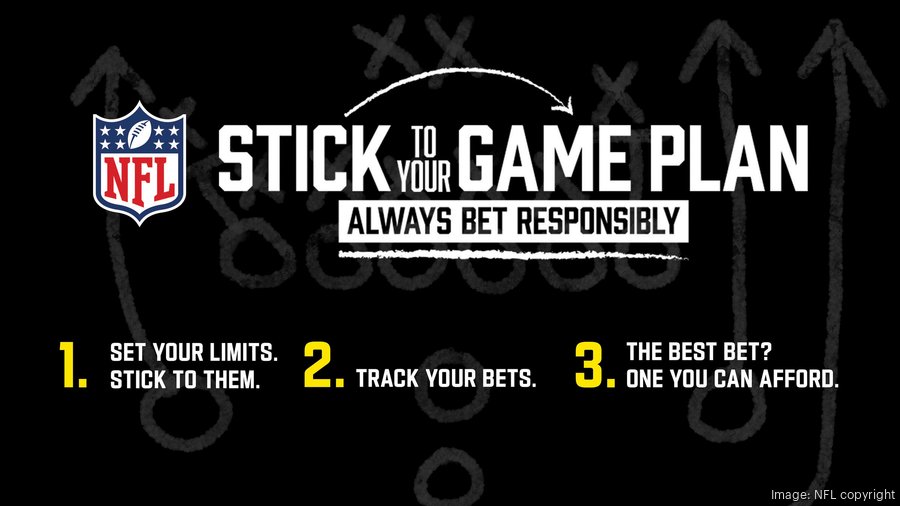
Use three limits at minimum. Set a deposit limit, a loss limit, and a time limit. Many regulated sportsbooks offer these tools inside account settings, though the names vary by platform.
- Deposit limit: Caps how much you can add over a set period.
- Loss limit: Stops you after a defined loss amount.
- Time limit: Keeps a game night from turning into hours of live betting.
- Cool-off period: Locks you out for a short stretch when you need distance.
- Self-exclusion: Blocks access for a longer period if betting is causing harm.
Here’s the thing: a limit you can change in the heat of the moment is weaker than it looks. If your sportsbook allows instant limit increases, set your number lower than your true maximum. Give yourself a cushion against impulse.
Why college basketball betting can feel riskier than it looks
College basketball is built for swings. Teams can go cold for six minutes, a key big man can pick up two early fouls, and a 19-year-old guard can look brilliant one night and lost the next. That variance is part of the sport.
It also creates traps. A bettor may see a favorite fall behind early and fire a second wager at a better live price. Then another. Then the game becomes a slot machine with jerseys.
What is the real cost if the bet loses?
If the answer includes panic, shame, hiding your phone, or needing to win it back tonight, step away. That is not strategy. That is stress wearing a sportsbook logo.
Warning signs that betting is no longer recreational
Most people who develop gambling problems do not start by making wild bets. They start by adjusting the rules. The budget becomes flexible. The stop time moves. A loss becomes a problem to solve instead of a result to accept.
Watch for these signs in yourself or someone close to you:
- Betting more than planned, even after setting limits.
- Hiding wagers, account balances, or losses from family.
- Using credit cards, loans, or bill money to bet.
- Feeling restless or irritable when trying to stop.
- Chasing losses after a bad beat or losing streak.
- Skipping work, school, sleep, or family time to follow bets.
The National Council on Problem Gambling describes gambling disorder as a health issue, not a character flaw. That framing matters. Shame keeps people stuck, while practical help gives them options.
What to do if a Houston vs Texas Tech bet feels too loaded
Pause before kickoff. You do not need to prove discipline by white-knuckling through the game with money at risk. You can watch without a wager, track your would-be pick on paper, or skip the matchup entirely.
If you already placed a bet and feel uneasy, do not add more. Mute betting notifications. Avoid live markets. Tell one trusted person that you are taking a break, even if the sentence feels awkward.
For immediate support in the United States, you can call or text 1-800-GAMBLER. That line connects people to local problem gambling resources. If you feel at risk of harming yourself, call or text 988 for crisis support.
A sharper way to use betting previews
Betting previews can still have value. Read them as information, not instruction. A good preview can point out matchup data, recent form, pace, injuries, or market movement you missed.
But I would push back on one habit I see often: treating every posted pick as a ticket to copy. The writer does not carry your risk. The sportsbook does not refund your regret. And social media will not pay your overdraft fee.
Use a simple rule. If a preview makes you feel rushed, pass. If it helps you think clearly and the bet fits your limit, you are closer to recreational betting.
The better bet may be no bet
Houston vs Texas Tech may be a terrific game, and the odds may offer an angle worth studying. Still, responsible sports betting means protecting your money, time, and headspace before protecting your opinion.
Before you place anything, set the number you can lose without damage. If that number is zero this week, trust it. The next sharp move might be closing the app and watching the game like a fan.
This article is for educational purposes only and should not be considered medical advice. Always consult a qualified healthcare provider before making decisions about addiction treatment. If you or someone you know is in crisis, call SAMHSA's National Helpline: 1-800-662-4357 (free, confidential, 24/7).