Residential Inpatient Rehab in Princeton Expands
Residential Inpatient Rehab in Princeton Expands If you or someone in your family has finished detox and still feels unsteady, the next step matters.…
Residential Inpatient Rehab in Princeton Expands
If you or someone in your family has finished detox and still feels unsteady, the next step matters. Residential inpatient rehab in Princeton is getting more attention because many people need more than a few days of medical stabilization before they can safely rebuild routines, address trauma, and plan for recovery at home. According to a press release published by the El Paso Times, Guardian Recovery’s Princeton Detox & Recovery Center has launched a new residential inpatient program. That move matters because detox alone rarely solves substance use disorder. It can clear the body, but it does not teach a person what to do on a bad Tuesday night when cravings hit, family stress spikes, or old contacts start calling.
What Stands Out
- The new program extends care beyond detox at Princeton Detox & Recovery Center.
- Residential treatment gives patients a structured setting after withdrawal symptoms ease.
- The model may help people who need more clinical support before returning home.
- Families should still ask clear questions about licensing, therapy, medications, and aftercare.
Why Residential Inpatient Rehab in Princeton Fills a Real Gap
Detox is medical care for withdrawal. Residential inpatient treatment is different because it gives people time, structure, therapy, and peer support while they are away from daily triggers. That gap can be the difference between a brief reset and a real treatment plan.
I have covered addiction treatment for years, and the weakest handoff is often the one after detox. A person may leave physically safer, yet emotionally raw and underprepared. What happens next?
That is where residential care can help. Patients live on site, follow a daily schedule, attend therapy, and work with clinicians on relapse prevention, mental health symptoms, family strain, and practical planning. It is more like moving from the emergency room to a recovery ward, not walking straight back into the storm.
Residential care is most useful when it is treated as a bridge, not a finish line. The best programs start planning for discharge early, because recovery still has to work in real life.
What the Guardian Recovery Launch Appears to Add
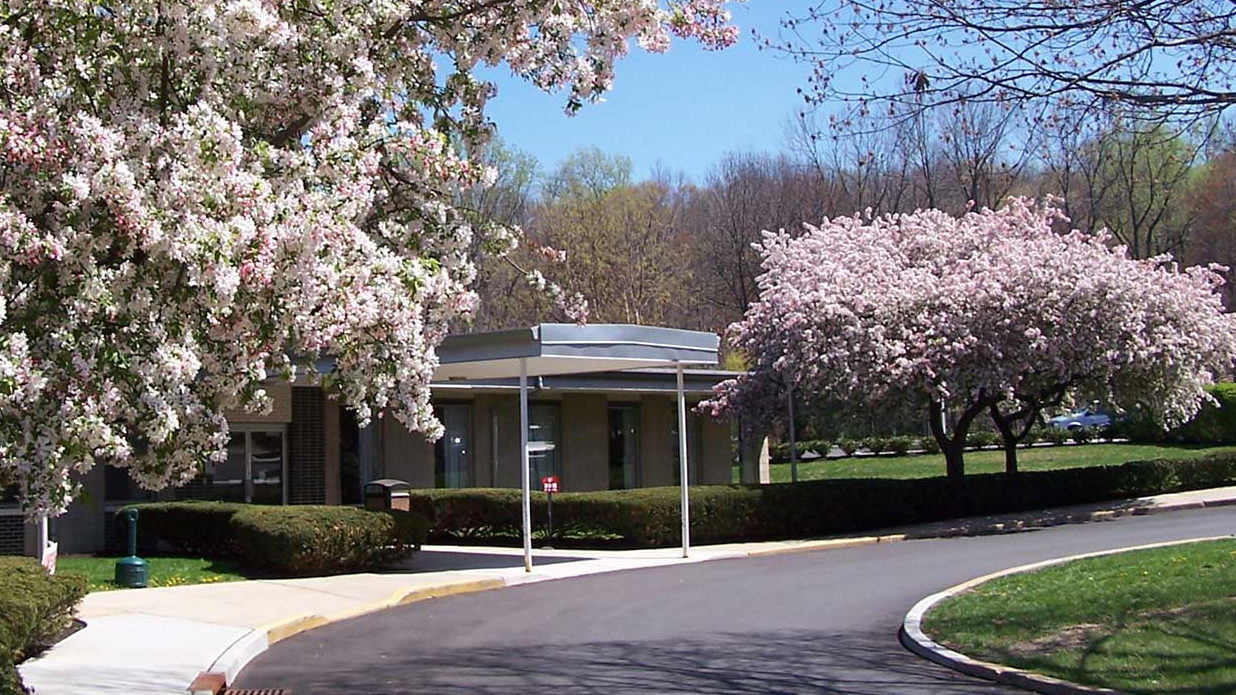
The press release says Guardian Recovery’s Princeton Detox & Recovery Center has launched a residential inpatient program at its New Jersey facility. The center was already known for detox services, so this expansion suggests a longer continuum of care under one provider.
That can be useful for patients who do not want to restart intake with a new facility after detox. Fewer handoffs can mean fewer dropped appointments, fewer repeated assessments, and less confusion for families trying to move fast during a tense moment.
Still, continuity is only valuable if the clinical work is solid. You should ask what therapies are offered, whether psychiatric care is available, how medications for opioid or alcohol use disorder are handled, and what happens after discharge (yes, the boring paperwork questions matter).
Residential Inpatient Rehab in Princeton: Who Might Benefit?
Residential treatment is not the right fit for every person. Some patients do well in outpatient care, especially when they have stable housing, strong family support, reliable transportation, and a lower medical risk.
But inpatient residential care may fit people who need more containment and daily support. Think of it like training camp in sports. You step away from the normal schedule, build core skills, and test new habits before game day arrives.
Detox is the door, not the house.
People who may need this level of care
- Someone who has relapsed soon after detox or outpatient treatment.
- A person living around active substance use or high conflict at home.
- Someone with co-occurring anxiety, depression, trauma, or sleep problems.
- A patient who needs a daily clinical schedule to regain basic stability.
- Someone who has tried to quit alone and keeps getting pulled back.
The American Society of Addiction Medicine uses levels of care to match patients with the right intensity of treatment. That idea matters because more care is not always better, but the wrong level of care can set people up to fail.
What Families Should Ask Before Admission
Families often call treatment centers in crisis, and crisis makes people agreeable. Do not be agreeable. Be polite, but ask pointed questions before you commit.
- Is the program licensed for residential treatment? Ask who regulates it and what level of care it provides.
- What happens after detox? Ask how patients move into residential programming and whether they keep the same care team.
- Are medications available? For opioid use disorder, ask about buprenorphine, methadone referrals, or naltrexone. For alcohol use disorder, ask about FDA-approved options such as naltrexone, acamprosate, or disulfiram.
- How much individual therapy is included? Group therapy can help, but some issues need one-on-one time.
- How is family involved? Family education can reduce panic, blame, and mixed messages at home.
- What is the aftercare plan? Ask about outpatient referrals, alumni support, sober housing connections, and follow-up appointments.
Here is the thing. A polished website and a calm intake voice do not prove quality. A good provider should be able to explain its clinical model without dodging basic questions.
How This Fits the Larger Treatment Picture
SAMHSA has long described substance use disorder as a treatable health condition, often requiring ongoing care rather than a single episode of treatment. That framing is not soft. It is practical because relapse risk often rises when structure disappears too fast.
Residential programs can reduce that sudden drop-off. They give patients time to practice recovery skills while clinicians watch for warning signs, adjust care plans, and connect them with the next step. But treatment quality varies, and families should treat selection like hiring a builder for a house foundation.
A strong program should include medical oversight, evidence-informed therapy, medication access when appropriate, discharge planning, and attention to mental health. If any of those pieces are vague, keep asking.
The Practical Next Step
The launch of residential inpatient rehab in Princeton by Guardian Recovery’s Princeton Detox & Recovery Center is a meaningful addition for people who need more than detox. It gives local families another option at a moment when speed, safety, and continuity can shape the next few months.
Do your homework before choosing any program. Call, ask hard questions, write down the answers, and compare them with guidance from a trusted physician, therapist, or local addiction professional. The right question now may save you from the wrong placement later.
This article is for educational purposes only and should not be considered medical advice. Always consult a qualified healthcare provider before making decisions about addiction treatment. If you or someone you know is in crisis, call SAMHSA's National Helpline: 1-800-662-4357 (free, confidential, 24/7).