Recovery Resource Roadshow Brings Help Closer to Home
Recovery Resource Roadshow Brings Help Closer to Home If you are looking for help with addiction, the hardest part is often not the first call. It is figuring…
Recovery Resource Roadshow Brings Help Closer to Home
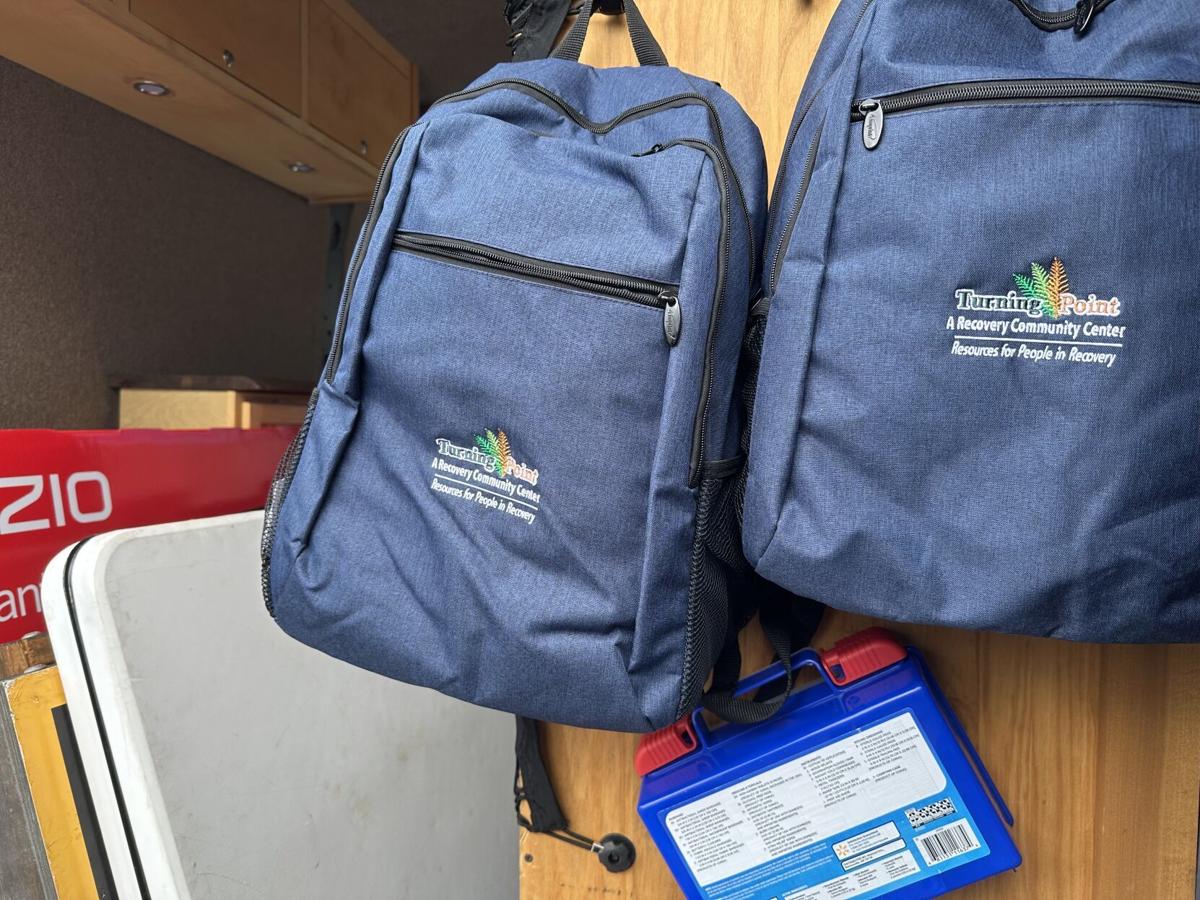
If you are looking for help with addiction, the hardest part is often not the first call. It is figuring out where to start, who to trust, and which services actually exist near you. That is why the recovery resource roadshow matters. Turning Point Recovery’s first event is built to put real options in front of people who need them now, without making them hunt through a dozen websites or voicemail boxes.
That approach matters because recovery is rarely a one-step fix. People need treatment options, peer support, housing help, and practical guidance all at once. And when those pieces are scattered, many people fall through the cracks before they ever get a fair shot.
What the recovery resource roadshow is trying to solve
- Access gaps: People often know they need help, but do not know where to find it.
- Service confusion: Treatment, recovery support, and family help are often separated.
- Delays: Waiting days or weeks for the right referral can slow momentum.
- Stigma: A local event can feel less intimidating than a formal intake process.
Look, this is the kind of public-facing event that can do real work if it stays practical. It gives people a chance to ask questions face to face, and it gives providers a chance to explain what they actually offer. That sounds basic. It is basic. And basic is what many recovery systems still fail to deliver.
“If people have to decode the system before they can get care, the system is already too hard to use.”
Why the recovery resource roadshow could matter locally
A roadshow works a lot like a well-run farmers market. You do not need to know the whole supply chain to leave with what you need. You just need the right vendors in one place, at one time, with clear answers.
The same logic applies here. A community event can connect people to treatment providers, recovery coaches, mutual aid groups, and family support services faster than a cold search on the internet. That matters most for people in crisis, when time and clarity are both thin.
Who may benefit most
- People seeking treatment for substance use disorders.
- Families trying to support a loved one.
- People in early recovery who need ongoing structure.
- Anyone looking for local referrals and practical next steps.
The real test is follow-through. A good event does more than hand out flyers. It helps people move from interest to action, and that means giving them names, phone numbers, and a clear path for what comes next.
What to look for at a recovery event
If you attend a recovery resource event, do not leave without asking direct questions. What services are offered? Is there immediate intake? Are there peer support options? Does the organization help with transportation, housing, or family counseling?
Those details matter because recovery is not just about stopping use. It is about building a life that can hold up under stress. Without follow-up, even a promising start can wobble. And nobody needs more dead ends.
Good questions to ask
- What level of care do you provide?
- Do you help with referrals if you are not the right fit?
- Is there support for family members?
- How quickly can someone be seen?
Honestly, that last question can tell you a lot. If a program cannot explain its intake process in plain language, that is a red flag. A strong recovery network should feel clear, not cryptic.
Why local recovery outreach still works
Digital tools help, but they do not replace human contact. People in addiction recovery often need trust before they need paperwork. That is one reason community events keep showing up in strong recovery strategies across the country.
Turning Point Recovery’s roadshow is part outreach, part orientation, and part bridge. It can help people find a service they did not know existed. It can also help providers spot gaps in the local system. What is missing? What is underused? What do families keep asking for?
Those are not small questions. They shape whether help stays out of reach or becomes something people can actually use.
A practical next step
If you or someone close to you needs help, use the roadshow as a starting point, not a stopping point. Bring questions. Bring a notebook. Bring a family member if that helps. Then leave with at least one direct contact and one clear action.
That is how recovery becomes more than an idea. The real question is whether local systems will keep making help easier to find, or keep forcing people to hunt for it alone.
This article is for educational purposes only and should not be considered medical advice. Always consult a qualified healthcare provider before making decisions about addiction treatment. If you or someone you know is in crisis, call SAMHSA's National Helpline: 1-800-662-4357 (free, confidential, 24/7).