Recovery Is Here Event at Gadsden State
Recovery Is Here Event at Gadsden State If you or someone close to you is trying to get help for substance use, the hardest step can be figuring out where to…
Recovery Is Here Event at Gadsden State
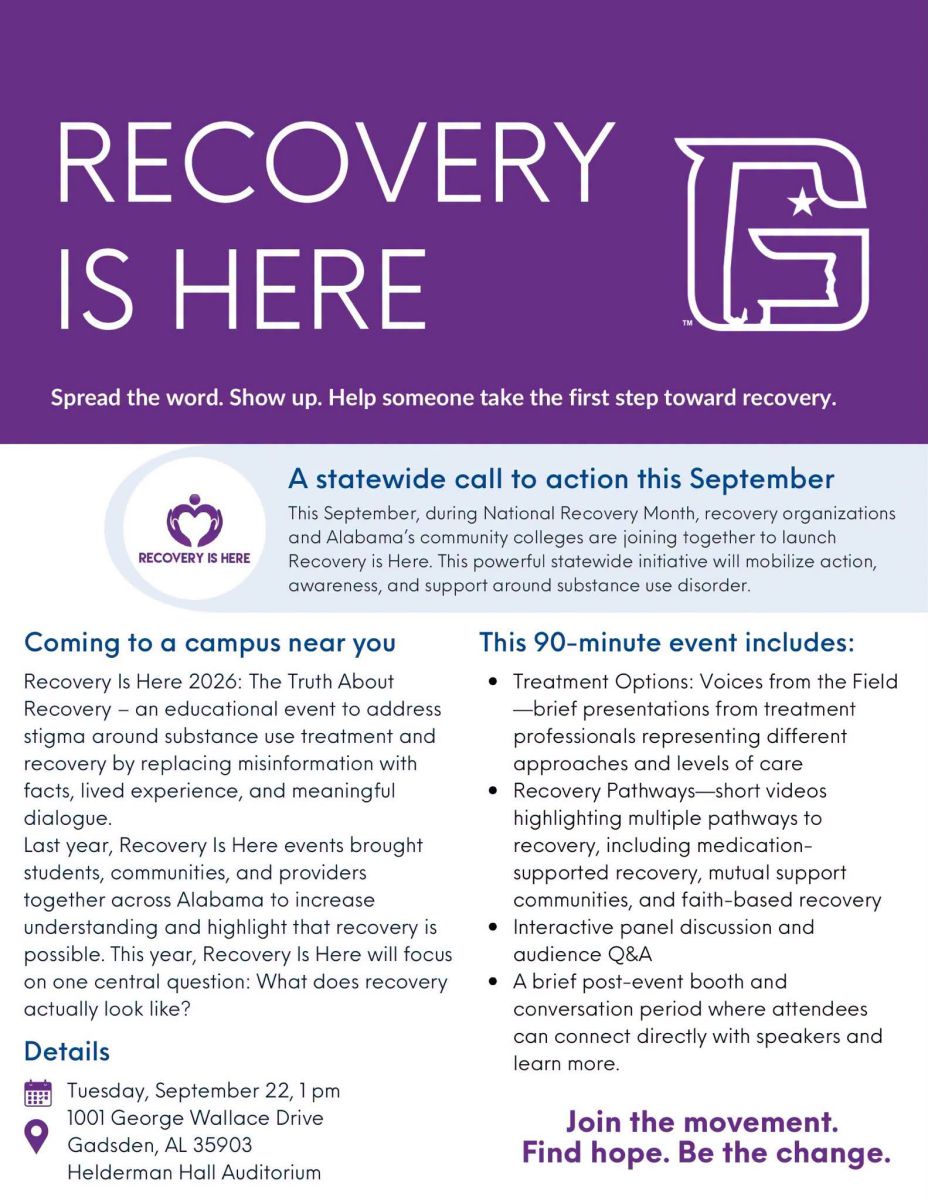
If you or someone close to you is trying to get help for substance use, the hardest step can be figuring out where to begin. The Recovery is Here event at Gadsden State on Sept. 22 matters because it puts recovery support in a public, local setting instead of behind a maze of phone calls and closed doors. According to Gadsden State Community College, the event is scheduled for Sept. 22 and is designed to bring attention to recovery resources and community support. That timing matters. September is widely recognized as National Recovery Month, and local events can turn awareness into action for students, parents, workers, and neighbors. What should you expect, and how can you make the visit count? Start with a clear goal, bring your questions, and treat the event as a doorway into longer-term support.
Why this event deserves your attention
- It is local. You can meet people connected to the Gadsden-area recovery network.
- It lowers the barrier to asking for help. A public event can feel less intimidating than a clinic visit.
- It gives families a starting point. Loved ones often need guidance as much as the person in active use.
- It supports students. Campus-based recovery conversations can reduce silence and shame.
What the Recovery is Here event is really for
The title says a lot. Recovery is not a distant idea, and it is not limited to people who already know the treatment system. The Recovery is Here event signals that help can exist close to home, on a campus people already know.
As a reporter who has covered addiction, public health, and community colleges for years, I have learned to be wary of feel-good events that end with a flyer and a handshake. The useful ones do more. They connect people to names, phone numbers, next steps, and follow-up support.
Recovery events work best when they move people from awareness to contact. A person should leave knowing who to call tomorrow morning.
That is the real test here.
Who should attend the Recovery is Here event?
You do not need to have the right words before you show up. If addiction has touched your life, directly or through someone you love, you have a reason to be there.
The event may be especially useful for:
- Students who are worried about their own substance use.
- Parents who see changes in mood, grades, sleep, or behavior.
- People in early recovery who need peer support and local contacts.
- Friends who want to help without making things worse.
- Faculty, staff, and employers who want better referral options.
Look, recovery support is a bit like building a house. Treatment may be the frame, but housing, transportation, mental health care, family support, and peer connection are the plumbing and wiring. Miss one, and the whole structure can wobble.
How to prepare before you go
A few minutes of planning can make the visit more useful. You do not need a script. You do need honest questions.
Write down what you need
Before the event, make a short list. Are you looking for detox information, outpatient treatment, counseling, peer groups, medication-assisted treatment, family education, or help for a student? Put the most urgent need at the top.
Ask direct questions
Vague answers waste time. Ask practical questions such as:
- Who can I call after the event?
- Do you help with treatment placement?
- What options exist for people without insurance?
- Is there support for families?
- Are there recovery meetings near campus or in Gadsden?
- What should I do if someone needs help today?
Bring someone you trust
If you feel nervous, bring a friend, sibling, parent, mentor, or sponsor. Addiction thrives in isolation. A second person can help you remember names, details, and phone numbers (especially if the conversation gets emotional).
Why campus recovery support matters
Community colleges sit at an underrated crossroads. They serve recent high school graduates, working adults, veterans, parents, and people rebuilding their lives. That mix makes Gadsden State a practical place for a recovery event.
Students may be balancing school, work, money stress, trauma, mental health symptoms, and family pressure. Substance use can hide inside that strain for a long time. And because many students commute, they may not have the same built-in support that residential campuses offer.
What happens when a student wants help but does not know where to go? Too often, they wait. A campus event can shorten that delay by putting recovery language, local contacts, and human faces in the same room.
What families should listen for
Families often arrive with fear, anger, and a long list of past disappointments. That is human. Still, the best question is not, “How do I make this person stop?” The better question is, “What support can we put around this person so change becomes more likely?”
At the event, listen for providers or advocates who speak plainly about safety, treatment levels, relapse risk, and family boundaries. Be cautious with anyone promising fast fixes. Recovery is possible, but it usually requires steady support, honest assessment, and care that matches the person’s needs.
Useful family questions include:
- What signs mean we should seek urgent help?
- How do we support recovery without covering up consequences?
- Are family counseling or education groups available?
- How can we respond after a relapse?
- What local resources exist for mental health and substance use together?
The bigger recovery message in Gadsden
Events like this can shift public tone. Addiction is often discussed only after an arrest, overdose, job loss, or family crisis. Recovery events change the angle. They put the focus on help, connection, and people who are still here.
That matters in smaller communities, where privacy concerns can keep people silent. A public recovery event says that support is not something to whisper about. It belongs in the open, including on a college campus.
Honestly, that visibility is one of the strongest parts of the Gadsden State announcement. It treats recovery as a community issue, not a private failure.
How to use the Recovery is Here event after Sept. 22
The event itself is only one day. The follow-up is where change starts to harden into a plan.
After attending, take these steps within 48 hours:
- Save every contact in your phone.
- Call at least one resource you spoke with.
- Share useful information with one trusted person.
- Schedule an appointment, meeting, or assessment if needed.
- Remove one barrier, such as transportation, childcare, or paperwork.
Small steps count. A call. A meeting. A ride arranged for next Tuesday. Recovery often turns on plain logistics more than big speeches.
What to do next
If you are near Gadsden State, put Sept. 22 on your calendar and check the college’s official announcement for event details before you go. Bring your questions, bring someone steady if you can, and leave with at least one next step. The real measure of the Recovery is Here event will be what happens after people walk out the door.
This article is for educational purposes only and should not be considered medical advice. Always consult a qualified healthcare provider before making decisions about addiction treatment. If you or someone you know is in crisis, call SAMHSA's National Helpline: 1-800-662-4357 (free, confidential, 24/7).