Recovery Center Safety: What the Ladoga Calls Show
Recovery Center Safety: What the Ladoga Calls Show You want treatment to be safe before you trust a facility with your life, your child, or your partner. That…
Recovery Center Safety: What the Ladoga Calls Show
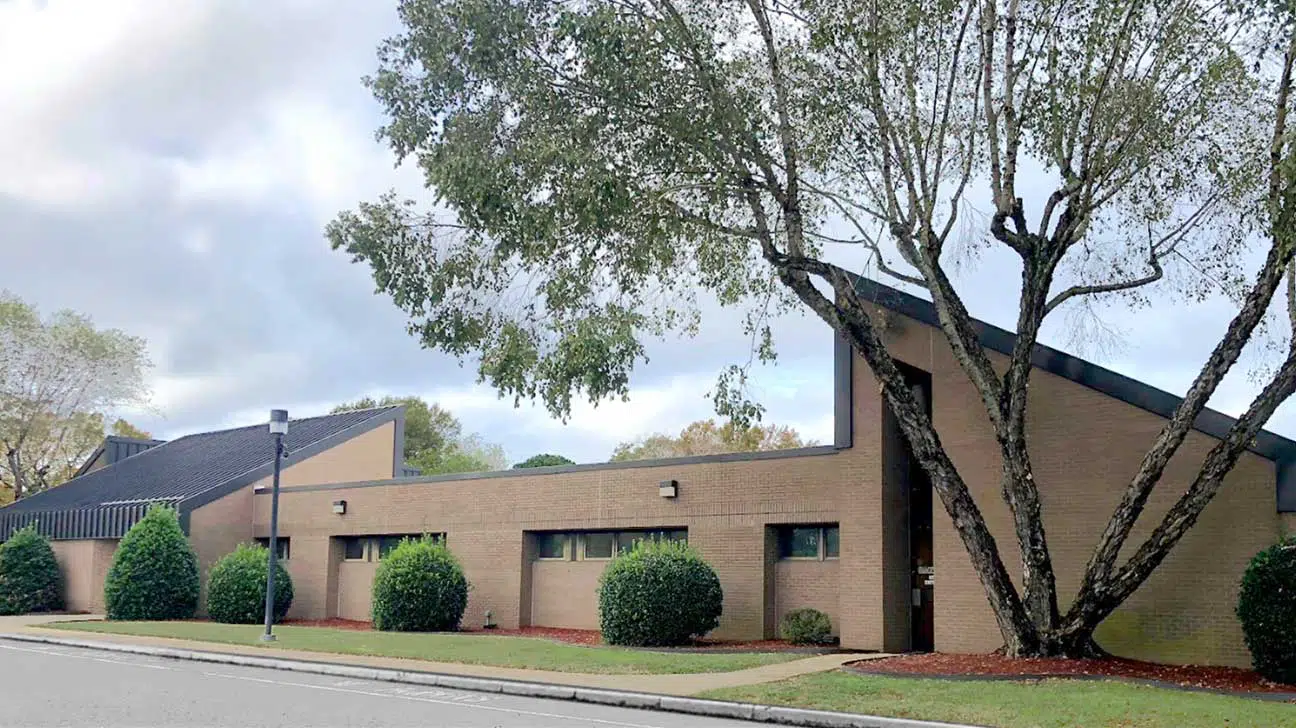
You want treatment to be safe before you trust a facility with your life, your child, or your partner. That is why the recent WTHR report from Montgomery County, Indiana, matters. The story centers on recovery center safety after the county sheriff raised concerns about the number of calls tied to a drug and alcohol recovery center in Ladoga. A high call volume does not prove bad care by itself. Treatment centers often serve people in crisis, and crisis brings police, EMS, and medical calls. But repeated emergency response also raises fair questions about staffing, screening, supervision, and community communication. If you are choosing care, this is where you need to look past brochures and ask harder questions.
What stands out
- WTHR reported that the Montgomery County sheriff is concerned about the number of calls involving a Ladoga recovery facility.
- Emergency calls can reflect real patient needs, but patterns should be reviewed by regulators, operators, and local officials.
- Families should ask direct questions about medical coverage, security, relapse response, and transfer protocols before admission.
- Good treatment requires more than warm language. It needs trained staff, clear rules, and fast access to medical care.
Why recovery center safety deserves more scrutiny
Recovery housing and treatment programs sit at a tough intersection. They serve people who may be withdrawing from alcohol, opioids, benzodiazepines, methamphetamine, or several substances at once. They also serve people with depression, trauma, psychosis, or suicidal thoughts. That mix can turn unstable quickly, even in a well-run program.
But here is the thing. A treatment center cannot wave away community concerns by saying, “This population is hard.” Yes, it is hard. That is the job. If a facility accepts high-risk patients, it must have staffing, clinical protocols, transport plans, and escalation steps that match that risk.
High call volume should trigger review, not panic. The right question is not whether calls happen, but whether the facility is prepared for the problems it has agreed to treat.
Think of it like a restaurant kitchen during a dinner rush. Spills, burns, and mistakes happen. But if ambulances show up every weekend, you would not blame dinner rush alone. You would ask about training, equipment, management, and whether the kitchen is taking on more than it can handle.
Recovery center safety in Ladoga: what the WTHR report tells us
According to WTHR, the Montgomery County sheriff voiced concern about the number of calls connected to a drug and alcohol recovery center in Ladoga. The report puts a local spotlight on a larger issue that many towns face as treatment access expands. Communities need treatment beds, but they also need accountability from the facilities that operate them.
That tension is real. Rural and small-town areas often have fewer nearby hospitals, fewer mental health crisis teams, and fewer specialty addiction services. When a recovery facility opens in that setting, local law enforcement and EMS can become the backstop for everything from medical distress to behavioral health emergencies.
Call volume is a warning light, not a verdict.
Still, warning lights exist for a reason. If the same address keeps appearing in dispatch records, officials should look for patterns. Are calls clustered at night? Are they tied to overdoses, elopement, assaults, medical detox, or welfare checks? Are staff calling early and appropriately, or are they calling because they lack on-site capability?
What families should ask before choosing a recovery center
You do not need to become a regulator to make a safer choice. You do need to ask blunt questions, then listen for specific answers. If a program answers every concern with soft promises, keep pushing.
- What level of care do you provide? Ask whether the facility offers medical detox, residential treatment, outpatient care, recovery housing, or a mix. These are not the same services.
- Who is on site overnight? A night monitor is different from a nurse. A nurse is different from a physician. Titles matter.
- How do you handle withdrawal? Alcohol and benzodiazepine withdrawal can be dangerous. Opioid withdrawal may not usually be fatal, but it can lead to dehydration, relapse, or overdose after leaving care.
- What happens after a relapse? A serious center has a written plan. That may include medical evaluation, medication changes, higher-level care, or family contact when allowed.
- How often do police or EMS respond here? The number alone is not enough. Ask what types of calls occur and what changes the center has made in response.
- Are you licensed or accredited? Ask for the exact license, the state agency that oversees it, and whether any recent corrective actions exist.
Would you send someone you love to a place that cannot clearly explain what happens during a medical or psychiatric crisis? I would not. And after covering addiction treatment for years, I have learned that evasive answers are often more revealing than bad numbers.
How local officials can assess recovery center safety without blocking treatment
Communities often swing between two bad instincts. One side treats every recovery facility as a threat. The other side treats every concern as stigma. Neither approach helps patients, neighbors, or first responders.
A better path is boring, which is usually a good sign in public safety work. Local leaders can request regular data meetings with facility operators, EMS, law enforcement, public health officials, and state regulators. The goal should be trend review, not public shaming.
Useful questions for a community review
- How many calls occurred during the past 30, 90, and 180 days?
- What percentage involved medical issues, behavioral health crises, suspected overdose, violence, missing clients, or transport needs?
- How many calls led to hospital transfer, arrest, or no action?
- Did staffing levels match census levels during high-call periods?
- Has the facility changed admissions criteria, training, supervision, or medication policy since the calls increased?
State oversight also matters. Addiction treatment and recovery housing can fall under different rules depending on the services offered. A residential program with clinical care should face different requirements than peer-run sober living. If a facility blurs those lines, regulators need to sort it out fast.
What good treatment operators do differently
Strong recovery programs do not hide from hard questions. They track incidents, review them, and change procedures when the data says something is wrong. They also maintain working relationships with hospitals, courts, probation officers, mobile crisis teams, and families when consent allows it.
Good operators also avoid taking every person who calls. That may sound harsh, but it protects patients. A center without medical detox capacity should not accept someone at high risk of severe alcohol withdrawal unless transfer is already arranged. A recovery residence without clinical staff should not market itself like a hospital-based treatment unit.
Medication access is another test. Evidence-based care for opioid use disorder includes buprenorphine, methadone, and extended-release naltrexone, according to the National Institute on Drug Abuse and other federal health agencies. A facility does not have to provide every option on site, but it should not shame patients for needing medication. That attitude can push people toward relapse and overdose.
Recovery center safety is also a trust issue
Facilities often ask communities to trust them because their mission is noble. I do not buy that as enough. A noble mission still needs clean documentation, trained staff, honest incident reporting, and a willingness to answer the phone when the sheriff, a parent, or a reporter asks what is going on.
At the same time, communities should not treat people in recovery as the problem. The problem is unsafe care, weak oversight, or a mismatch between patient needs and facility capacity. People seeking help deserve better than being used as props in a local fight.
The Ladoga story should push families and officials toward the same standard. Ask for facts. Review patterns. Demand fixes where they are needed. And if a treatment provider cannot explain how it keeps people safe, choose another door before a crisis chooses for you.
This article is for educational purposes only and should not be considered medical advice. Always consult a qualified healthcare provider before making decisions about addiction treatment. If you or someone you know is in crisis, call SAMHSA's National Helpline: 1-800-662-4357 (free, confidential, 24/7).