Recover Out Loud Spencer WV: Recovery Resources and Music
Recover Out Loud Spencer WV: Recovery Resources and Music If you or someone you love is trying to find help for substance use, the hardest part can be walking…
Recover Out Loud Spencer WV: Recovery Resources and Music
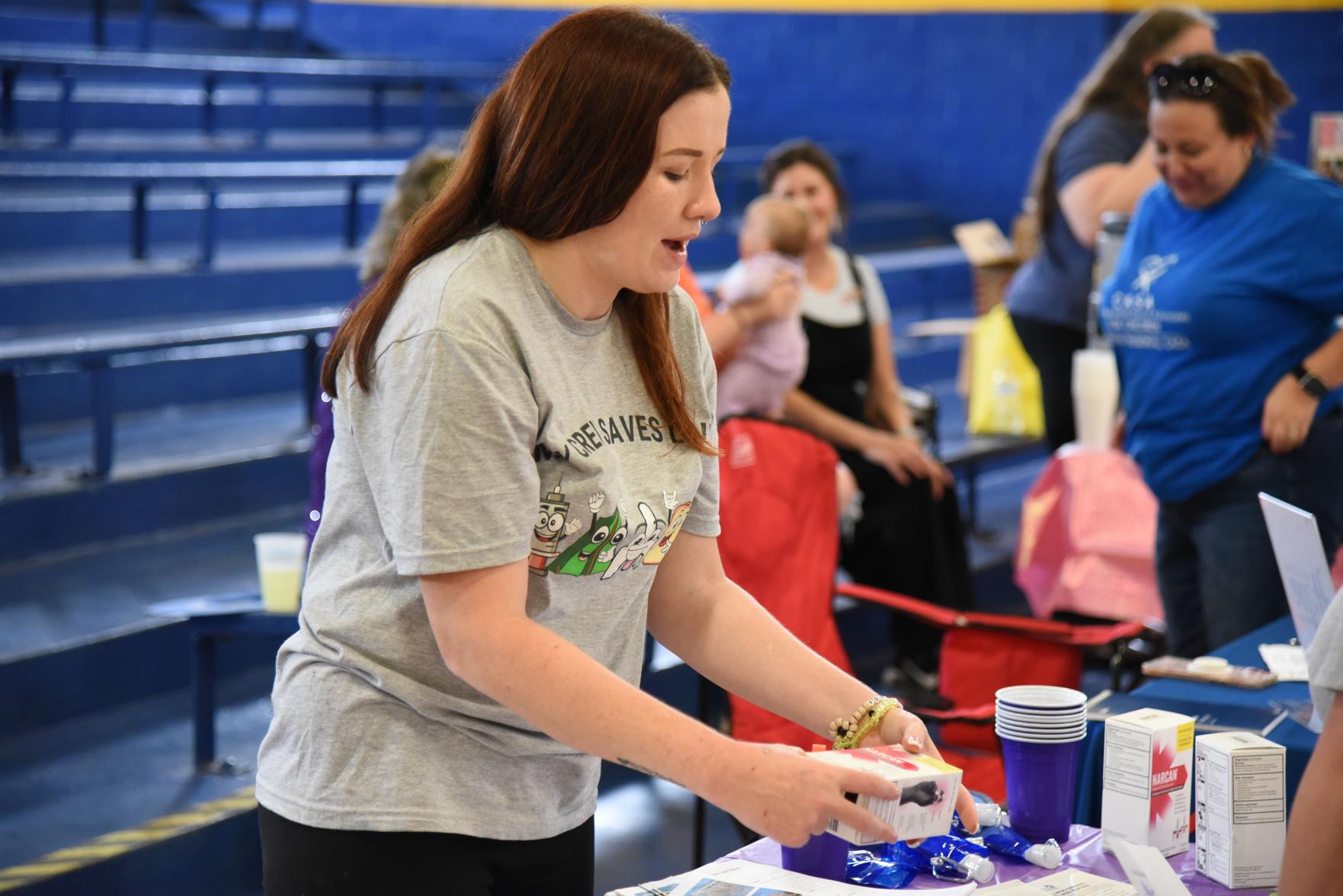
If you or someone you love is trying to find help for substance use, the hardest part can be walking into the first room. The Recover Out Loud Spencer WV event matters because it puts recovery resources in a public, welcoming space instead of behind a maze of phone numbers, forms, and stigma. According to a Spencer News report on WV News, the event is expected to bring recovery resources and music to Spencer. That mix is not cosmetic. It can make support feel less like an appointment and more like a community showing up. For rural towns, where treatment options may be limited and privacy concerns run high, that matters. You should not need insider knowledge to find a peer group, a treatment referral, naloxone education, or someone who can explain the next step in plain English.
What Stands Out
- Local access is the point. Events like this can connect people with nearby recovery support instead of sending them on a long search.
- Music can lower the pressure. A community setting may feel less intimidating than a clinic lobby.
- Families need help too. Loved ones often need guidance on boundaries, safety planning, and what recovery actually looks like.
- Public recovery fights stigma. Visibility tells people they are not alone, and that help is normal to ask for.
Why Recover Out Loud Spencer WV Is More Than an Event
Recovery gatherings can look simple from the outside. A few tables, some speakers, live music, maybe a crowd that ebbs and flows through the day. But I have covered addiction and public health long enough to know the quiet value of these rooms.
Someone may come for the music and leave with a phone number. A parent may ask one careful question at a resource table and finally hear a straight answer. A person in early recovery may meet someone with five years sober and think, maybe I can do that too.
Recovery events work best when they make help feel close, ordinary, and worth asking for.
The phrase “recover out loud” carries a clear message. It asks people to stop treating recovery like a secret. That is not easy in a small town, where everyone knows your truck, your family, and sometimes your mistakes. Still, silence has a cost. It keeps people isolated, and isolation is dangerous.
What Recovery Resources Should You Look For?
If you attend the Recover Out Loud Spencer WV event, go in with a simple plan. You do not need to tell your whole story to every table. You can ask direct questions and collect what you need.
Here are the resources worth looking for first:
- Peer recovery support. Ask if trained peer recovery coaches are available locally. Peers can help with meetings, appointments, transportation questions, and staying connected after a rough week.
- Treatment referrals. Look for clear information about detox, outpatient care, residential treatment, medication treatment, and counseling. Ask about wait times and insurance.
- Medication for opioid use disorder. Buprenorphine, methadone, and naltrexone are evidence-based options. The National Institute on Drug Abuse and SAMHSA both recognize medication treatment as a standard part of care for opioid use disorder.
- Naloxone access. Naloxone can reverse an opioid overdose. Ask where to get it, how to use it, and whether training is offered.
- Family support. Families need education, not blame. Ask about groups, counseling, crisis contacts, and how to support recovery without enabling harm.
- Mental health care. Anxiety, trauma, depression, and grief often travel with substance use. A solid recovery plan should make room for mental health treatment.
Look, a flyer is useful, but a real name is better. If someone gives you a resource, ask who to call and what to say when you call. That tiny detail can keep a person from giving up after the first voicemail.
How Music Helps Without Pretending to Be Treatment
Music is not treatment. Let’s be clear about that. It will not replace counseling, medication, peer support, or safe housing.
Music lowers the temperature in a room that can otherwise feel clinical.
That matters because shame makes people leave before they ask for help. A song, a crowd, and a casual conversation can soften the edges. Think of it like a good community meal. The food is not the whole solution, but it gets people to the table.
Honestly, recovery events that feel too sterile can miss the people who need them most. A public event with music says, “You can come as you are.” That invitation has weight, especially for someone who has been judged before.
Recover Out Loud Spencer WV and the Rural Access Problem
Spencer and surrounding communities face the same barrier many rural areas face. Help may exist, but it can be scattered. One office handles counseling, another handles medication, another handles housing, and a person in crisis is expected to connect the dots while exhausted.
That is bad design. In health care, the person with the least bandwidth often gets the hardest maze. Recovery events can act like a temporary front door, where services and volunteers gather in one place.
What should you ask if you are worried about privacy? Start with the basics. Ask whether conversations are confidential, whether you can take information for “a friend,” and whether follow-up can happen by phone. You do not owe anyone a public confession to receive help.
Questions to Ask at a Resource Table
- What services are available in Roane County or nearby counties?
- Do I need insurance, and what happens if I do not have it?
- Can someone help me make the first appointment?
- Is there a peer recovery coach I can talk to this week?
- Where can I get naloxone?
- Are there support options for parents, spouses, or grandparents?
- What should I do if someone is ready for help tonight?
Bring a notebook or use your phone. Names, hours, and direct numbers beat vague promises. And if a table cannot answer, ask who can.
For Families: Show Up Without Taking Over
Families often arrive with fear, anger, and a long list of questions. That is normal. Addiction can drain trust and turn daily life into crisis management.
Still, your role at an event like this is not to force someone into recovery on the spot. You can gather information, learn how overdose response works, and ask about support for yourself. You can also listen. People in recovery often know which kinds of help feel respectful and which kinds feel controlling.
One practical move: ask for a written safety plan. That may include emergency numbers, naloxone locations, signs of overdose, local crisis contacts, and steps to take if your loved one asks for treatment. A plan made during a calm afternoon works better than panic at midnight.
The Stigma Piece Nobody Should Ignore
Public recovery events can make some people uncomfortable. Good. Discomfort is not always a bad sign. Sometimes it means a town is being asked to look at a problem it would rather keep quiet.
Substance use disorder is a medical condition with behavioral, social, and health factors. Recovery is also practical. People need transportation, jobs, housing, child care, health care, and community ties. If any one of those pieces falls apart, the whole structure can shake.
This is where local events earn their keep. They give neighbors a chance to move past slogans and into useful action. Can you volunteer? Can your church host a meeting? Can your business hire someone in recovery? Can you carry naloxone?
What to Do After Recover Out Loud Spencer WV
The day after an event is where momentum often fades. Do not let that happen. If you picked up three numbers, call one. If you met a peer coach, send a text. If you learned about naloxone, get it and tell someone else where they can find it.
If you are supporting someone else, avoid turning every conversation into an interrogation. Try a cleaner approach: “I found a few local options. Do you want me to sit with you while you call?” That keeps the door open without cornering the person.
For community leaders, the next step is follow-through. Track what people asked for most. Was it housing? Detox access? Family groups? Transportation? The event should not be the finish line. It should be the scouting report.
Where This Should Go Next
Recover Out Loud in Spencer has the right idea if it makes recovery visible, local, and easier to enter. The test comes after the music stops, when people try the phone numbers, attend the meetings, and look for steady support. If the community keeps those doors open, this can be more than a single date on the calendar. What would it look like if asking for help in Spencer felt as ordinary as asking a neighbor for directions?
This article is for educational purposes only and should not be considered medical advice. Always consult a qualified healthcare provider before making decisions about addiction treatment. If you or someone you know is in crisis, call SAMHSA's National Helpline: 1-800-662-4357 (free, confidential, 24/7).