Purpose Healing Center Grand Opening and Addiction Treatment Options
Purpose Healing Center Grand Opening and Addiction Treatment Options If you are looking for addiction treatment, the hardest part is often not the first call.…
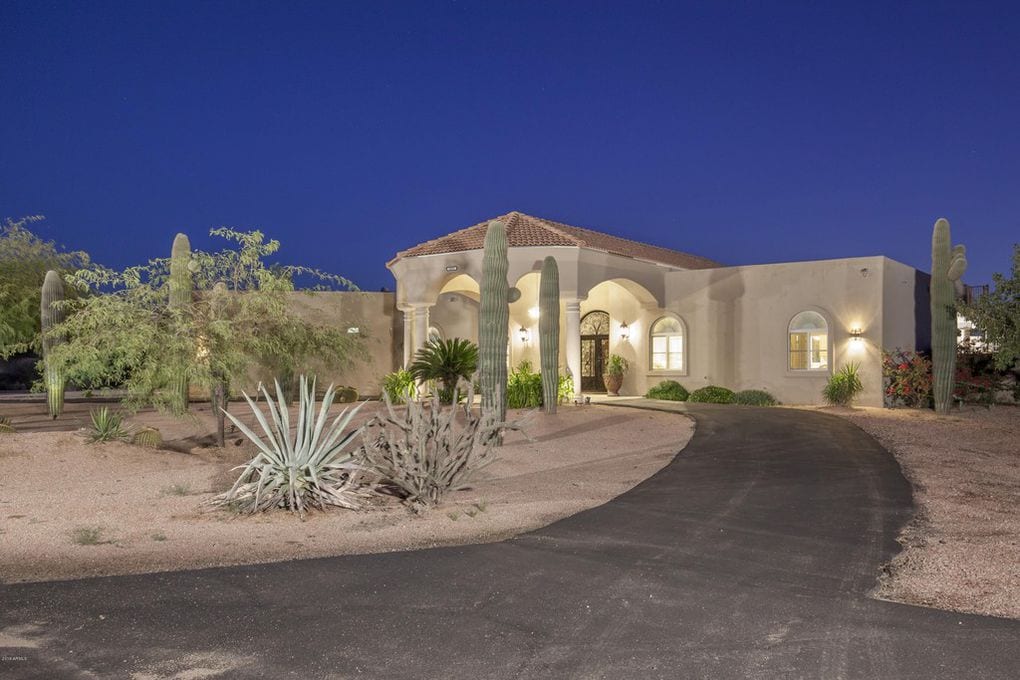
Purpose Healing Center Grand Opening and Addiction Treatment Options
If you are looking for addiction treatment, the hardest part is often not the first call. It is figuring out which center actually fits your needs. Purpose Healing Center has entered that crowded field with a grand opening story that points to a bigger question for anyone seeking care now: what should you expect from a modern treatment program, and what should make you walk away?
The answer matters because treatment is not one size fits all. Some people need medical detox. Some need residential care. Others need outpatient support that can fit around work or family. Purpose Healing Center sits inside that larger conversation about access, structure, and follow-through. And if you are comparing options, the details matter more than the brochure copy. What services are offered? Who runs them? How do they connect detox, therapy, and aftercare?
What stands out from the Purpose Healing Center announcement
- It signals continued demand for local addiction treatment services.
- It puts attention on the full care path, from intake to aftercare.
- It reminds you to ask about clinical staff, licensing, and levels of care.
- It shows why location and timing can shape whether someone enters treatment at all.
Why a new treatment center matters now
Openings like this are not just real estate news. They reflect pressure on the addiction care system, where families often run into waitlists, insurance confusion, and uneven quality. The National Institute on Drug Abuse has long emphasized that treatment works best when it matches the severity of use and the person’s medical and social needs.
That sounds obvious. It is not how the market always behaves.
Many centers advertise with the same language. They all say they help people heal. But the real difference shows up in what happens after intake. Do they screen for co-occurring mental health conditions? Do they offer medication-assisted treatment for opioid use disorder when appropriate? Do they build a discharge plan that someone can actually follow?
“Good treatment is specific. It starts with the person, not the pitch.”
Purpose Healing Center and addiction treatment basics
If you are using the Purpose Healing Center announcement as a starting point, keep your focus on the core treatment questions. A center can have a polished opening and still fail to meet the daily needs that matter most.
Ask what level of care they provide
Some programs only offer outpatient counseling. Others provide residential care, partial hospitalization, or intensive outpatient treatment. Think of it like choosing a restaurant kitchen. A place that only serves salads cannot handle every order. Treatment works the same way. You need the right menu for the problem in front of you.
- Medical detox for withdrawal management when needed.
- Residential treatment for people who need structure and 24-hour support.
- PHP or IOP for people who can live at home but need frequent care.
- Aftercare for relapse prevention and long-term support.
Check for dual diagnosis care
Many people who need addiction treatment also live with anxiety, depression, PTSD, or another mental health condition. If a center ignores that, it may miss part of the problem. Ask whether psychiatric assessment is built into the program or added later (if at all).
How to judge a center before you commit
You do not need a perfect medical background to ask strong questions. You need a clear list and a little backbone.
- Licensing: Is the facility licensed in your state?
- Staffing: Are therapists, medical providers, and case managers credentialed?
- Evidence-based care: Do they offer therapies such as CBT, DBT, or medication support where appropriate?
- Family involvement: Do they include loved ones in education or planning?
- Continuity: What happens after discharge?
Ask how they handle relapse. Ask what happens if someone leaves early. Ask whether they coordinate with primary care or psychiatry. Those are practical questions, and they expose whether a center is built for real life or just for marketing.
What the broader treatment market keeps getting wrong
Too many programs still sell hope before they prove structure. That is backwards. A center should earn trust by showing you how care is delivered, how progress is measured, and how the next step is planned.
Here is the thing. A clean lobby and a warm intake specialist are nice, but they do not treat substance use disorder. Clinical follow-through does. So does a plan for housing, work, family stress, and transportation after the first weeks of care end. Without that, treatment can feel like building a house on sand.
Do you want a place that sounds good, or a place that can hold up when the crisis gets ugly?
What to do next if you are comparing options
Start with your actual needs, not the center’s headline. If someone needs detox, ask about medical supervision. If they need trauma care, ask who provides it. If they need medication for opioid use disorder or alcohol use disorder, ask whether the program supports it. Then compare that against cost, insurance, and location.
Purpose Healing Center’s opening is one more sign that the treatment field keeps expanding. That is useful. But expansion only helps if the care is sound, specific, and easy to access when life is already on fire.
Next step: before you call any center, write down the three biggest problems you need solved. Then see whether their program answers them without hand-waving.
This article is for educational purposes only and should not be considered medical advice. Always consult a qualified healthcare provider before making decisions about addiction treatment. If you or someone you know is in crisis, call SAMHSA's National Helpline: 1-800-662-4357 (free, confidential, 24/7).