Psychedelic Drug Treatment: Safety Questions After a Public Tragedy
Psychedelic Drug Treatment: Safety Questions After a Public Tragedy You may be hearing more about psychedelic drug treatment because celebrities, veterans,…
Psychedelic Drug Treatment: Safety Questions After a Public Tragedy
You may be hearing more about psychedelic drug treatment because celebrities, veterans, startup founders, and wellness clinics keep pushing it into the mainstream. A recent People report about a final social media post and prior psychedelic treatment has put the subject back under a harsh spotlight. That attention matters because families often meet these therapies through glossy websites, podcast praise, or desperate late-night searches for help. The science is promising in narrow settings, but the marketplace is messy. Some treatments happen in clinical trials with medical screening and follow-up. Others happen in private retreats with thin oversight. If you or someone you love is considering this route, the hard question is simple: who is protecting the patient before, during, and after the experience?
What Deserves Your Attention
- Psychedelic drug treatment is not one thing. Ketamine clinics, psilocybin trials, MDMA-assisted therapy, and overseas retreats carry different risks.
- Screening is non-negotiable. A history of psychosis, bipolar disorder, certain heart problems, or unstable substance use can change the risk profile.
- Integration matters. The session is only part of care. Follow-up therapy helps patients process what happened.
- Social media tells an incomplete story. A post can signal distress, but it cannot explain cause of death or treatment quality on its own.
Psychedelic Drug Treatment Is Promising, But It Is Not Casual Wellness
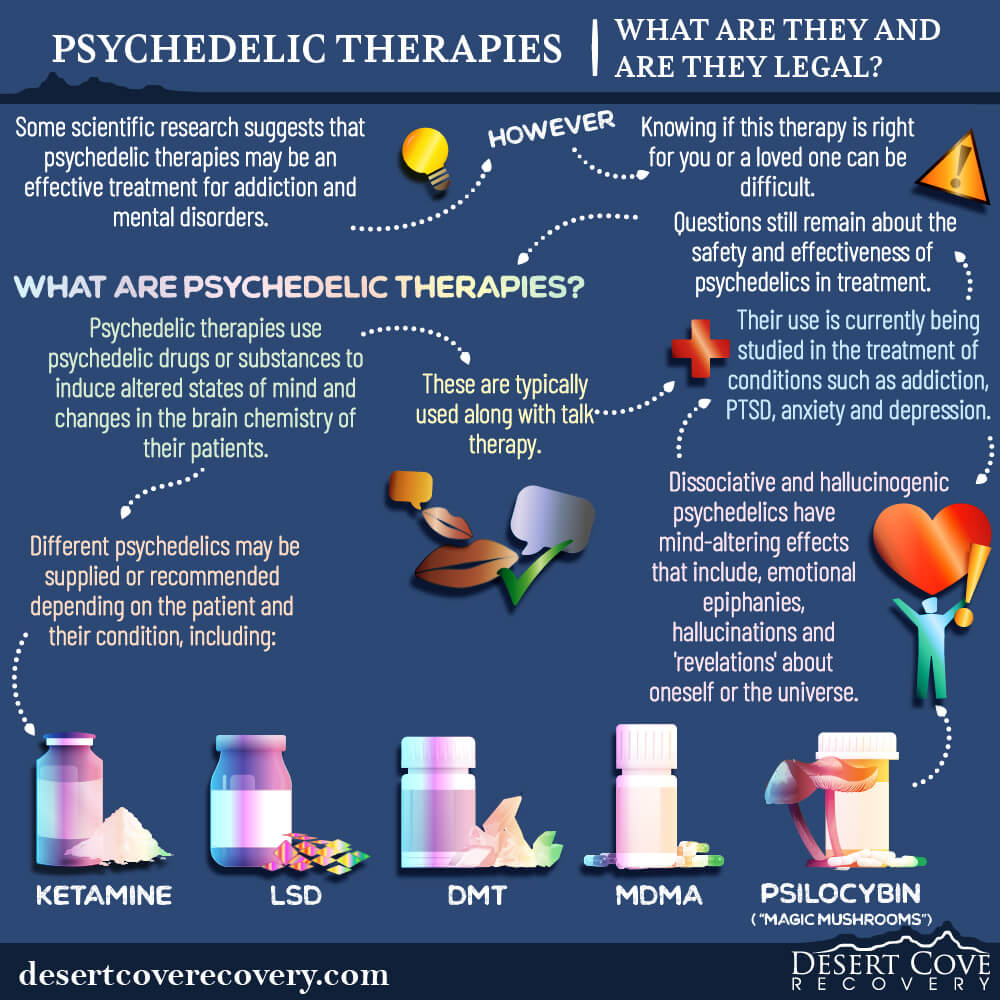
Researchers have studied psychedelics for depression, PTSD, substance use disorders, and end-of-life anxiety. Institutions such as Johns Hopkins, NYU, and Imperial College London have published work suggesting potential benefit under controlled conditions. The keyword is controlled.
In a clinical study, participants usually go through psychiatric screening, medical review, preparation sessions, monitored dosing, and structured follow-up. That looks very different from a retreat where a vulnerable person may be far from their regular doctor, family, and emergency care (even if the setting looks calm online).
Strong early data does not turn every psychedelic provider into a safe provider. The gap between research and commercial hype is where patients can get hurt.
Look, I have watched this pattern for years in health tech and wellness. A real scientific signal appears, money rushes in, branding gets louder, and the boring safety details get treated like fine print. But in mental health care, the fine print can be the whole story.
What the People Report Should, and Should Not, Make You Think
The People article points to a public figure’s final social media activity and notes a history of psychedelic treatment. It is fair for readers to ask questions after any public tragedy. It is not fair, or accurate, to assume one treatment caused one outcome without a full medical and investigative record.
That distinction matters.
Social posts can reflect grief, fear, confusion, humor, image management, or a momentary state that changes hours later. They are clues, not clinical records. Families should treat online behavior as a signal to check in, especially if posts sound hopeless, paranoid, unusually grand, or disconnected from reality.
Psychedelic Drug Treatment Safety: Questions to Ask Before Anyone Starts
If a clinic or retreat cannot answer basic safety questions in plain language, walk away. Medicine should not feel like buying a mystery package. You are not being difficult by asking for credentials, emergency plans, and follow-up care.
- Who performs the psychiatric screening? Ask whether a licensed psychiatrist, psychologist, or qualified clinician reviews history before treatment.
- What conditions are exclusion criteria? Providers should clearly address bipolar disorder, psychosis, schizophrenia spectrum disorders, severe dissociation, and active suicidal intent.
- What drug is used, and is it legal in that setting? Ketamine can be prescribed in the United States. Psilocybin and MDMA access is much more restricted, except in specific research or regulated programs.
- What happens if the patient panics or becomes suicidal afterward? A credible program has a crisis plan, not just a soothing playlist.
- Is there coordination with the patient’s current therapist or doctor? Fragmented care is risky, especially for people taking antidepressants, mood stabilizers, stimulants, or benzodiazepines.
Think of it like building a house in earthquake country. The view matters, sure, but the foundation and emergency exits matter more. Psychedelic care without screening and follow-up is a pretty structure on soft ground.
Where Ketamine Fits In
Ketamine is often grouped with psychedelics, though it works differently from classic psychedelics such as psilocybin or LSD. In medical settings, ketamine and esketamine may be used for treatment-resistant depression. Esketamine, sold as Spravato, has FDA approval with safety controls under a Risk Evaluation and Mitigation Strategy program.
That does not make ketamine risk-free. It can raise blood pressure, cause dissociation, impair judgment, and create misuse concerns for some patients. Clinics should monitor vital signs and make sure patients do not drive home after treatment.
Red Flags Families Should Take Seriously
Families often notice trouble before a provider does. Maybe your loved one sounds unusually euphoric, cannot sleep, talks about cosmic certainty, or says the treatment solved everything overnight. That can be relief, but it can also be a warning sign.
- New or worsening suicidal thoughts
- Paranoia, hallucinations, or extreme confusion
- Several nights with little or no sleep
- Sudden substance use after treatment
- Isolation after a retreat or session
- Claims that medication or therapy is no longer needed without medical advice
What should you do if you see these signs? Contact the treatment provider, the person’s regular clinician, or emergency services if there is immediate danger. In the United States, call or text 988 for the Suicide and Crisis Lifeline if someone may harm themselves.
The Part the Wellness Industry Rarely Sells
The hard work often starts after the drug session. Integration therapy helps a person make sense of intense emotions, memories, or altered beliefs. Without that support, a powerful experience can leave someone raw, suggestible, or more confused than before.
Good care also respects limits. Psychedelic treatment may not be the right fit for a person in acute crisis, someone with unstable housing, or someone without support after the session. Sometimes the safer move is standard psychiatric care, medication adjustment, inpatient stabilization, or addiction treatment.
What to Do Before You Say Yes
Bring the same skepticism you would bring to any high-stakes medical decision. Ask for evidence, read consent forms, and get a second opinion from a licensed mental health professional who is not selling the treatment. If the provider pressures you, that is your answer.
Your next step is simple: write down the diagnosis, current medications, past mental health history, and support plan before booking anything. Then ask a qualified clinician whether psychedelic drug treatment fits that full picture. The future of this field may be real, but patients should not have to act as test pilots for sloppy care.
This article is for educational purposes only and should not be considered medical advice. Always consult a qualified healthcare provider before making decisions about addiction treatment. If you or someone you know is in crisis, call SAMHSA's National Helpline: 1-800-662-4357 (free, confidential, 24/7).