Project Save Lives Connects Overdose Survivors to Recovery Resources
Project Save Lives Connects Overdose Survivors to Recovery Resources After an overdose, the clock starts ticking fast. You may get emergency care, leave the…
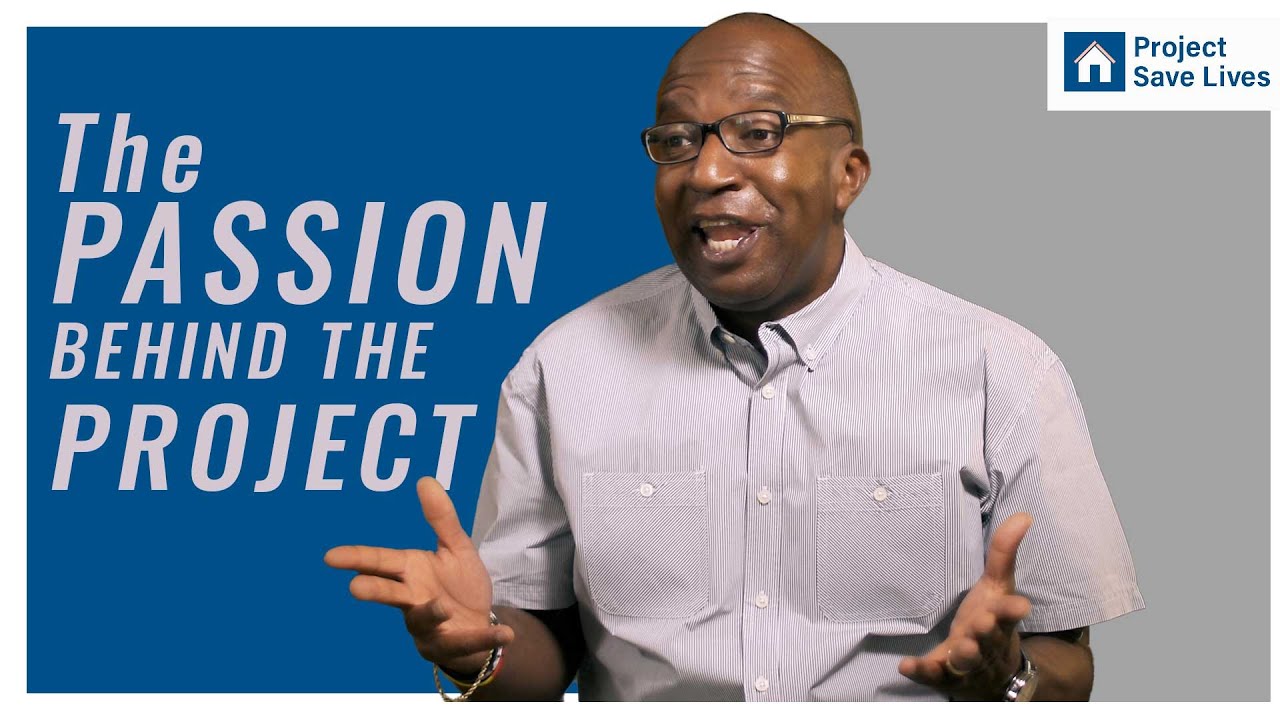
Project Save Lives Connects Overdose Survivors to Recovery Resources
After an overdose, the clock starts ticking fast. You may get emergency care, leave the hospital, and then face the same triggers, the same pain, and the same shortage of support that helped drive the crisis in the first place. That is why project save lives matters now. It gives overdose survivors a path to recovery resources before the moment slips away.
This kind of outreach is not flashy, and that is the point. It meets people where they are, which is often scared, exhausted, and unsure of what comes next. Ahead of International Overdose Awareness Day, programs like this push back on a brutal fact. Survival is only the first step. What happens after the overdose can decide everything.
What Project Save Lives Is Trying to Fix
- It connects survivors to care quickly. Timing matters after an overdose, especially in the first hours and days.
- It links people to recovery resources. That can include treatment referrals, peer support, and community services.
- It helps reduce repeat overdoses. Follow-up care lowers the odds that a survivor goes back into the same danger.
- It supports families too. Loved ones often need guidance as much as the survivor does.
Look, overdose response cannot stop at naloxone and an ambulance ride. If you treat the emergency but ignore the social wreckage around it, you are patching a roof during a storm and hoping for the best. That is not a plan.
Why project save lives Depends on Fast Follow-Up
Research from the National Institute on Drug Abuse has long shown that people with substance use disorder face a high risk of relapse and overdose without ongoing care. The danger rises after a nonfatal overdose because tolerance can drop quickly. That makes the next use even more dangerous.
Here is the thing. Many survivors do want help, but they do not always know where to start. Others have tried treatment before and hit dead ends. Some have no transportation, no insurance, or no one picking up the phone. A good outreach program removes some of those barriers before they harden into excuses, or worse, resignation.
“The first 24 to 72 hours after an overdose can be a turning point. If you wait too long, you lose momentum, and the person may disappear back into crisis.”
What Recovery Support Can Look Like After an Overdose
Recovery support is not one-size-fits-all. The best programs build a menu of options, then match people to the right next step.
- Peer recovery coaching. People with lived experience can make the next call feel less intimidating.
- Treatment referrals. That may include outpatient care, detox, medication for opioid use disorder, or residential treatment.
- Naloxone education. Survivors and their families should know how to spot overdose signs and use naloxone.
- Case management. Housing, transportation, and insurance problems can block recovery before it starts.
- Family support. Families need plain language, not jargon, and they need it fast.
Think of it like a basketball team after a hard foul. The player needs medical attention, yes, but the bench also has to be ready, the coach has to adjust, and the rest of the team has to stay in the game. Recovery works the same way. One intervention rarely does the whole job.
Why International Overdose Awareness Day Matters to Local Action
International Overdose Awareness Day is a global observance, but the work is local. It forces communities to talk about the people behind the statistics, and that matters because overdose deaths remain high across the United States. The Centers for Disease Control and Prevention has reported that hundreds of thousands of people have died from drug overdoses in recent years, with opioids driving much of that toll.
That scale can numb people. But local efforts break the numbness. They turn a headline into a name, a case manager, a ride to treatment, a safer home, a second chance. Why wait for a crisis to repeat itself when the path to help is already standing in front of you?
How You Can Use a Program Like project save lives
If you or someone close to you has survived an overdose, treat the next step as urgent. Not someday. Now.
- Ask the hospital or ER about a recovery referral before discharge.
- Request naloxone and overdose education.
- Connect with a peer support program if one is available in your area.
- Ask about medication-assisted treatment if opioid use is part of the picture.
- Write down one phone number you can call today, not next week.
Programs like project save lives work best when the handoff is simple. No maze. No guessing. Just a direct bridge from crisis to care. And that bridge should be built before the next overdose, not after it.
The Next Test for Local Overdose Response
The real question is not whether communities care. Many do. The question is whether they can build systems that stay with people after the sirens stop. That is the hard part, the part that gets cut when funding gets tight or attention moves on.
If project save lives can keep people connected to treatment, peer support, and practical help, it is doing more than outreach. It is changing the odds. The next step is obvious. Can more communities make that same handoff before another life is put on the line?
This article is for educational purposes only and should not be considered medical advice. Always consult a qualified healthcare provider before making decisions about addiction treatment. If you or someone you know is in crisis, call SAMHSA's National Helpline: 1-800-662-4357 (free, confidential, 24/7).