Prescription Storage Safety: Hidden Risks at Home
Prescription Storage Safety: Hidden Risks at Home You probably keep medicines close by for convenience. That makes sense. But prescription storage safety is…
Prescription Storage Safety: Hidden Risks at Home
You probably keep medicines close by for convenience. That makes sense. But prescription storage safety is about more than tidiness. It can reduce accidental poisonings, keep pills out of the wrong hands, and help you avoid confusing one drug for another when your routine gets busy. The risk is not abstract. The Centers for Disease Control and Prevention says poisonings remain a leading cause of injury death in the United States, and medication mix-ups are a common part of that picture. So where should you keep your prescriptions, and who can reach them? That question matters every day, especially in homes with children, teens, older adults, or visitors.
What good prescription storage safety looks like
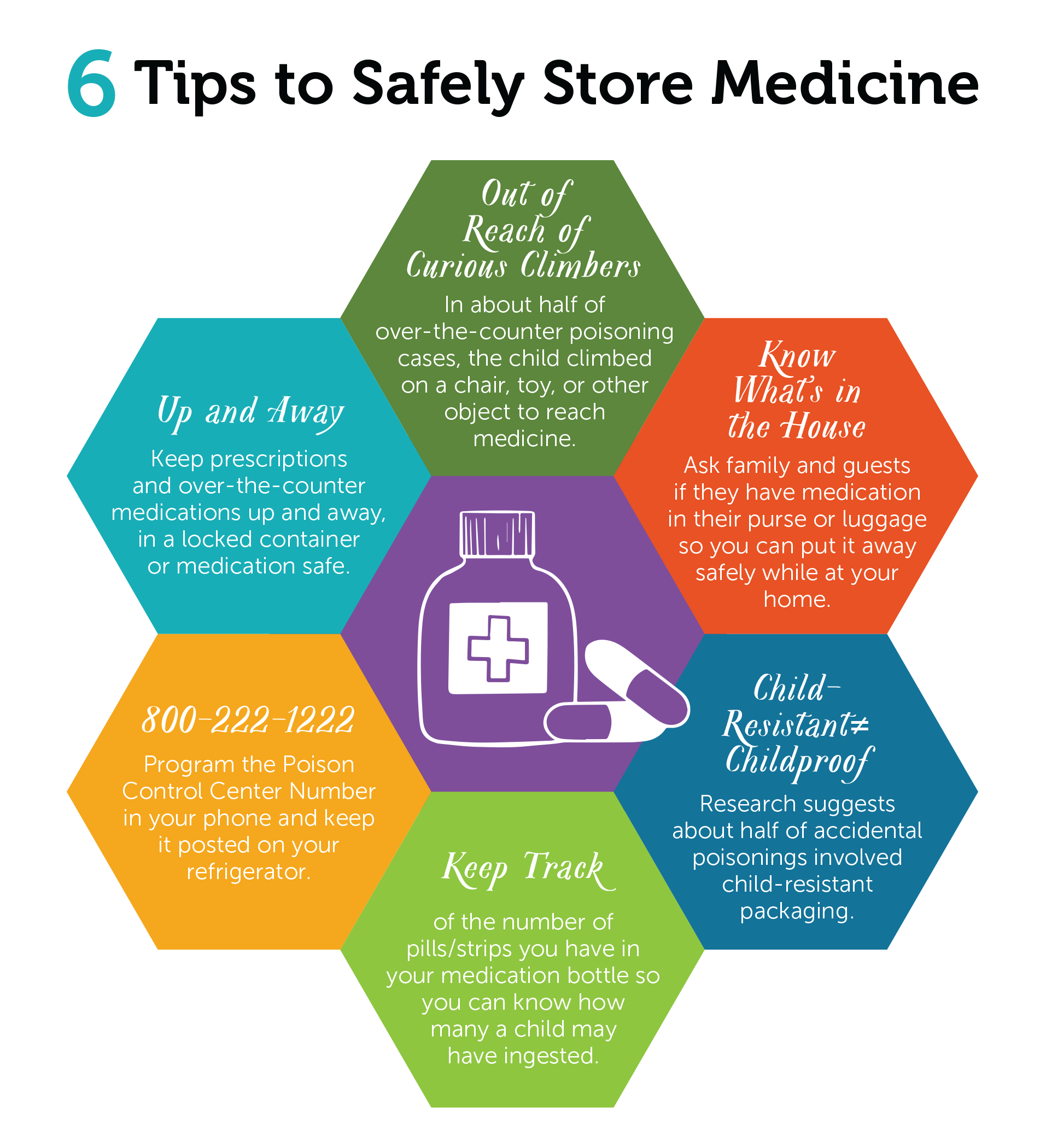
- Store medicines in a locked place, away from children, teens, and houseguests.
- Keep prescriptions in their original containers so labels, directions, and warnings stay visible.
- Separate daily meds from backup supplies to cut down on mistakes.
- Check expiration dates regularly and remove anything you no longer use.
- Dispose of old prescriptions the right way through take-back programs or approved disposal methods.
Why prescription storage safety matters now
People often treat medicine cabinets like private storage, but many bathrooms are a poor fit. Heat and humidity can damage some drugs, and an unlocked cabinet is easy to reach. Kids are curious. Teens are quicker than adults like to admit. And a casual guest can spot a bottle in seconds.
Look, most home medication problems start with ordinary habits. A bottle sits on a counter. A pill organizer gets refilled without checking labels. A pain medicine is left in a bag after a surgery follow-up. Small gaps add up fast.
“A locked, labeled, and limited medicine supply is the safest setup for most homes.”
Where should you store prescriptions?
Pick a cool, dry place that stays out of sight and out of reach. A bedroom drawer with a lock, a high cabinet with a latch, or a dedicated lockbox works better than an open shelf or bathroom counter. Think of it like keeping sharp knives in a drawer guard instead of loose in the sink. Same idea. Less chance of an accident.
Keep one exception in mind. If you need emergency medication, like an inhaler or epinephrine auto-injector, store it where you can reach it fast. Safety should not make care harder.
What about refrigerators?
Some prescriptions need cold storage. Follow the label exactly, and keep those medicines in a separate section of the fridge, away from food. Use a sealed container so they do not get lost behind leftovers or touched by children.
Which mistakes create the biggest risk?
Here are the moves that cause the most trouble:
- Leaving medicine in handbags, cars, or gym bags. Heat and access are both problems.
- Mixing pills into one container. You lose labels and dosage info.
- Sharing prescriptions. A medicine that helps one person can harm another.
- Using old pain pills after a new injury. The dose may be wrong, or the drug may no longer be needed.
- Keeping unused opioids or sedatives “just in case.” These drugs carry real misuse risk.
And here is the thing. If you cannot name every medicine in your home, you already have a storage problem.
How do you keep track without making it a chore?
Use a simple system. One list. One place. One monthly check.
- Write each medication name, dose, and reason for use.
- Store the list near the lockbox or on your phone.
- Check for expired bottles once a month.
- Compare pill counts if a medicine should last a set number of days.
- Keep children’s medicines separate from adult prescriptions.
This works because it removes guesswork. A pill organizer can help with daily use, but it should not replace the original bottle for storage. The label matters. So does the pharmacy warning.
Prescription storage safety and disposal
Old medicine should not pile up. The U.S. Food and Drug Administration recommends using drug take-back programs when possible. Many pharmacies, hospitals, and police stations offer drop boxes. If no take-back option exists, the FDA says some medicines can go in the trash after mixing them with an unappealing substance like used coffee grounds or cat litter, then sealing them in a container. Certain drugs, including many opioids, may also appear on FDA flush lists because the risk of immediate harm outweighs the environmental concern.
Do not guess. Check the label or ask a pharmacist.
What should families and caregivers do differently?
Families need a plan, not just a drawer. If you care for a child, older adult, or person with a substance use disorder, keep high-risk drugs locked and count them regularly. Ask one person to handle refills. Ask another to review what is actually being used.
That kind of division sounds simple, because it is. But simple systems hold up under stress. A house with a clear medication routine has fewer surprises at 2 a.m. when someone reaches for the wrong bottle.
One last check before you close the cabinet
Ask yourself three questions: Can someone else reach this? Could someone mistake it for something else? Would I know if one bottle went missing? If the answer is yes to any of those, your setup needs work. Prescription storage safety is not a fancy home project. It is basic risk control, and the payoff is real. What would your home look like if every medicine had a locked place and a clear purpose?
This article is for educational purposes only and should not be considered medical advice. Always consult a qualified healthcare provider before making decisions about addiction treatment. If you or someone you know is in crisis, call SAMHSA's National Helpline: 1-800-662-4357 (free, confidential, 24/7).