Portland Addiction Center for Mothers Closing After 37 Years
Portland Addiction Center for Mothers Closing After 37 Years If you are a mother trying to get sober while keeping your child close, treatment access can…
Portland Addiction Center for Mothers Closing After 37 Years
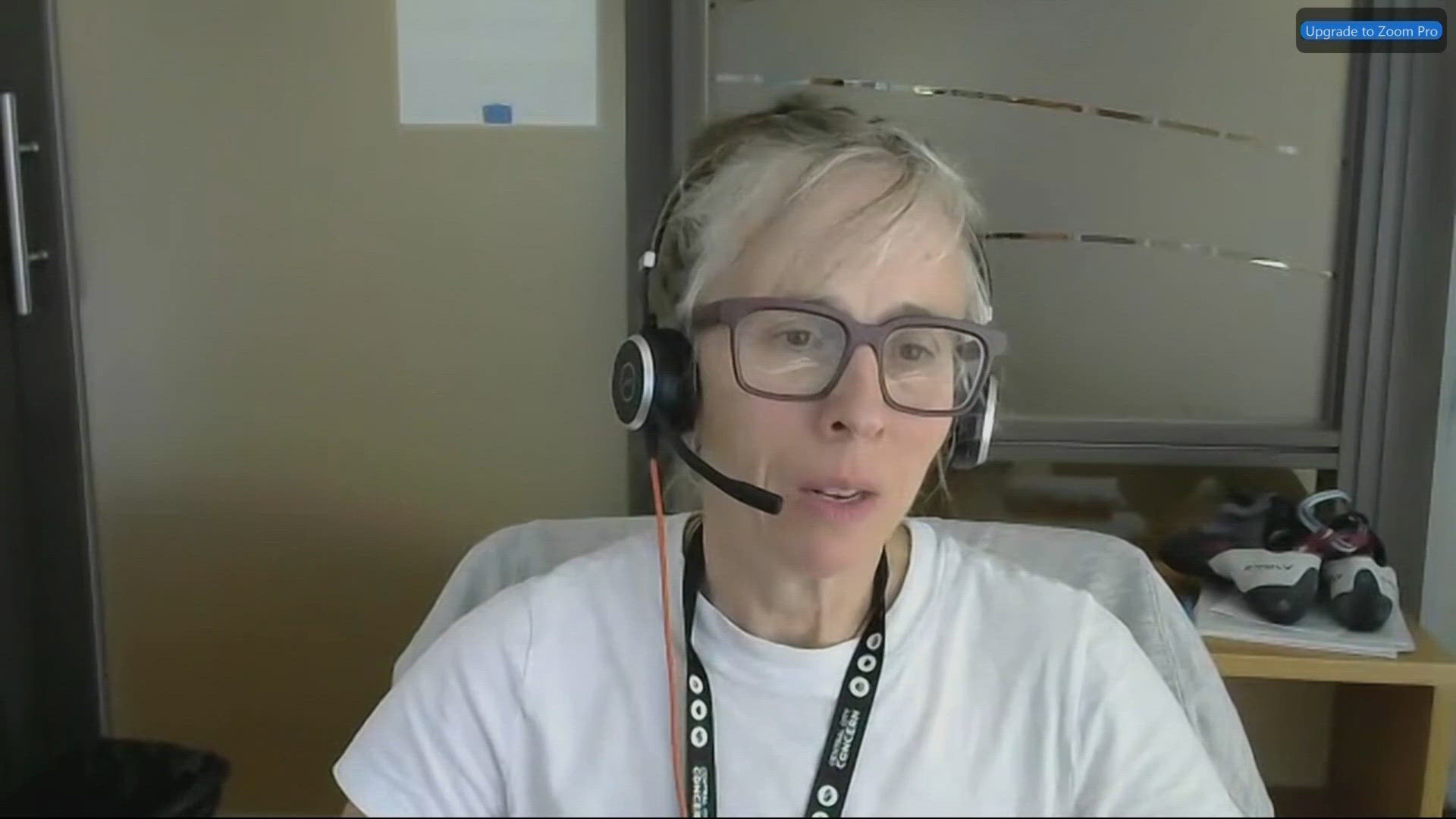
If you are a mother trying to get sober while keeping your child close, treatment access can already feel painfully thin. The reported closure of a Portland addiction center for mothers after 37 years makes that gap harder to ignore. KPTV reported that the long-running Portland program will close, ending a rare model that allowed mothers to seek addiction treatment without being separated from their children. That matters now because Oregon continues to face high rates of substance use disorder, overdose risk, and long waits for behavioral health care. A closure like this is not only a local business story. It changes the practical options for pregnant women, new mothers, and families who need care fast. And fast can mean the difference between treatment and another unsafe night.
What families should know
- The closure removes a specialized treatment option for mothers in the Portland area.
- Programs that allow children to stay with a parent are harder to find than standard residential treatment beds.
- Families should call providers directly, since openings, eligibility, and child policies can change quickly.
- Oregon leaders will face more pressure to protect family-centered addiction treatment capacity.
Why a Portland addiction center for mothers matters
Family-centered treatment solves a problem that standard rehab often ignores. Many mothers delay care because they fear losing custody, cannot find child care, or do not want to leave an infant during withdrawal and early recovery. Those barriers are not minor. They are often the reason treatment never starts.
The strongest programs treat substance use disorder while also addressing parenting, trauma, mental health, prenatal care, housing pressure, and child development. That mix is hard to run and expensive to staff. But for a mother with a toddler and no safe backup plan, it can be the only realistic door into care.
Closing a family-centered addiction program is like removing a load-bearing wall from an old house. The damage may show up later, but the strain starts immediately.
I have covered health and treatment systems long enough to be wary of tidy explanations. Closures usually come from a pileup of problems, including reimbursement rates, staffing shortages, facility costs, and contract changes. The public sees the final announcement. Families feel the missing bed.
What the Portland addiction center for mothers closure could mean for access
The immediate question is simple. Where does a mother go if she needs residential treatment and cannot safely separate from her child? Standard residential programs may not accept children, and outpatient care may not be enough for someone facing withdrawal risk, unstable housing, or repeated relapse.
The loss lands hard.
Oregon has invested in addiction services in recent years, including funding tied to Measure 110 and later policy changes. Still, treatment availability remains uneven. A bed on paper does not help if it is two counties away, has a waitlist, or requires a parent to leave a child behind.
The child care barrier is a treatment barrier
People often talk about addiction treatment as if the only choice is whether someone wants help. That is too neat. For mothers, the real question may be who watches the baby, who talks to child welfare, who gets the older child to school, and who pays rent while treatment happens.
Research from the Substance Abuse and Mental Health Services Administration has long recognized the need for services designed for pregnant and parenting women. The National Institute on Drug Abuse also notes that effective treatment often needs to address medical, social, legal, and family needs, not only drug use. That is exactly where mother-focused programs earn their keep.
Steps families can take now
If you or someone you love may be affected by the closure, move quickly and document every call. Ask specific questions, because the phrase residential treatment can mean very different things from one provider to another. You want facts, not a vague referral.
- Ask whether children can stay onsite. Confirm the ages accepted, sleeping arrangements, and any custody paperwork needed.
- Check pregnancy and postpartum services. Ask about prenatal care coordination, medication for opioid use disorder, and transportation to medical visits.
- Ask about waitlists in plain terms. Request the expected wait time, how often to call back, and whether priority admission applies.
- Call 988 for mental health crisis support. If there is immediate danger or overdose risk, call 911 or seek emergency care.
- Use Oregon and county referral lines. Local behavioral health offices, coordinated care organizations, and community clinics may know which programs still accept parents with children.
Families should also ask about medications such as buprenorphine and methadone for opioid use disorder. These treatments are backed by strong evidence and are recommended by major medical groups, including the American Society of Addiction Medicine. If a program rejects medication-based care without a medical reason, that is a red flag.
What policymakers should learn from this Portland addiction center for mothers story
Program closures should trigger more than sympathy. Oregon needs a clear count of family-centered residential beds, average wait times, and how many mothers are turned away because they have children. Without that data, officials are guessing while families scramble.
Payment models also need a hard look. Programs serving mothers and children carry costs that standard adult treatment programs may not have, including child-safe facilities, family case management, parenting support, and coordination with health care and child welfare. Paying them as if they are ordinary beds is a slow way to starve the model.
- Track family-centered treatment beds separately from general residential beds.
- Fund child care and parenting support as part of treatment, not as optional extras.
- Protect medication access for opioid use disorder in residential settings.
- Create transition plans before closures, with named contacts for every current client.
- Publish wait time data so families and providers can see the real bottlenecks.
Look, the technology world learned this lesson with network outages. Redundancy matters. Health systems need the same thinking, because one closure should not knock out a whole category of care for a city.
How to talk to a mother who needs help
Shame keeps people away from treatment. So does fear. If you are supporting a mother with substance use disorder, start with safety and logistics instead of blame.
Try direct language. Ask what she needs tonight, whether she feels safe, and whether she wants help calling programs. Offer to sit with her during the call, watch the child during an appointment, or write down names and numbers. Small tasks can lower the wall between wanting treatment and getting through the intake door.
Avoid threats unless there is immediate danger. Threats can push someone into hiding, especially if custody fears are already high. Clear boundaries still matter, but support works better when it comes with a concrete next step.
What happens next in Portland
The closure of a Portland addiction center for mothers should push agencies, insurers, and providers to act before more capacity disappears. Families need replacement options, not condolences. Reporters will track the policy fight, but parents need phone numbers, beds, and safe places for their children now.
If you are searching for care today, call local treatment providers, your county behavioral health office, and your health plan, then ask one question first. Can my child stay with me while I get treatment?
This article is for educational purposes only and should not be considered medical advice. Always consult a qualified healthcare provider before making decisions about addiction treatment. If you or someone you know is in crisis, call SAMHSA's National Helpline: 1-800-662-4357 (free, confidential, 24/7).