Phidarian Mathis Substance Abuse Violation: What the Bills Suspension Means
Phidarian Mathis Substance Abuse Violation: What the Bills Suspension Means A Phidarian Mathis substance abuse violation is more than a roster note. It can…
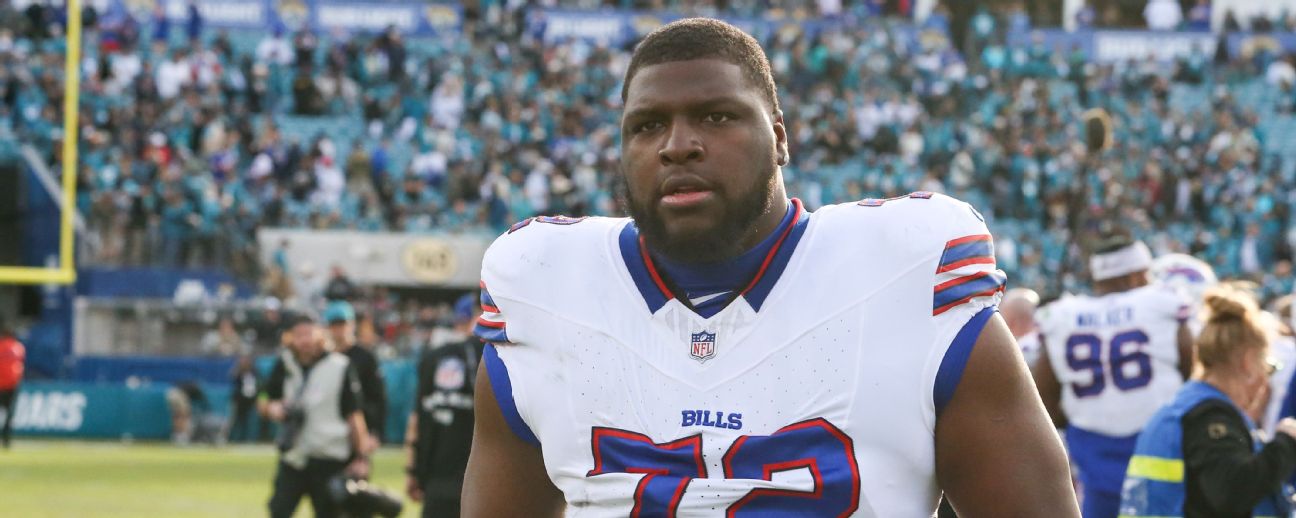
Phidarian Mathis Substance Abuse Violation: What the Bills Suspension Means
A Phidarian Mathis substance abuse violation is more than a roster note. It can affect a player’s health, contract status, locker room role, and how the team plans for the next few weeks. The Bills now have to adjust without a depth piece on the field, and fans are left reading between the lines because the league rarely gives much detail. That silence creates noise. And in football, noise turns into assumptions fast.
Look, this is not just about one suspension. It is about how the NFL’s substance abuse policy works, why teams respond so carefully, and what a short ban can mean for a player trying to stay on track. The headline sounds simple. The reality is messier. What does a three-game suspension tell you, really?
What stands out about the Phidarian Mathis substance abuse violation
- The penalty is immediate. A three-game suspension removes the player from the active plan right away.
- The team loses depth. That matters most if the player was expected to rotate in on defense.
- The league keeps details limited. Fans often get the punishment, not the full context.
- The personal impact can run deeper. A violation can point to a larger health or treatment issue.
- The response sets a tone. Teams watch how a player handles the next few weeks.
What does a substance abuse violation mean under NFL rules?
The NFL substance abuse policy covers a range of issues tied to drugs of abuse and related conduct. It is separate from the personal conduct policy, and the league can impose discipline even when public details are thin. In many cases, the exact reason for the punishment is not fully disclosed.
For you as a reader, that matters because the label can sound clinical while the human side stays hidden. A violation can involve a failed test, missed tests, or other policy breaches. The league has long treated these cases as private unless the player or team decides to say more.
“The suspension is the headline. The real story is often the process behind it, and the player’s next move.”
How the Bills handle a three-game absence
The Bills now have to rework their defensive rotation. That can mean more snaps for backups, a different game-day active list, or a shift in how the coaching staff uses certain packages. It is like a chef losing a key ingredient mid-service. You can still plate the meal, but the recipe changes.
Teams rarely panic over one short suspension. They do, however, hate the timing. A three-game absence can matter if the roster is thin at a specific spot, especially early in the season when every rep counts.
- Reassign snaps to the next player in line.
- Adjust practice reps so the replacement gets live work.
- Use scheme tweaks to hide the missing piece.
- Track the return date and plan for reintegration.
Why these cases are bigger than football
Suspensions tied to substance issues often point to something personal, not just disciplinary. That does not excuse the violation. But it does change how you should read the news. Addiction and substance misuse can sit behind public infractions, and the NFL has a long history of treating those cases as both medical and behavioral problems.
For the player, the next stretch can decide whether the setback becomes a detour or a pattern. Support matters here. So does accountability. Both can be true at once.
What readers should watch next
Watch whether the team offers any health-related framing, whether the player speaks publicly, and whether the suspension comes with any follow-up steps. Those details can tell you more than the ban itself.
And if the player returns focused and available, the story changes fast. That is the part the hot takes often miss.
Phidarian Mathis substance abuse violation and the bigger league picture
The NFL has tried for years to balance punishment, privacy, and treatment. That balance is clumsy at best. It can look harsh when the league stays vague, and too soft when fans want more transparency. Still, the policy exists because teams need a clear standard, and players need a framework that does not change every season.
That tension is the real issue. The league wants discipline. Players need support. Fans want answers. Those goals do not always line up.
For the Bills, the practical question is simple. Can they absorb the absence without losing rhythm? For Mathis, the bigger question is sharper. What comes after the ban?
What happens now?
The next few weeks will tell you more than the original announcement. If Mathis returns and the team treats this as a closed issue, then it may fade into the background. If more details emerge, the conversation will shift toward recovery, accountability, and whether the system gave him what he needed.
Either way, the suspension is not just a roster move. It is a reminder that football problems often start somewhere off the field. And the league still struggles to explain that part without hiding behind the paperwork.
This article is for educational purposes only and should not be considered medical advice. Always consult a qualified healthcare provider before making decisions about addiction treatment. If you or someone you know is in crisis, call SAMHSA's National Helpline: 1-800-662-4357 (free, confidential, 24/7).