PFAS Treatment in Weston: $5M Well Plan
PFAS Treatment in Weston: $5M Well Plan If your drinking water comes from a municipal system, PFAS treatment can feel like a distant utility problem until a…
PFAS Treatment in Weston: $5M Well Plan
If your drinking water comes from a municipal system, PFAS treatment can feel like a distant utility problem until a local well crosses an advisory line. That is now the issue in Weston, Wisconsin. According to Wausau Pilot & Review, the village is planning a $5 million treatment project for two more wells after an idle well tested above the state advisory level. For residents, the headline is simple. The water system needs more protection, and the bill will not be abstract. It will shape budgets, timelines, trust, and the daily question every household asks when contaminants show up near public drinking water. Is the water safe enough to use today, and what is being done to keep it that way tomorrow?
What matters right now
- Weston is planning PFAS treatment for two additional municipal wells, based on the local report.
- The project is estimated at $5 million, which signals a major infrastructure decision for a village water system.
- An idle well reportedly tested above Wisconsin’s state advisory level, adding pressure to act before future supply problems emerge.
- PFAS is a long-term water issue. Treatment helps, but monitoring, funding, and public reporting matter just as much.
Why PFAS treatment in Weston is moving up the priority list
PFAS are a family of human-made chemicals used for decades in products such as stain-resistant fabrics, nonstick coatings, firefighting foam, and industrial processes. The concern is not one scary acronym on a lab sheet. The concern is persistence, because some PFAS compounds break down slowly and can move through groundwater.
Local water systems face a hard choice once PFAS appears in or near active supply wells. They can shut wells down, blend water, add treatment, drill new wells, or combine several options. None of those choices is cheap, and none is instant.
Weston’s reported $5 million plan is a reminder that PFAS is no longer a theoretical water-quality debate. It is a capital project, a ratepayer issue, and a public trust test.
Honestly, this is where the public conversation often gets muddy. An advisory level is not the same as a federal enforceable limit, but it still matters. It tells local officials that a contaminant level has crossed a threshold that deserves attention, especially when the source may be part of the future water supply.
What PFAS treatment actually does
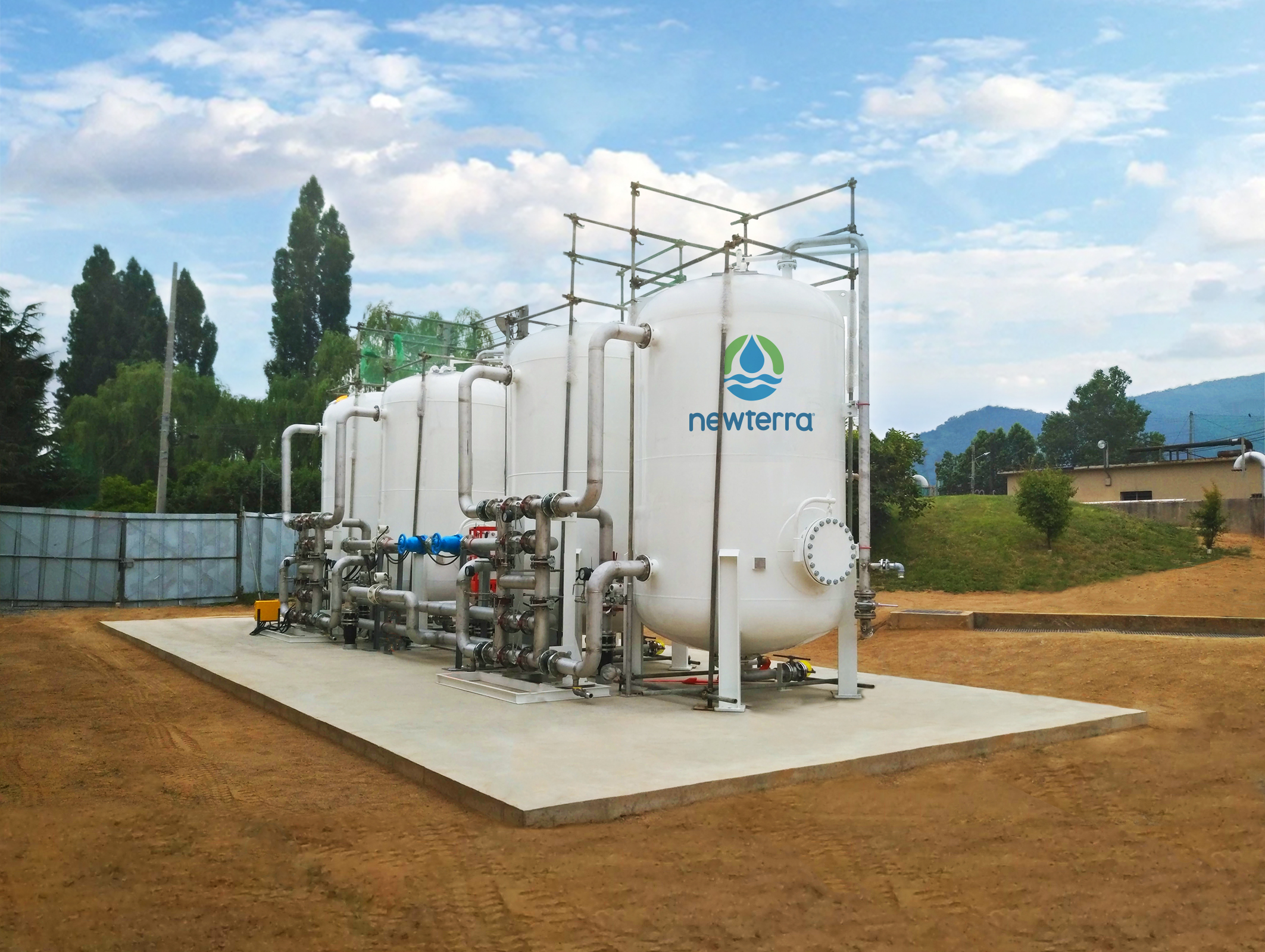
PFAS treatment does not make the chemicals vanish by wishful thinking. It removes or reduces them through equipment that catches contaminants before water reaches your tap. Think of it like a kitchen strainer, except the holes are selected for a chemistry problem rather than pasta.
Utilities commonly look at a few treatment methods. Granular activated carbon is widely used and can be effective for certain PFAS compounds. Ion exchange resin can also pull targeted chemicals from water. Reverse osmosis works at a tighter level, though it is more common for point-of-use systems or specific treatment designs because it can be costly and water intensive.
Here is the catch. Treatment media must be replaced or regenerated, spent material must be handled properly, and performance has to be tested. A filter that is ignored becomes a liability.
Questions residents should ask
- Which wells will receive the new treatment, and are they active, standby, or planned for future use?
- What PFAS compounds were detected, and at what levels?
- How often will treated and untreated water be tested?
- Will the village publish results in plain language, not only in technical tables?
- How will the $5 million project affect water rates, borrowing, grants, or local taxes?
The idle well detail deserves attention
An idle well can sound less urgent than an active one. That reading is too casual. Water systems keep wells idle for many reasons, including maintenance, demand patterns, contamination concerns, or long-term planning.
If an idle well tests above a state advisory level, it can narrow the village’s options. A community may need that well during drought, equipment failure, high demand, or future growth. Leaving it untreated may look cheaper today, but it can box officials in later.
This is the right moment to be stubborn about transparency.
Residents should not have to translate regulatory language to understand their water. Weston should publish a simple well-by-well status table, including which wells are active, which are offline, which have treatment, and when the next test results are expected. That kind of public dashboard would do more for trust than a stack of meeting minutes.
PFAS treatment in Weston and the bigger Wisconsin problem
Weston is not alone. Wisconsin communities have been dealing with PFAS in groundwater, surface water, and drinking water systems for years. The Wisconsin Department of Natural Resources has tracked PFAS contamination concerns in multiple areas, and the U.S. Environmental Protection Agency finalized national drinking water standards for several PFAS compounds in 2024.
That federal move changed the stakes. Utilities now face tighter expectations, and many small and mid-sized systems must figure out how to pay for testing and treatment. Federal rules may set the floor, but local leaders still have to build the equipment, award contracts, and explain rate impacts.
Look, there is no magic bargain here. Clean water infrastructure costs money. The real question is whether officials spend early on prevention and treatment, or spend later under public pressure after confidence drops.
What households can do while the village works
You cannot build a municipal treatment plant from your kitchen table. But you can take practical steps, especially if you are pregnant, have young children, are immunocompromised, or feel uneasy about PFAS exposure. Start with verified information from the village, the Wisconsin DNR, and your annual Consumer Confidence Report.
- Ask for the latest PFAS sampling results for your water system.
- Check whether your home is on municipal water or a private well. The response is different.
- If you use a private well, consider PFAS testing through a certified lab.
- For added protection, look for home filters certified to reduce specific PFAS compounds, such as products tested under NSF/ANSI standards.
- Do not rely on taste, smell, or clarity. PFAS contamination is not something you can detect by sight.
Home filters can help in some cases, but they are not a substitute for a well-run public system. They also require maintenance. If you install one and forget the replacement schedule, you may get less protection than you think.
The funding fight comes next
The $5 million estimate is the number that will follow this project into public meetings. Residents should expect debate over grants, loans, local borrowing, and rate changes. That debate should be specific, because vague promises do not pay for tanks, media, engineering, construction, testing, and disposal.
A smart funding plan should show the full life cycle cost, not only the installation price. Treatment systems come with ongoing expenses. Media replacement, lab sampling, staff time, electricity, and compliance reporting all belong in the public cost estimate.
Village officials also need to explain timing. If treatment is planned for two more wells, residents deserve to know the design schedule, construction window, and expected start date. Delays happen in public works, but silence makes every delay look worse.
What to watch at the next Weston meeting
The next useful discussion will not be the one with the most reassuring language. It will be the one with numbers, timelines, and accountability. Watch for whether officials name the treatment method, identify the affected wells, and explain how performance will be measured after installation.
PFAS has a way of turning water boards into chemistry classrooms. That is not enough. Weston residents need plain answers, steady updates, and a plan that protects both public health and the local wallet. The practical next step is simple. Ask for the data table, the project timeline, and the funding plan before the $5 million becomes yesterday’s estimate.
This article is for educational purposes only and should not be considered medical advice. Always consult a qualified healthcare provider before making decisions about addiction treatment. If you or someone you know is in crisis, call SAMHSA's National Helpline: 1-800-662-4357 (free, confidential, 24/7).