Pakistan Airstrike Fallout: When a Rehab Center Becomes a Target
Pakistan Airstrike Fallout: When a Rehab Center Becomes a Target People seeking treatment should never be caught in crossfire. Yet investigators now suggest…
Pakistan Airstrike Fallout: When a Rehab Center Becomes a Target
People seeking treatment should never be caught in crossfire. Yet investigators now suggest that a recent strike marketed as a military success hit a rehabilitation center instead. The Pakistan rehab center airstrike raises sharper questions about how conflict zones treat civilians who are trying to get clean, and why safeguards failed. Families report loved ones never coming home. Health workers fear that one mistake will chill access to lifesaving care across the region. What can be done to keep treatment doors open when the air raid sirens start wailing?
What to Know Right Now
- Investigators indicate the target may have been a civilian rehab facility, not a militant post.
- Local clinicians warn patients are abandoning treatment out of fear.
- Regional laws require protection of medical sites, yet enforcement looks shaky.
- Trust rebuilding will hinge on transparent probes and visible safety upgrades.
How the Pakistan rehab center airstrike unfolded
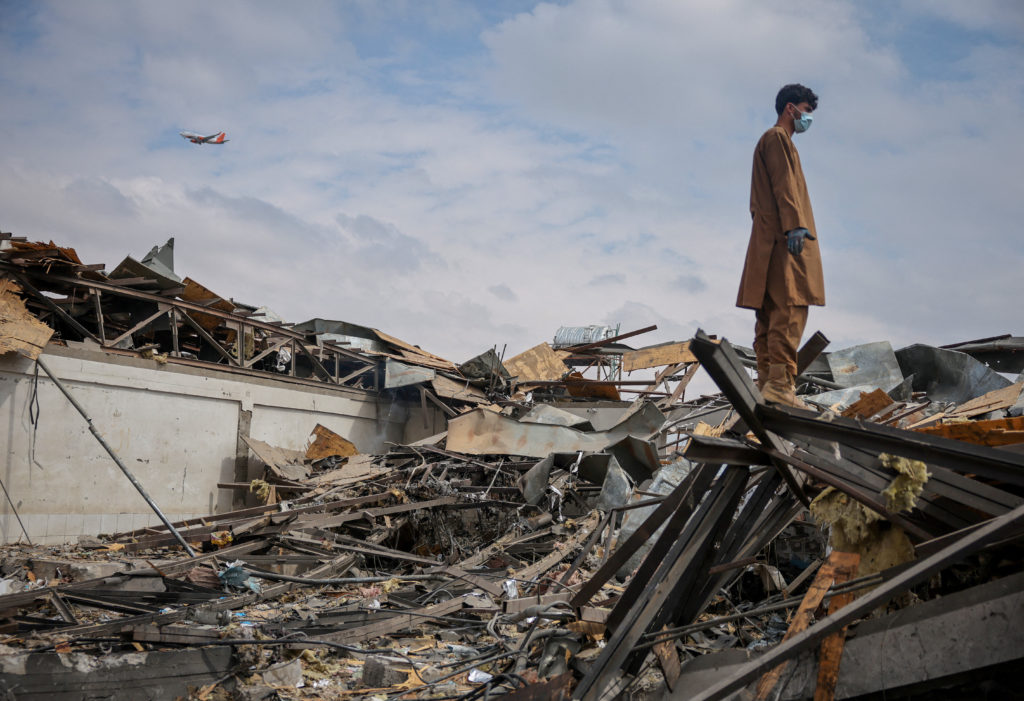
Authorities framed the operation as a clean hit on militants. Reporters on the ground found ruined beds, patient files, and shattered medication vials. That evidence contradicts the official line and puts spotlight on targeting intelligence. The blast crater sits where counselors once ran group sessions. Lives depended on that nuance.
“We pulled out people who had no weapons, only intake forms,” a local nurse told investigators.
Look, conflicting narratives thrive in conflict, but the physical debris tends to tell the truer story. This strike looks sloppy. And it exposes how thin the safeguards are for noncombatant clinics.
Why this misfire erodes treatment access
Patients already battle stigma. Add the fear of bombs and many choose the street over a bed. Public health teams in nearby districts now report missed appointments and relapses. When people in recovery scatter, overdose risk climbs and community violence often follows. That spiral mirrors a house of cards: pull one support and the rest tips fast.
Who pays the price when targeting turns sloppy? Families who finally convinced a son or daughter to accept help now face silence. Providers shoulder trauma while juggling basic security drills. Relief groups must divert funds from counseling to hardening walls.
Steps to protect rehab care during conflict
- Map and mark facilities clearly. Aid agencies and officials should share verified locations with military channels to reduce accidental hits.
- Install redundant comms. Clinics need backup radios and satellite links so they can warn staff and patients quickly.
- Harden critical rooms. Reinforce intake areas and pharmacies with blast-resistant materials where possible.
- Run evacuation drills. Monthly practice helps staff move patients in minutes, not panic-fueled seconds.
- Track and publish incidents. Transparent logs pressure commanders to respect medical neutrality and give families answers.
These moves sound basic, yet many centers skip them because budgets are tight and security advice is scarce.
Rebuilding trust after the Pakistan rehab center airstrike
Trust is currency in recovery work. Once shaken, it takes patient outreach and visible fixes to restore. Community leaders can host open days where families see new safety steps. Clinicians should brief local media on what changed, not just what went wrong. And governments must let independent investigators onto the site, even if the findings sting.
One blunt approach helps: publish a timeline showing when alerts came in, who approved the strike, and why intelligence failed. Without that candor, rumor fills the gap and pushes patients away.
Policy moves that would help now
Lawmakers can tighten rules that protect medical sites, including addiction treatment centers, by mandating regular audits during active operations. Funding emergency retrofits beats paying for long-term relapse surges. International partners should tie military aid to documented respect for medical neutrality. Think of it like sports officiating: clear rules and real penalties keep the game playable.
Another single-sentence paragraph sits here.
What readers can do
You do not need to be in Islamabad to make a dent. Support vetted relief groups that supply treatment centers with radios and basic fortifications. Share credible reporting so rumor does not drown fact. Ask elected officials why civilian clinics ended up in a targeting file. Small actions stack up into pressure that leaders cannot ignore.
Where this leaves us
Honestly, this incident shows how brittle recovery services can be under fire. The next strike could miss or it could erase another path to sobriety. Demand transparency, back practical protections, and keep the focus on people trying to rebuild their lives. The alternative is a silence filled with unanswered calls.
This article is for educational purposes only and should not be considered medical advice. Always consult a qualified healthcare provider before making decisions about addiction treatment. If you or someone you know is in crisis, call SAMHSA's National Helpline: 1-800-662-4357 (free, confidential, 24/7).