Outpatient Treatment Programs and Recovery Outcomes
Outpatient Treatment Programs and Recovery Outcomes If you are weighing treatment options, the hard question is not whether help exists. It is whether the plan…
Outpatient Treatment Programs and Recovery Outcomes
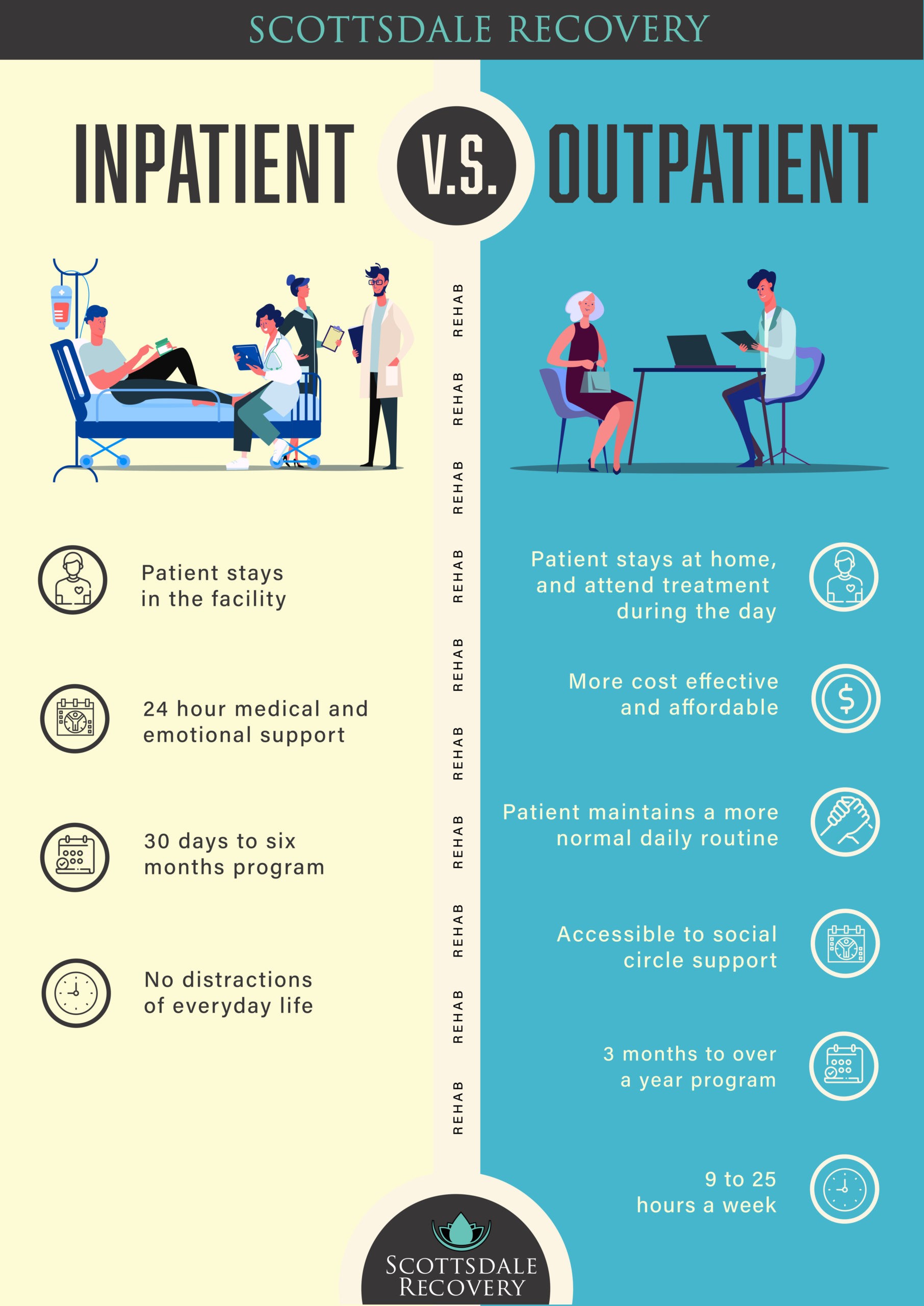
If you are weighing treatment options, the hard question is not whether help exists. It is whether the plan will fit your life and still lead to real progress. That is where outpatient treatment programs matter. They let you keep working, keep parenting, and keep showing up at home while you build new habits with professional support (especially if work, school, or childcare already fill the day). For many people, that balance is the difference between staying engaged and dropping out after the first disruption. The best programs do more than fill a calendar. They give you structure, accountability, and a cleaner path to recovery outcomes that can hold up after the schedule gets messy.
What matters most
- Fit: The right program matches your level of risk, home life, and support system.
- Structure: Therapy, check-ins, and clear goals help you keep momentum.
- Flexibility: Evening or daytime sessions make treatment easier to sustain.
- Step-down care: Good programs plan for less intensive support as you stabilize.
- Aftercare: Recovery does not stop when the last session ends.
Why outpatient treatment programs matter for recovery outcomes
Outpatient care works because it lets you practice change where your life actually happens. You do not leave your job, your school, or your family behind. You learn how to manage triggers in the same places where those triggers show up.
That is not a small detail. It is the whole point.
Guidance from groups like the National Institute on Drug Abuse and SAMHSA keeps circling back to the same idea. Match the level of care to the person, then adjust as the person changes. That approach respects reality. People do not recover on a clean schedule.
Recovery is easier to sustain when treatment fits the week you actually live, not the one you wish you had.
Flexibility without losing structure
Outpatient treatment programs usually include counseling, group work, medication support when needed, and regular progress checks. The mix can look lighter than residential care, but that does not mean it is casual. Good outpatient care should feel like a scaffold, not a loose suggestion.
Look for clear attendance expectations, follow-up when you miss a session, and a plan for relapse risk. If a program feels easy to slip out of, it may also be easy to slip out of when you need it most.
Medical support and therapy
For some people, medication helps reduce cravings or blunt withdrawal symptoms. For others, therapy carries more weight. Most strong programs use both when they make sense, because addiction usually touches the body and the mind at the same time.
This is where a sober, practical intake matters. A good clinician asks about your substance use, mental health, sleep, stress, and home support before they set the plan. That is the difference between generic care and care that can help you change.
Who outpatient treatment programs fit best
Outpatient care is often a strong option if you have stable housing, can get to sessions, and do not need around-the-clock supervision. It can also work well after detox or a higher level of care, when you are ready to test your recovery skills in daily life.
But it is not the right first stop for everyone. People with severe withdrawal risk, unsafe home environments, or repeated treatment failures may need a more intensive setting before outpatient care can help.
Recovery works best when the plan fits the person.
How family support changes the picture
Family does not cure addiction, but it can change how long someone stays connected to care. When relatives understand the program, they can stop guessing and start helping in practical ways, like protecting session time, spotting early warning signs, and keeping the home routine steady.
That support works best when it is specific. A vague promise to be there is weaker than a plan for rides, childcare, or check-ins after therapy.
What to ask before you enroll
- How many sessions per week will I attend?
- What happens if I miss a visit or relapse?
- Will medication, therapy, and case management be coordinated?
- How does the program handle mental health concerns?
- What does step-down care look like after the first phase?
These questions matter because recovery is not measured by a brochure. It is measured by what happens on a hard Tuesday afternoon when stress spikes and your plan still holds.
Outpatient treatment programs and the next step
If you are comparing options, focus less on the marketing language and more on the mechanics. Ask how the program keeps people engaged, how it responds to setbacks, and how it prepares you for life after the first month.
What good is treatment if it looks tidy on paper but falls apart in real life? If a program cannot explain how it handles relapse, work conflicts, and step-down care, it is not ready for real life. That is the standard worth using.
This article is for educational purposes only and should not be considered medical advice. Always consult a qualified healthcare provider before making decisions about addiction treatment. If you or someone you know is in crisis, call SAMHSA's National Helpline: 1-800-662-4357 (free, confidential, 24/7).