Outpatient Addiction Recovery in McKinney: What Grace to Change Offers
Outpatient Addiction Recovery in McKinney: What Grace to Change Offers If you are looking for help with addiction, speed matters. So does fit. The wrong…
Outpatient Addiction Recovery in McKinney: What Grace to Change Offers
If you are looking for help with addiction, speed matters. So does fit. The wrong program can leave you stuck, missed work can pile up, and the shame spiral can get louder. That is why outpatient addiction recovery matters in McKinney right now. It gives you a way to get treatment while keeping parts of your daily life intact, which can lower the barrier to starting care in the first place.
Grace to Change is part of that local picture. The nonprofit focuses on outpatient treatment for people who need structured support without a full residential stay. For many families, that is the difference between getting help this week and putting it off for months. And honestly, delay is where a lot of damage happens.
Look, recovery is not one-size-fits-all. Why pretend it is?
What outpatient addiction recovery can do for you
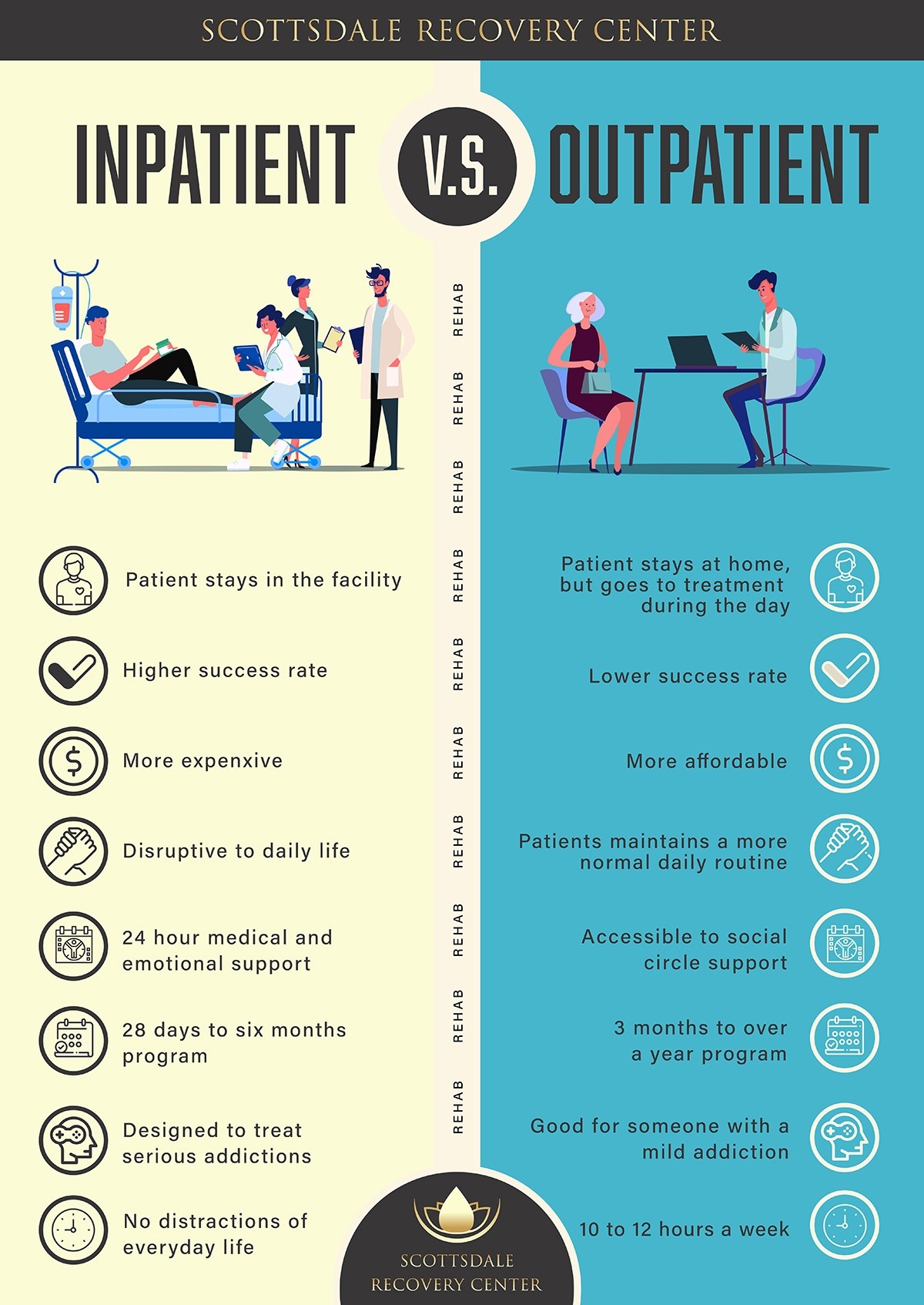
- Fits around daily life. You can keep working, caring for kids, or attending school while still getting treatment.
- Builds routine. Regular sessions create structure, which matters when substance use has disrupted your schedule.
- Supports step-down care. If you have finished detox or inpatient treatment, outpatient care can help you stay on track.
- Involves family when needed. Many programs include education or counseling that helps loved ones respond better.
The National Institute on Drug Abuse says treatment should match the person, the substance involved, and the level of risk. That is the real test. Not hype. Not branding.
How outpatient addiction recovery works at Grace to Change
Grace to Change offers outpatient treatment for people in or near McKinney who need regular clinical support without leaving home for weeks at a time. That can include counseling, recovery planning, and ongoing accountability. For some people, it is the first step. For others, it is a bridge after a higher level of care.
The structure is important because addiction rarely responds to good intentions alone. You need repetition. You need people who will notice when your progress stalls. Think of it like rehab for a knee injury. You do not fix the joint by wishing it better. You do the work, often in small sessions, until strength returns.
Outpatient care works best when it is consistent. If you wait for a crisis before showing up, the program loses much of its value.
Who may benefit most
Outpatient treatment can be a solid fit if you have stable housing, some daily support, and a willingness to attend sessions on a schedule. It may also help if you are trying to reduce use, prevent relapse, or re-enter recovery after a setback.
It may not be enough on its own if withdrawal risk is high, if you are medically unstable, or if your home environment makes sobriety hard to maintain. That is where a higher level of care can be the safer choice.
What to ask before you enroll
Before you commit to any outpatient addiction recovery program, ask plain questions. You are choosing care, not buying a mystery box.
- What level of outpatient care do you provide? Some programs offer standard counseling. Others include more frequent sessions or intensive outpatient treatment.
- Do you treat the specific substance I am dealing with? Alcohol, opioids, methamphetamine, and prescription drugs can require different approaches.
- How do you handle relapse? A good program should have a response plan, not just disappointment.
- Do you coordinate with medical care? If medication, mental health treatment, or detox support is needed, coordination matters.
- Can my family be involved? Recovery often improves when the household learns what helps and what hurts.
Those answers tell you a lot about the clinic’s depth. They also tell you whether the staff sees addiction as a chronic condition or just a willpower issue. That distinction is non-negotiable.
Why local access changes the odds
Access is not a side issue. It is the issue. If treatment is far away, hard to schedule, or too disruptive, people drop out. Local outpatient care in McKinney reduces that friction, which can be decisive during the first few weeks of recovery.
And there is another piece here that gets overlooked. Local programs can connect you to nearby support, from doctors to counselors to peer groups. That makes the plan less fragile. A recovery plan that depends on perfect conditions is a weak plan.
Grace to Change’s presence in the community gives people a nearby option that is easier to start and easier to keep using. That matters because the first appointment is not the finish line. It is the opening whistle.
Where outpatient care fits in the bigger recovery picture
Outpatient addiction recovery is one tool, not the whole toolbox. Some people need detox first. Some need residential treatment. Some need medication-assisted treatment, mental health care, or both. The best programs understand those overlaps and adjust instead of forcing everyone into the same lane.
That is especially true when depression, trauma, or anxiety sit next to substance use. Treat one and ignore the other, and you often miss the real engine of the problem. This is where integrated care can make a real difference.
Recovery is rarely a straight line. The programs that respect that reality usually do better work.
What to do next if you need help now
If you are considering Grace to Change or another outpatient option, start with the basics. Make one call. Ask about scheduling, services, and whether the program matches your situation. Then compare that answer with what you actually need today, not what you hope you will need someday.
If you are helping someone else, keep the conversation simple and specific. Offer to sit with them while they call. Help them write down questions. Small support can lower the panic enough to get started.
Outpatient addiction recovery in McKinney is not a shortcut. It is a practical route for people who need help now and cannot step away from life entirely. The real question is not whether treatment exists. It is whether you will use the option that fits before things get worse.
This article is for educational purposes only and should not be considered medical advice. Always consult a qualified healthcare provider before making decisions about addiction treatment. If you or someone you know is in crisis, call SAMHSA's National Helpline: 1-800-662-4357 (free, confidential, 24/7).