Opioid Addiction Medication Access Expands in Philly
Opioid Addiction Medication Access Expands in Philly If you or someone you love needs opioid addiction medication, the hardest part is often getting it fast…
Opioid Addiction Medication Access Expands in Philly
If you or someone you love needs opioid addiction medication, the hardest part is often getting it fast enough. In Philadelphia, access has too often depended on luck: which hospital you enter, which pharmacy stocks buprenorphine, and whether a telehealth appointment is open before withdrawal takes over. WHYY reports that hospitals, pharmacies, and virtual care providers are trying to close those gaps by bringing treatment closer to patients. That matters because fentanyl has made delay more dangerous, and missed handoffs can push people back to street opioids. Treatment works, but only if it starts when people are ready. The old model, detox first and wait for a specialty clinic, leaves too many people outside the door. This shift brings medication into places people already use. It is practical, overdue, and still uneven.
What changes for patients
- More care settings may start medication for opioid use disorder, including hospitals and community pharmacies.
- Telehealth can reduce travel barriers, especially for people without stable transportation or flexible work hours.
- Pharmacies matter because a prescription is useless if no one can fill it.
- Hospital discharge planning needs to include medication in hand, not only a referral sheet.
- Families should ask direct questions about buprenorphine, follow-up appointments, and pharmacy availability.
Why opioid addiction medication access is still spotty
WHYY’s reporting points to a simple truth that people in treatment have known for years. The system can agree that medication saves lives and still make it maddening to obtain. A patient may get a prescription in an emergency department, then discover the nearest pharmacy does not stock the drug or feels unsure about dispensing it.
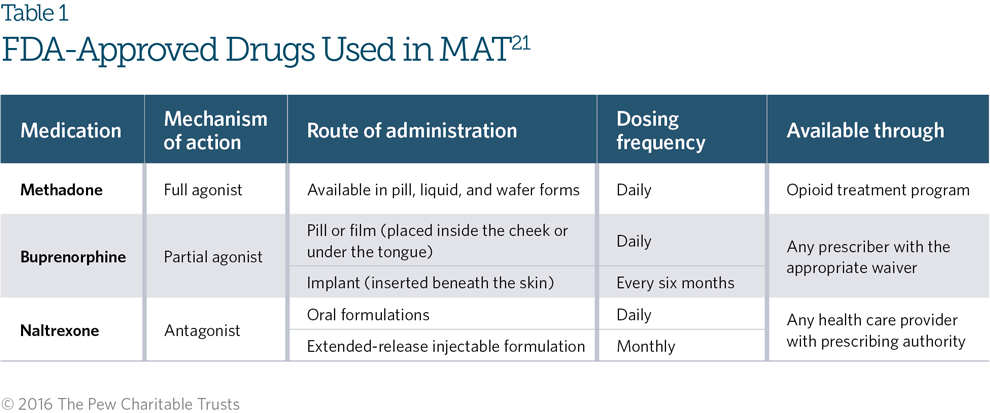
Buprenorphine is one of the main medications used to treat opioid use disorder. It reduces cravings and withdrawal, and it lowers overdose risk for many patients. Methadone and naltrexone also have roles, but buprenorphine is especially relevant here because it can be prescribed in more settings than methadone.
Speed saves lives.
That is not a slogan. It is a workflow problem. If a person leaves a hospital after an overdose or infection related to injection drug use, every hour without medication raises the chance that they will use again, especially if withdrawal starts on the ride home.
How opioid addiction medication fits into hospital care
Hospitals have become an awkward front door for addiction treatment. People arrive with overdoses, wounds, endocarditis, pregnancy complications, or severe withdrawal. Too often, they receive acute care, then get told to call a program later. What happens if later never comes?
The better model starts medication during the hospital visit and treats discharge like a relay race in track, not a polite goodbye. The next provider must be ready to take the handoff. That may mean a bridge clinic appointment, a telehealth visit within days, and a pharmacy that can fill the prescription before the patient runs out.
WHYY reports that Philadelphia-area health systems and pharmacies are exploring ways to expand medication access, including telehealth links and stronger pharmacy participation.
The best programs do not make patients prove they are perfect before care begins. They expect missed appointments, unstable housing, and relapse risk, then design around those realities. Honestly, that is what competent medicine should look like.
Pharmacies are the pressure point nobody can ignore
Pharmacies sit at the center of this story because they control the final step. A doctor can prescribe buprenorphine, but the patient still needs a pharmacist who has stock, understands the medication, and is willing to dispense it without stigma. That last piece is not small.
A pharmacy can also be a steady contact point. People may not return to the same hospital, but they often use the same neighborhood pharmacy. If pharmacists are trained, supported, and connected to prescribers, they can help patients stay on medication instead of slipping through thin cracks.
There are real constraints. Pharmacies face inventory rules, insurer delays, staffing shortages, and fear of regulatory attention. But those barriers should be managed at the system level, not dumped onto patients who are already sick.
Telehealth can help, but it cannot carry the whole load
Telehealth became a lifeline for addiction treatment because it removed one of the dumbest barriers in medicine: making sick people travel across town just to prove they deserve care. For opioid use disorder, virtual visits can help with quick starts, dose adjustments, counseling check-ins, and follow-up after hospital discharge.
Look, telehealth is not magic. Patients still need phones, privacy, internet access, identification, insurance coverage, and a pharmacy that will fill the medication. A video visit means little if the prescription stalls at the counter.
The strongest approach is hybrid care. Use telehealth for speed and continuity, then anchor it with local pharmacies, harm reduction programs, primary care offices, and recovery supports. Think of it like cooking in a busy kitchen: the recipe matters, but timing and station coordination decide whether dinner actually reaches the table.
What to ask if you need opioid addiction medication now
For patients and families, the system can feel opaque. You do not need to know every policy detail, but you do need direct answers before leaving a hospital, clinic, or telehealth appointment. Be plain and persistent (even if the conversation feels uncomfortable).
- Can I start buprenorphine today? If not, ask why and where you can start within 24 hours.
- Which pharmacy has it in stock? Ask the care team to confirm, not guess.
- How many days of medication will I receive? A tiny supply can create another crisis by the weekend.
- Who do I call if the pharmacy refuses or insurance blocks it? Get a name and number before discharge.
- What is the follow-up plan? Ask for the date, time, format, and backup option.
If you are supporting someone else, avoid turning the conversation into a courtroom. Ask what would make medication easier to keep taking. Transportation, shame, side effects, and fear of withdrawal all shape whether care sticks.
Why this expansion matters beyond Philadelphia
Philadelphia is not unique, which is exactly why this story matters. Cities across the country have hospitals that treat overdose after overdose while addiction medication remains separated from routine care. That split is clinical nonsense.
And it is expensive. Emergency departments, inpatient admissions, infections, ambulance runs, and jail cycling all cost more than timely treatment. Medication for opioid use disorder is not a soft intervention. It is standard medical care for a chronic condition.
This is where policymakers and health systems need to stop congratulating themselves for pilot programs and start measuring boring outcomes. How many patients leave with medication in hand? How many fill the prescription? How many get a follow-up visit within seven days? Those numbers tell the truth.
The next test is follow-through
The expansion WHYY describes is the right direction, but access will not improve by press release. Hospitals need discharge workflows that hold up at 9 p.m. on a Friday. Pharmacies need training and supply chains that match patient demand. Telehealth providers need tight links to local care, not distant scripts floating in the ether.
People with opioid use disorder have been told to wait for care for too long. The next practical step is simple: every hospital and clinic that treats overdose should be able to start medication, confirm a pharmacy fill, and schedule follow-up before the patient walks out. Anything less is a gap we already know how to close.
This article is for educational purposes only and should not be considered medical advice. Always consult a qualified healthcare provider before making decisions about addiction treatment. If you or someone you know is in crisis, call SAMHSA's National Helpline: 1-800-662-4357 (free, confidential, 24/7).