Omaha Volunteers Help Oklahoma Tornado Recovery
Omaha Volunteers Help Oklahoma Tornado Recovery After a tornado tears through a town, the headline usually fades long before the hard part ends. Families still…
Omaha Volunteers Help Oklahoma Tornado Recovery
After a tornado tears through a town, the headline usually fades long before the hard part ends. Families still need debris cleared, homes sorted, paperwork handled, and someone to show up when shock turns into exhaustion. That is why Oklahoma tornado recovery matters right now. It is not just about emergency response. It is about the slow, human work that follows.
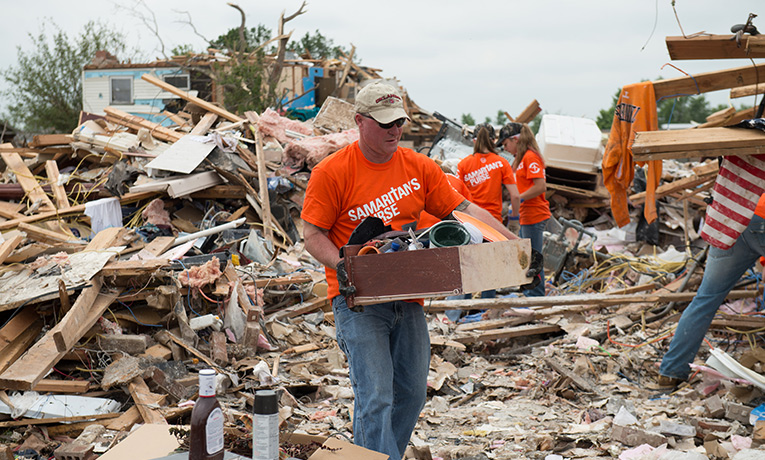
A recent KETV report focused on Omaha volunteers who traveled south to help Oklahoma families recover after an EF-4 tornado. Their effort says something bigger about disaster relief in the real world. Government aid matters. So do local agencies. But volunteer support often fills the gap between official help and what families actually face on the ground.
What stands out
- Omaha volunteers gave direct, hands-on support to families hit by an EF-4 tornado in Oklahoma.
- Oklahoma tornado recovery depends on cleanup, coordination, and sustained community help after media attention drops.
- Faith groups and volunteer teams can move fast, especially when families need labor more than promises.
- Recovery is emotional as much as physical, which makes family support a non-negotiable part of disaster response.
Why Oklahoma tornado recovery takes longer than people expect
Storm damage looks obvious in photos. Recovery does not. You can see a collapsed roof in one glance, but you cannot see the weeks of sorting ruined belongings, fighting insurance delays, finding temporary housing, and helping kids feel safe again.
That is where many disaster plans get thin. Emergency crews handle rescue and immediate danger. After that, families face a mess that is part construction project, part paperwork drill, and part mental health strain. Think of it like rebuilding a kitchen after a fire while still trying to cook dinner every night. The work never arrives one piece at a time.
And that is exactly why volunteer crews matter.
What the Omaha volunteers actually provided
According to KETV, volunteers from Omaha went to Oklahoma to help families recover after the EF-4 tornado. The report centers on direct service, which is often the most useful kind. Not speeches. Not photo ops. Labor.
That can include clearing trees, removing damaged materials, sorting salvageable items, delivering supplies, and helping residents take the first practical steps toward stability. For families staring at shattered homes, even a few extra sets of hands can change the week.
Volunteer disaster relief works best when it solves the next real problem in front of a family, not when it chases feel-good optics.
Look, there is a reason these trips leave such a mark. People remember who showed up with gloves, trailers, bottled water, and time.
Why family support belongs at the center of tornado recovery
Disaster coverage often focuses on structures, wind speed, and damage estimates. Fair enough. But homes are not the same as families. Recovery gets harder when parents are overwhelmed, children are displaced, or older adults lose medication, transportation, or daily support.
That is why the best relief work includes more than debris removal. It also supports routine, dignity, and decision-making. A volunteer who helps clear a driveway may also give a family enough breathing room to call an insurer, contact a school, or sleep for a few hours without panic.
What does real support look like?
- Helping with cleanup so families can focus on urgent choices.
- Bringing supplies people need immediately, such as water, hygiene items, and work gear.
- Connecting residents with churches, shelters, or aid groups that will still answer the phone next week.
- Reducing isolation, which can hit hard after a disaster (especially in rural or heavily damaged areas).
What this says about volunteer disaster response
There is a stubborn myth that volunteer relief is loose and secondary. Honestly, that misses the point. In many disasters, volunteer groups are fast because they are simple. They do not need three layers of approval to haul debris or deliver meals.
That does not mean volunteers replace FEMA, state agencies, or local emergency management. They do not. But they often handle the gritty middle layer of recovery, where needs are urgent, personal, and not easily solved by a form.
Where volunteer groups make the biggest difference
- Neighborhood cleanup in the first days and weeks
- Basic supply distribution
- Support for older adults or families with limited mobility
- Connections to local recovery networks
- Encouragement that keeps people engaged with the long process ahead
That last point matters more than people admit. Recovery can stall when families feel buried by the scale of loss.
The emotional side of Oklahoma tornado recovery
The KETV story quotes the response as “overwhelming,” and that word fits. Tornado recovery is often chaotic, loud, muddy, and emotionally raw. Families are making decisions while tired, grieving, and trying to stay functional.
Research from groups such as the Substance Abuse and Mental Health Services Administration has long shown that disasters can intensify stress, anxiety, sleep problems, and depression. Children may struggle too. So may first responders and volunteers. The damage pile is visible. The mental load often is not.
But practical help can steady people faster than abstract reassurance. Clear one room. Save a few keepsakes. Find a dry place to sit. Small wins count.
Lessons other communities should take from this story
This is the useful part. If you are part of a church, mutual aid network, neighborhood group, or local nonprofit, the Omaha effort offers a plain model to follow.
- Go where the need is specific. General goodwill helps less than targeted work.
- Bring labor and supplies. Families often need muscle before they need strategy decks.
- Coordinate with local groups. Outside volunteers are far more effective when local leaders point them to the right homes and tasks.
- Plan for the second week. Attention spikes early, then drops. Needs do not.
- Respect the family’s lead. People in crisis still deserve control over their property and decisions.
One more thing. Communities should treat long-tail recovery as a public health issue, not only a rebuilding issue. Housing instability, stress, disrupted routines, and financial strain can ripple for months.
What readers can do if they want to help
If this kind of story moves you, skip the vague impulse and get concrete. Ask what local or regional groups need right now. Is it money, cleanup tools, volunteer hours, fuel cards, diapers, or storage bins? The answer changes by the week.
Start here:
- Check verified local relief groups and community organizations
- Donate cash when logistics are already in place
- Volunteer for cleanup only through organized channels
- Offer skilled help if you have it, such as construction, counseling, translation, or case management
- Follow up after the cameras leave
That last step separates a passing reaction from real support.
After the headlines
The Omaha volunteers in Oklahoma did more than lend a hand. They showed what effective disaster help actually looks like. It is immediate, practical, and centered on families instead of symbolism.
Storms will keep testing communities across the Plains. The real question is whether more towns, churches, and civic groups will treat Oklahoma tornado recovery the way it deserves to be treated, as long-haul work that needs stamina, not just sympathy.
This article is for educational purposes only and should not be considered medical advice. Always consult a qualified healthcare provider before making decisions about addiction treatment. If you or someone you know is in crisis, call SAMHSA's National Helpline: 1-800-662-4357 (free, confidential, 24/7).