Why Oklahoma Prisons Are Switching from Vapes to Nicotine Pouches
Why Oklahoma Prisons Are Switching from Vapes to Nicotine Pouches Oklahoma just yanked e-cigarettes from state prisons and flooded commissaries with nicotine…
Why Oklahoma Prisons Are Switching from Vapes to Nicotine Pouches
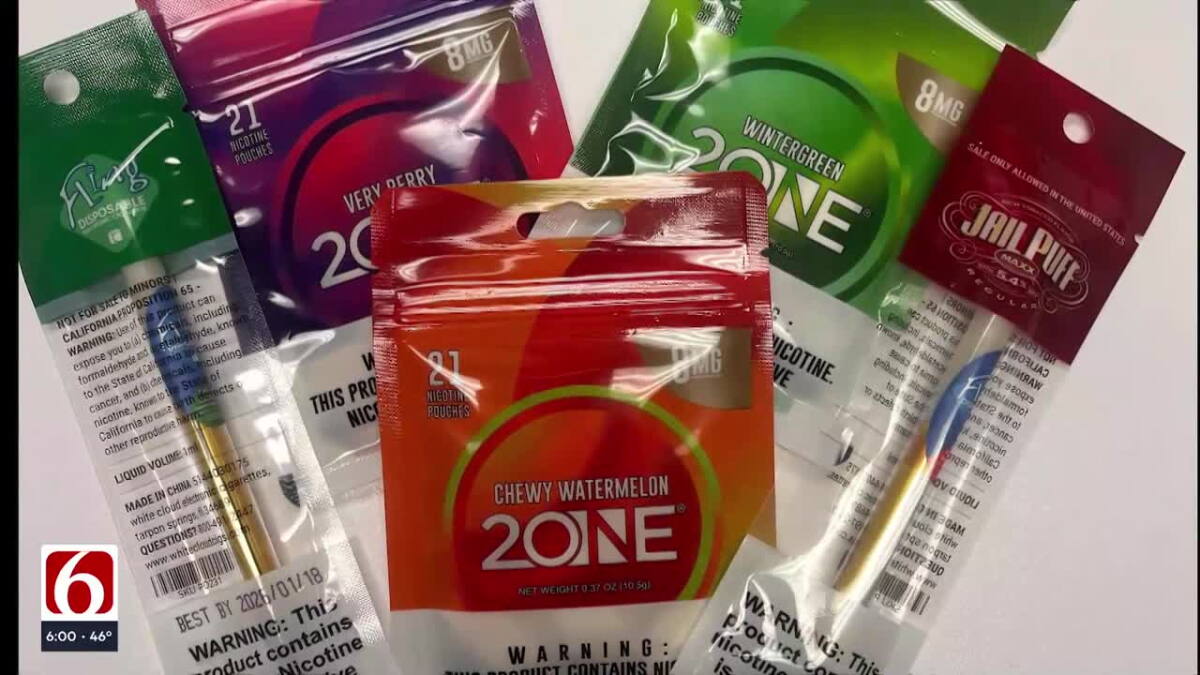
Oklahoma just yanked e-cigarettes from state prisons and flooded commissaries with nicotine pouches in their place. For people inside who lean on nicotine to manage stress, that change lands hard and fast. The state claims the goal is safety and order, but the rollout shows how nicotine pouches in prisons can reshape revenue, health risks, and contraband markets overnight. As a reporter who has watched correctional systems test every nicotine fad, I see this as a case study in who pays, who profits, and whether harm actually drops. Why should you care? Because policy tweaks like this ripple into families’ budgets, staff workload, and public health, and other states are watching.
What matters now
- Vapes are banned statewide; commissaries now sell pouches as the sanctioned nicotine option.
- Prices run higher than street costs, shifting the financial load onto families.
- Officials pitch safety, but the black market is already adapting.
- Health outcomes are uncertain without independent oversight or data.
Nicotine pouches in prisons: the policy pivot
The Department of Corrections framed the move as a security win, citing vape batteries that can hide contraband or spark fires. It sounds tidy, but data backing those claims remains thin. Agencies in other states have managed battery risks with tighter controls rather than bans.
Swapping one nicotine source for another without transparency turns policy into a guessing game for everyone living the consequences.
Nothing about this shift feels accidental.
By cutting off vapes and pushing pouches, the state redirects demand into a product it can tax and track. Think of it like a coach swapping playbooks mid-season: the players adjust, but the scoreboard still decides whether the call made sense.
Health stakes and harm reduction
Pouches remove combustion and vapor, which should lower respiratory irritation. But the nicotine load remains high, and pouch products vary in strength. Without independent testing, people inside are effectively trial subjects. You can see the harm reduction logic, yet the execution lacks basic guardrails like ingredient disclosures or counseling access.
And what happens to people trying to quit? The ban wiped out a tapering option for those who used lower-nicotine vape pods. A sudden switch to stronger pouches can raise dependence instead of easing it.
Economics of nicotine pouches in prisons
Follow the money and the picture sharpens. Commissary markups mean a can of pouches costs well above retail, so families cover the gap. Staff still face trade-offs: time spent policing pouches and dip tins instead of de-escalation work. If the goal is to cut contraband, will the market simply pivot to loose tobacco or DIY vapor rigs? That cat-and-mouse cycle rarely ends.
I’ve seen prisons claim revenue offsets rehabilitation, yet funding for cessation programs or mental health often lags. Why not earmark a slice of pouch revenue for nicotine replacement therapy that is medically guided?
Security claims versus lived reality
Supporters argue that pouches remove batteries and vape parts that can hide drugs. True, but pouches can be infused too. Without baseline incident data, it is hard to credit the security win. Staff training and search protocols matter more than swapping product labels.
Another wrinkle: pouches are easy to mail and stash. That could amplify smuggling rather than curb it. Are officials ready for that pivot?
What better policy would look like
- Publish incident data on fires, contraband finds, and medical visits tied to nicotine products.
- Offer medically supervised nicotine replacement alongside pouches, not after.
- Cap commissary markups and disclose ingredient lists and nicotine levels.
- Invite independent health researchers to audit outcomes after six and twelve months.
A practical fix could blend lower-risk products with actual cessation support. That is the balanced path families keep asking for.
Closing move
States copy each other’s prison policies like teams borrowing plays. If Oklahoma proves that pouches cut harm without gouging families, others will jump. If the black market flourishes and health data stays hidden, this ban will look like a cash grab. Which storyline do you think wins?
This article is for educational purposes only and should not be considered medical advice. Always consult a qualified healthcare provider before making decisions about addiction treatment. If you or someone you know is in crisis, call SAMHSA's National Helpline: 1-800-662-4357 (free, confidential, 24/7).