Inside North Carolina’s New Behavioral Health Hospital and What It Means for Care
Inside North Carolina’s New Behavioral Health Hospital and What It Means for Care Eastern North Carolina has waited years for expanded mental health beds, and…
Inside North Carolina’s New Behavioral Health Hospital and What It Means for Care
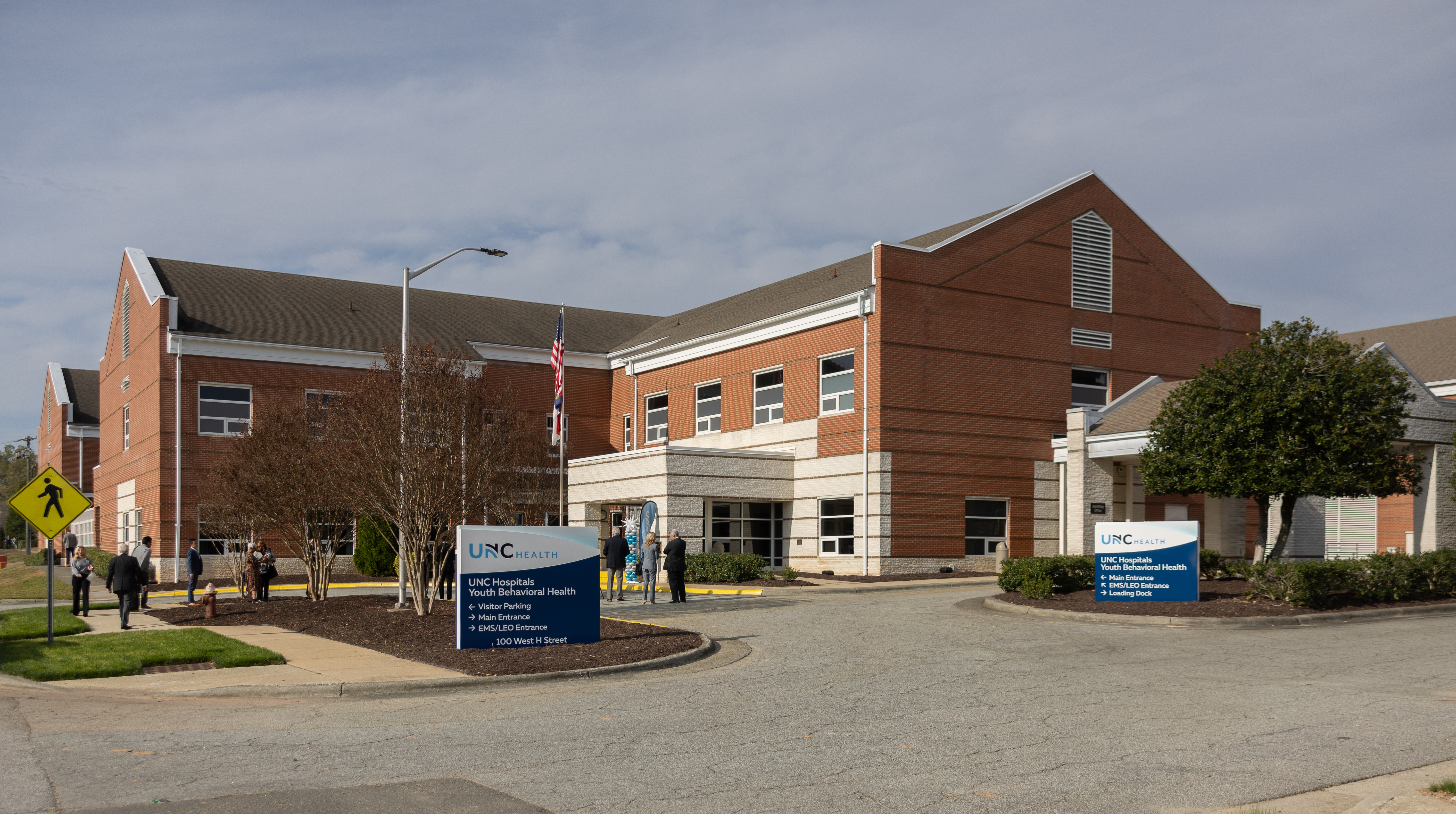
Eastern North Carolina has waited years for expanded mental health beds, and the new ECU Health behavioral health hospital finally gives families a closer option. The facility sits in Greenville with 150 beds built for acute behavioral health care. It is designed to keep patients near home instead of sending them hours away. This behavioral health hospital North Carolina project arrives as overdose deaths and youth crises keep rising, and the state needs capacity that matches the surge. I toured early plans, spoke with clinicians, and watched politicians try to claim credit; the real test is whether this place shortens wait times and eases ER backlogs.
Why This Behavioral Health Hospital North Carolina Project Matters Now
- 150 beds target adult and adolescent psychiatric care to shrink transfer delays.
- Public-private funding aims to stabilize rural access without exhausting county budgets.
- Design pairs inpatient care with step-down services to cut readmissions.
- Training space for nurses and psychiatrists addresses workforce shortages.
What Sets the Behavioral Health Hospital North Carolina Facility Apart
The building leans on a hub-and-spoke model: Greenville anchors care, satellite clinics handle follow-up. Think of it like a solid offensive line protecting the quarterback; the hospital blocks acute crises while outpatient teams move patients downfield. Private rooms, light-filled common areas, and secure courtyards give patients dignity without compromising safety. But the standout feature is the co-located assessment center meant to divert behavioral health cases from emergency rooms.
Capacity without coordination is a half measure, and the state cannot afford half measures on mental health anymore.
One hospital cannot fix every gap.
Staffing is the swing factor. Leaders promise competitive pay and rotations with East Carolina University’s training programs to keep psychiatrists, nurses, and social workers local. If they cannot hold talent, the beds become empty furniture.
How the Behavioral Health Hospital North Carolina Design Tackles Real Bottlenecks
Emergency departments in Greenville, New Bern, and rural counties often hold psychiatric patients for days. The new assessment center should pull those patients into specialized care within hours. That cuts boarding times and gives ER teams their stretchers back. The hospital also sets aside adolescent beds, a category that routinely ends up out of state.
And what about transportation? Ambulance crews currently shuttle patients across the state. With this site, transfers shorten, costs drop, and families can visit without missing work. That proximity is not just convenient; it improves outcomes because family involvement keeps patients on treatment plans.
Metrics to Watch
- Average ER boarding time for psychiatric patients before and after the hospital opens.
- Readmission rates within 30 days for discharged patients.
- Staff vacancy and turnover trends over the first 18 months.
- Number of adolescent transfers kept in-state.
Funding Reality and Accountability
The facility blends state funds, health system dollars, and federal grants. That mix spreads risk but also muddies accountability. Who owns success if wait times stay high? Lawmakers tour ribbon cuttings, but counties carry the fallout when services lag. Public dashboards should post monthly metrics, not annual summaries. Transparency keeps hype in check.
Look, I have seen projects like this stall because community providers are left out. County clinics need referral protocols and shared records, or patients bounce between systems. A secure health information exchange is promised; it must arrive on day one, not as a future upgrade.
What Patients and Families Should Expect
Patients will see faster intake, specialized psychiatric teams, and coordinated discharge plans with outpatient clinics. Families should get predictable visiting hours and clear medication education before discharge. That sounds basic, yet too many hospitals skip it. The new site plans family rooms and digital scheduling for follow-up visits. If delivered, those touches keep care from feeling like a black box.
Think of recovery as building a house. Inpatient care lays the foundation, but outpatient therapy, medication management, and peer support frame the walls. Miss a beam and the structure wobbles.
Open Questions the State Cannot Ignore
What happens when flu season spikes and staffing thins? Will travel nurses fill the gap, or does the system accept reduced capacity? Will Medicaid reimbursement match the cost of intensive adolescent care? And how will rural sheriffs, who often transport patients, get reimbursed for fewer but shorter trips? These questions deserve answers before the grand opening fanfare fades.
Reality Check on Timelines
Construction timelines look solid, but the operational lift is harder. Training, IT integration, and referral pipelines decide success. If electronic records are not shared cleanly with community clinics, patients will repeat intake questions and medication lists, eroding trust. Officials say go-live will include EHR links to regional providers. I will hold them to that.
The Forward Edge
This hospital is a necessary step, not a finish line. Use it to pilot mobile crisis teams, to train more psychiatrists, and to collect data that proves what works. If leadership keeps reporting blunt, verifiable numbers, the facility could become the template for other regions. Will North Carolina choose that level of honesty?
This article is for educational purposes only and should not be considered medical advice. Always consult a qualified healthcare provider before making decisions about addiction treatment. If you or someone you know is in crisis, call SAMHSA's National Helpline: 1-800-662-4357 (free, confidential, 24/7).