Non-Invasive Brain Stimulation for Alcohol Use Disorder
Non-Invasive Brain Stimulation for Alcohol Use Disorder People with alcohol use disorder are often told to rely on willpower, therapy, or medication alone.…
Non-Invasive Brain Stimulation for Alcohol Use Disorder
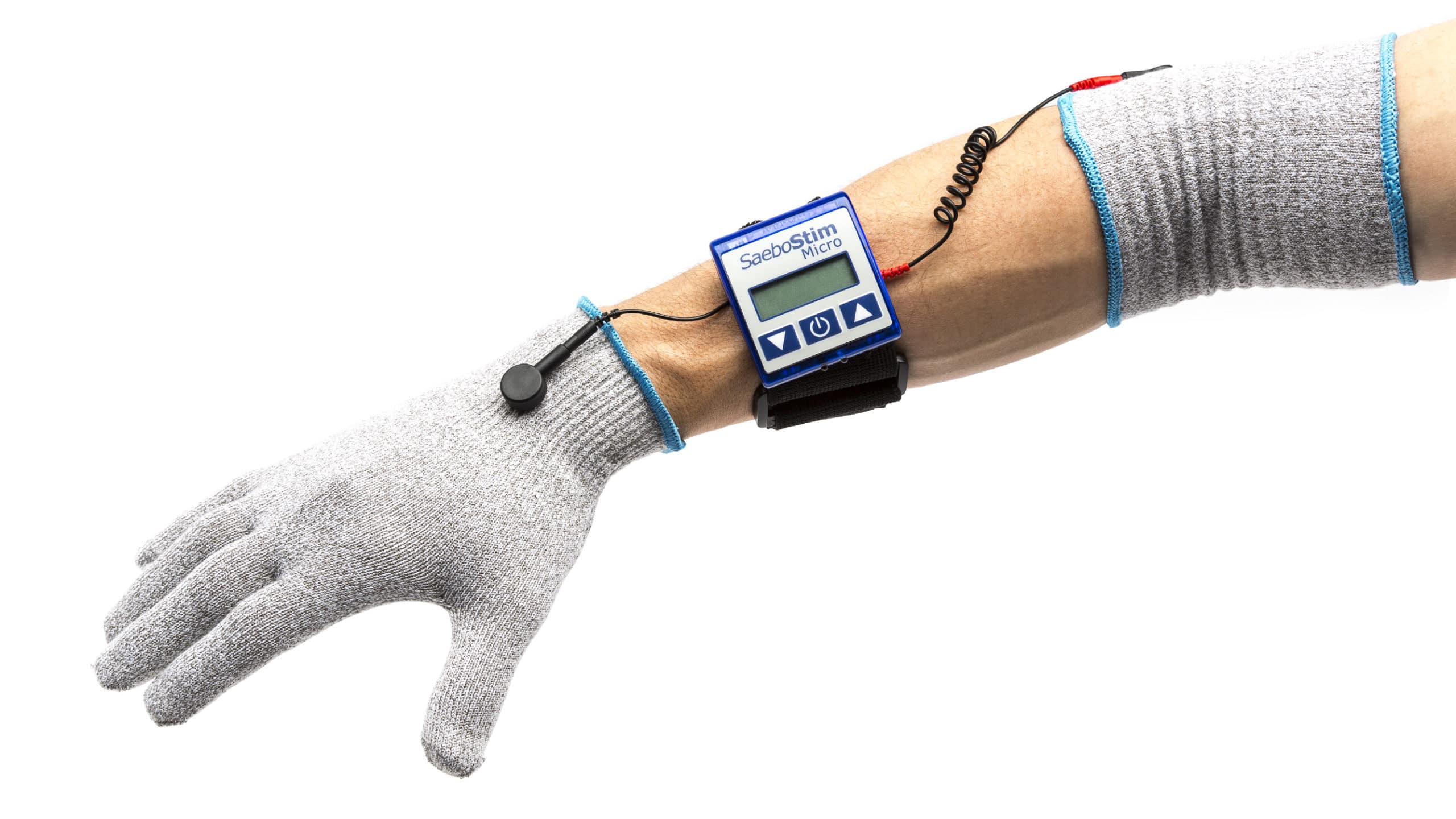
People with alcohol use disorder are often told to rely on willpower, therapy, or medication alone. That misses a bigger problem. The brain circuits tied to craving, self-control, and reward can get stuck in a pattern that is hard to break. That is why non-invasive low-power electrical stimulation has drawn attention. It aims to nudge those circuits without surgery, implants, or heavy sedation. The new trial highlighted by the Brain & Behavior Research Foundation suggests this approach may modulate brain circuitry involved in alcohol use disorder. That is a promising signal, not a cure. But if you care about practical treatment options, it matters now because people need more tools, not more hype. So what did the study actually show, and where does this fit in real care?
What the trial found
- The study used non-invasive, low-power electrical stimulation to affect brain activity linked to alcohol use disorder.
- Researchers reported changes in brain circuitry, which is the first step before any claim about treatment benefit.
- The approach is appealing because it avoids surgery and can be easier to test in outpatient settings.
- The results point to a possible new treatment path, but they do not prove long-term recovery gains.
Look, this is the part that matters: brain modulation is not the same thing as behavior change. A scanner can show shifted activity patterns. Your daily choices, cravings, sleep, stress, and drinking triggers still sit on top of that biology.
“Modulating circuitry is a real scientific target. Turning that into durable recovery is the harder job.”
How non-invasive brain stimulation works
Non-invasive electrical stimulation uses weak currents delivered through the scalp. Depending on the device and protocol, the goal is to change excitability in targeted brain regions. Think of it like tuning a radio dial, not replacing the whole radio. The signal does not rebuild the brain. It tries to make certain networks easier or harder to activate.
For alcohol use disorder, researchers often focus on areas involved in impulse control and reward processing, including prefrontal circuits. Why those areas? Because many people with alcohol problems know the consequences and drink anyway. That gap between knowledge and action is where circuitry matters.
Why this mainKeyword matters for treatment research
Non-invasive low-power electrical stimulation matters because it could fit into a broader treatment plan. Medications like naltrexone and acamprosate help some people. Therapy helps many others. But response rates vary, and relapse remains common. A tool that can adjust brain responsiveness without an operation could fill a real gap if larger trials confirm the effect.
Who might benefit most?
- People who have not responded well to standard care.
- Patients who want a non-drug option alongside therapy.
- Research settings that need a safer way to probe brain circuitry.
That said, no serious clinician should treat this as a stand-alone fix. Would you expect a single workout to rebuild an entire season of fitness? Of course not. The same logic applies here.
What the study does not prove
One trial is not a verdict. It is a data point. The biggest questions are still open: How long do the effects last? Which patients respond? Does circuit change translate into fewer drinking days, fewer heavy drinking episodes, or better retention in treatment? Those are the outcomes that matter in the real world.
There is also a difference between biological signal and clinical value. A finding can be statistically clean and still be too small to matter to patients. Or it can look promising in a controlled setting and fade once real-life stress enters the picture. That is why replication is non-negotiable.
Where this fits in the larger addiction field
The addiction field has seen plenty of flashy ideas lose steam. This one deserves attention because it is grounded in a clear mechanism and uses a low-burden delivery method. It is not magic. It is more like an architect adjusting load-bearing supports before the structure shifts. Small changes can matter, but only if the foundation is solid.
For now, the best use of this research is as a guide for larger studies. Researchers can refine stimulation targets, test dose and timing, and combine stimulation with counseling or medication. That combination approach may be the real prize.
What you should watch next
- Longer follow-up periods to see if brain changes hold.
- Clinical outcomes, not just imaging or physiology.
- Clear comparisons with standard treatment alone.
- Safety data across different patient groups.
- Whether stimulation works better before or after therapy sessions.
If you are following addiction research, keep your eye on the gap between circuit science and bedside care. That gap is where most promising ideas stall. But it is also where the next useful treatment could emerge. The real question is simple: can this approach move from interesting brain data to fewer relapses and better lives?
Where this goes next
The smart move is not to oversell the finding. It is to test it hard. If future trials show that non-invasive low-power electrical stimulation improves drinking outcomes in a durable way, it could become a meaningful add-on to existing care. If not, it still teaches researchers something useful about which brain circuits matter most. Either way, the field needs more signal and less noise.
This article is for educational purposes only and should not be considered medical advice. Always consult a qualified healthcare provider before making decisions about addiction treatment. If you or someone you know is in crisis, call SAMHSA's National Helpline: 1-800-662-4357 (free, confidential, 24/7).