Nitrous Oxide Ban: What the New Rules Mean
Nitrous Oxide Ban: What the New Rules Mean If you have heard people call nitrous oxide “laughing gas,” you may think the risk is overblown. It is not. The…
Nitrous Oxide Ban: What the New Rules Mean
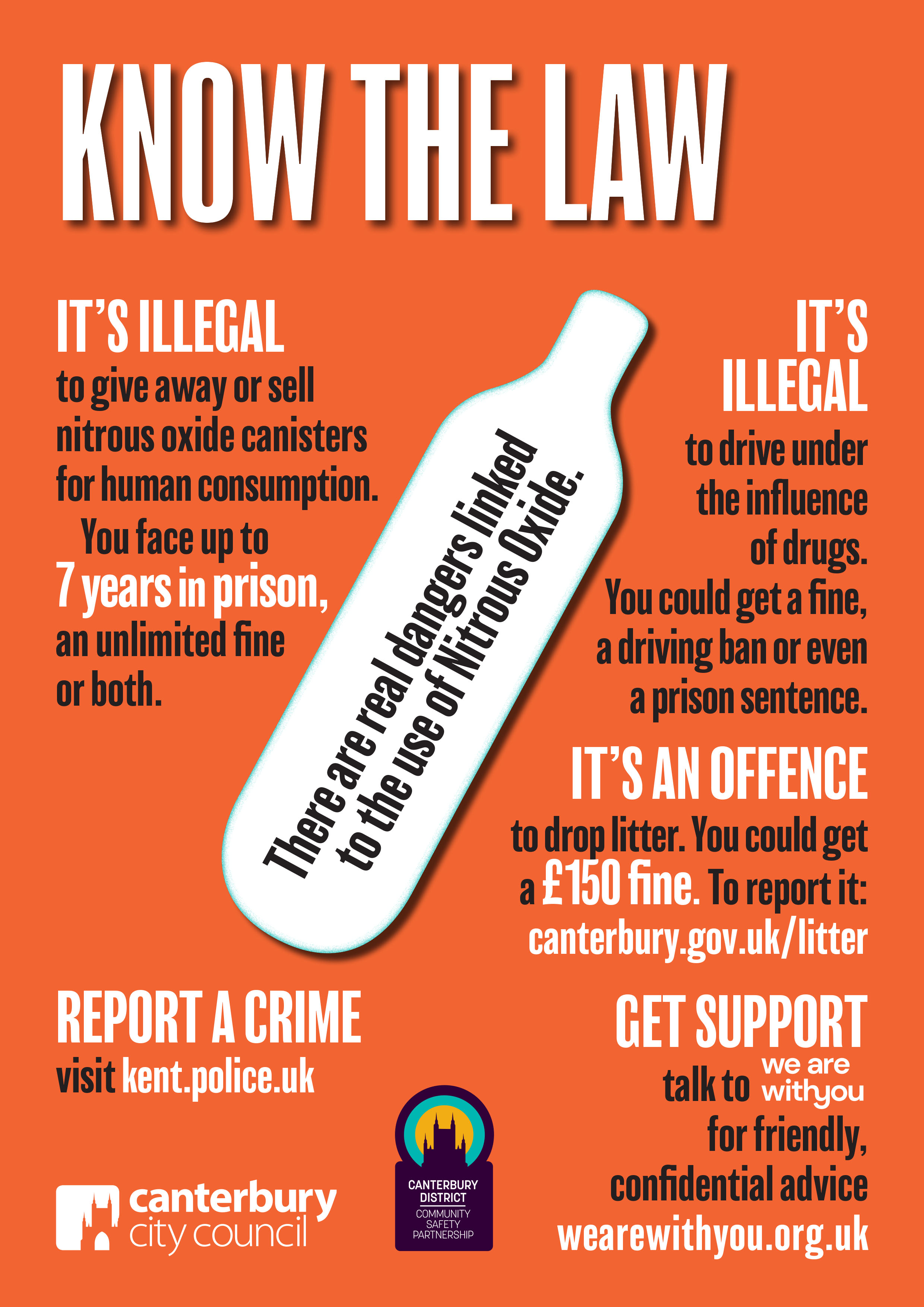
If you have heard people call nitrous oxide “laughing gas,” you may think the risk is overblown. It is not. The nitrous oxide ban changes how the drug is sold, possessed, and used, and that matters because use has moved well beyond party talk. It shows up at festivals, in parks, on streets, and in homes where people do not always see the danger until someone gets hurt.
The new rules also raise a hard question. Do tighter laws reduce harm, or do they push a risky drug further underground? That is the real issue here. And if you care about young people, public health, or drug policy, you need a plain read on what has changed and what has not.
Look, this is not just about one substance. It is about how the state responds when a cheap, easy-to-buy drug becomes a visible nuisance and a real health problem.
What the nitrous oxide ban changes
- Recreational possession and supply are restricted. The law is aimed at stopping casual use and street dealing.
- Retail sales now face tighter controls. Products sold for food use or medical settings are treated differently from recreational supply.
- Police get clearer powers. That matters for enforcement, but it also raises questions about consistency on the street.
- Health risks are being pushed into the open. The ban has forced more public talk about nerve damage, falls, and oxygen deprivation.
The BBC report on the change shows why governments have moved. Nitrous oxide is cheap, portable, and easy to inhale. That makes it attractive. It also makes it dangerous in ways people often ignore.
Why the nitrous oxide ban happened now
Drug policy rarely moves fast. This one did not arrive out of nowhere, though. Public complaints, medical warnings, and visible litter from canisters helped build pressure for action. The pattern is familiar. A drug spreads, the harms become harder to dismiss, and lawmakers step in after the damage is already visible.
Doctors have long warned that repeated use can lead to vitamin B12 depletion and nerve injury. Some users recover. Some do not. That gap matters. It means the conversation cannot stay stuck on whether the drug is “soft” or “hard.”
The ban is a policy response, not a cure. If demand stays high, people will keep looking for access, and the market will adapt.
What the nitrous oxide ban means for you
If you use nitrous oxide socially, the legal risk is now much higher. If you work with young people, the conversation shifts too. You are no longer dealing only with a joke drug or a party trend. You are dealing with a substance that can cause real harm and now carries a different legal profile.
Parents and carers should also pay attention to the signs. Empty chargers, balloons, unexplained dizziness, and sudden numbness are not harmless quirks. They can point to frequent use. Why wait for a crisis when the clues are already there?
For local services, the job gets tougher. Enforcement can reduce open use in some places, but it can also make outreach harder. People who feel watched do not always seek help. That is the tension at the center of this policy.
How to talk about it without panic
- Stick to facts. Say what the drug does and what the risks are.
- Avoid scare tactics. Young people tune those out fast.
- Ask direct questions. Have they seen canisters, balloons, or friends using?
- Know the medical red flags. Numbness, weakness, balance problems, and confusion need attention.
This is a bit like fixing a leaking roof after the ceiling has already stained. You still need the repair, but you also need to find out why water kept getting in. The ban handles access. It does less for the deeper reasons people use the drug in the first place.
Does the nitrous oxide ban work?
That depends on what you expect it to do. If the goal is to cut visible sales and make casual possession riskier, the ban may help. If the goal is to eliminate use, that is a bigger ask. Drug bans rarely erase demand. They change how demand shows up.
Public health evidence on drug enforcement is mixed across substances. Cocaine, cannabis, and opioids all show the same basic lesson. Supply controls can matter, but they work best when paired with education, treatment access, and targeted outreach. Strip away the support, and the law becomes a blunt tool.
The smarter question is not whether the ban is tough enough. It is whether it reduces harm without making the problem harder to see.
What to watch next
The next phase will tell you a lot. Watch for enforcement patterns, hospital cases, and whether sellers move to new channels online or through informal networks. Watch, too, for whether public health teams get more room to educate people, or less.
Here is the thing. A policy like this is never just about one gas canister. It is about how quickly a society notices harm, and what it does once the harm is obvious. If the numbers do not fall, will lawmakers adjust the approach, or double down and hope the market folds?
What comes after the ban
The real test starts now. If you want fewer injuries, fewer arrests, and fewer people using nitrous oxide in risky ways, the next move should be smarter outreach, clear enforcement, and honest health messaging. Anything less feels tidy on paper and messy in real life.
That is where the policy will live or die. On the ground. Not in the press release.
This article is for educational purposes only and should not be considered medical advice. Always consult a qualified healthcare provider before making decisions about addiction treatment. If you or someone you know is in crisis, call SAMHSA's National Helpline: 1-800-662-4357 (free, confidential, 24/7).