New Berlin Addiction Recovery Facility Debate
New Berlin Addiction Recovery Facility Debate The New Berlin addiction recovery facility debate is not just about one building. It is about how a community…
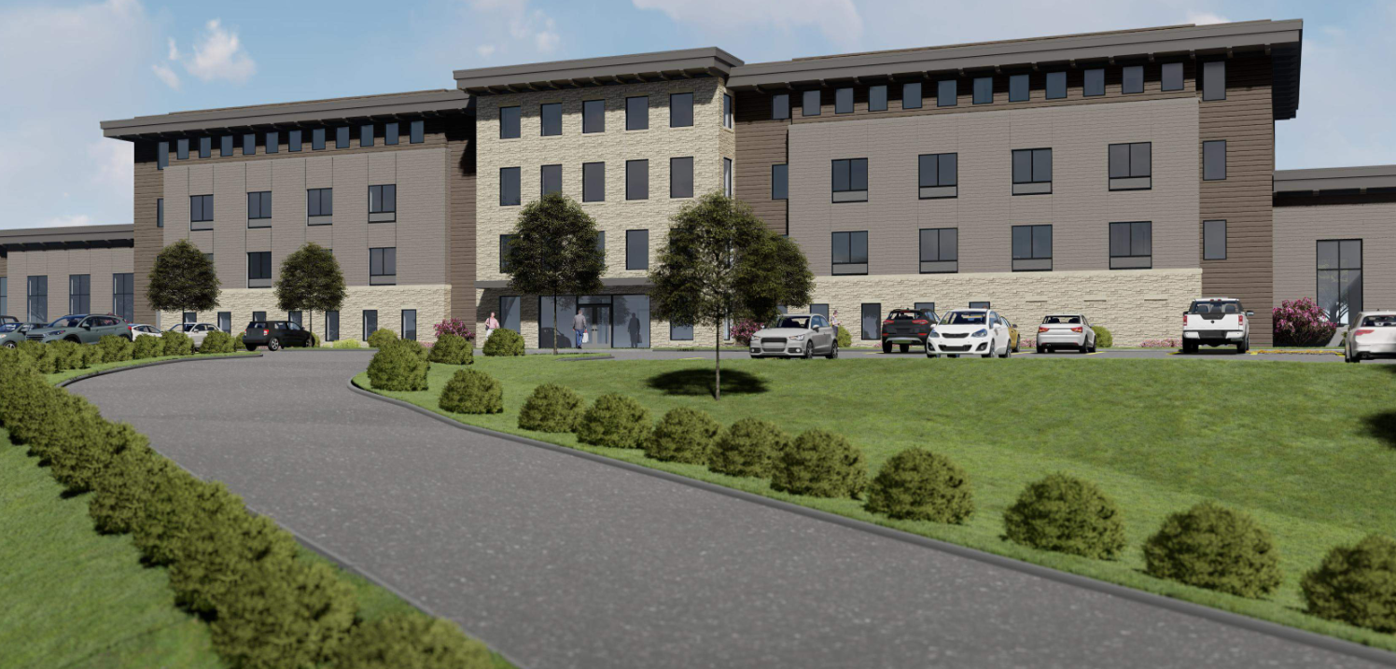
New Berlin Addiction Recovery Facility Debate
The New Berlin addiction recovery facility debate is not just about one building. It is about how a community weighs public safety, treatment access, and neighborhood change at the same time. That tension is real, and it matters now because cities and suburbs across the country are being asked to make room for recovery services while residents worry about disruption, property values, and daily life. If you live near a proposed site, you probably want a straight answer. Will the facility help people recover, or will it create problems that get ignored until after approval? That is the question officials have to answer, and they need to do it with facts, not fear.
What matters most in the New Berlin addiction recovery facility debate
- Access to care: People in treatment need beds, staff, and follow-up services close to home.
- Neighborhood impact: Residents want clear plans for traffic, security, and property management.
- Program quality: A recovery facility should have licensed clinicians, defined rules, and a real discharge plan.
- Local accountability: Zoning, inspections, and public oversight matter after the ribbon cutting.
Why this kind of project gets so much pushback
People often hear “recovery facility” and picture something vague. That creates anxiety fast. Some neighbors worry about loitering, noise, or unpredictable behavior. Others think every treatment site brings the same risks, which is not true. A residential program, an outpatient clinic, and a detox center serve different needs and have different footprints.
Look, that distinction is non-negotiable. A facility with 24-hour staffing and clear intake rules is not the same as an unsupervised building. Cities that explain those differences early tend to avoid the worst kind of public panic.
“The real issue is not whether a recovery site exists. It is whether the site is designed, staffed, and enforced well enough to do the job without dumping problems on the block.”
How to judge a New Berlin addiction recovery facility proposal
If you are trying to make sense of the proposal, start with the basics. Who will live or receive care there? How many people? What services will happen onsite? And what happens if someone relapses or needs a higher level of care?
- Check the license and operator history. Ask whether the provider has state licensure, prior violations, or closure records.
- Review staffing plans. A serious program should describe clinical coverage, overnight supervision, and emergency response.
- Look at the site design. Parking, entrances, lighting, and fencing can reduce friction with neighbors.
- Ask for data, not promises. Request occupancy limits, incident reporting rules, and complaint procedures.
- Follow the discharge plan. Good treatment does not end at the door. It should connect people to housing, counseling, and follow-up care.
New Berlin addiction recovery facility concerns, answered plainly
Will this bring crime?
Not automatically. Recovery facilities are not magnets for crime just because they serve people with substance use disorders. But poor management can create real problems. That is why local officials should require staffing, security protocols, and written standards for visitor access.
Will this lower property values?
There is no simple answer. Some studies on treatment and supportive housing find little long-term harm when sites are well run, but results vary by property type, location, and program quality. The safer claim is narrower. A poorly managed facility can hurt a block. A well-run one often fades into the background.
Why not place it somewhere else?
Because treatment access is always political until someone needs it. Then distance matters. If the nearest bed is hours away, families pay the price in missed care and lost momentum. Recovery is more like scheduling a surgery than opening a storefront. Timing, location, and follow-through all matter.
And here is the part people skip: communities already host many health services without calling them controversial. Behavioral health should not be treated as a special case just because it makes people uneasy.
What local leaders should do next
Good policy is boring. That is a compliment. Leaders should spell out occupancy limits, inspection rules, staffing expectations, and complaint channels before a facility opens. They should also commit to reviewing the site after launch, not just before approval.
Residents deserve that much. So do people trying to recover.
If New Berlin wants a fair process, it should ask one simple question before voting: does this proposal reduce harm more than it adds? That is the standard. Anything weaker is politics dressed up as planning.
A practical next step for residents
If you live near the proposed site, ask for the operator’s license, staffing plan, and emergency procedures. If officials will not release those details, press them on why. A serious New Berlin addiction recovery facility should be able to explain how it will work on day one, week one, and month six. What happens after the attention fades? That is where the truth usually shows up.
This article is for educational purposes only and should not be considered medical advice. Always consult a qualified healthcare provider before making decisions about addiction treatment. If you or someone you know is in crisis, call SAMHSA's National Helpline: 1-800-662-4357 (free, confidential, 24/7).