Methamphetamine Withdrawal Symptoms and What Helps
Methamphetamine Withdrawal Symptoms and What Helps If you are dealing with methamphetamine withdrawal symptoms, you are probably looking for two things right…
Methamphetamine Withdrawal Symptoms and What Helps
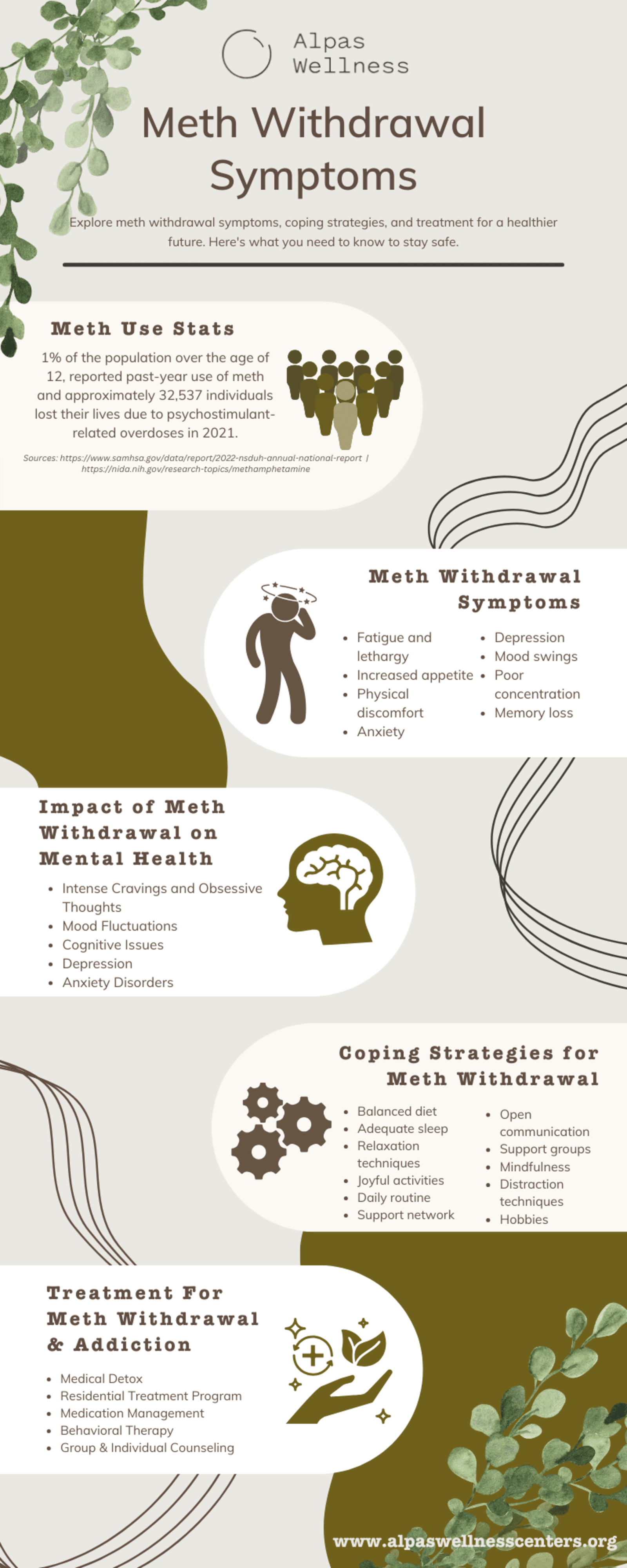
If you are dealing with methamphetamine withdrawal symptoms, you are probably looking for two things right now. You want to know what is normal, and you want to know what helps. That matters because the crash after meth use can feel sharp and disorienting, and the first few days can push people back to use if they do not have support. The methamphetamine withdrawal symptoms people report most often include fatigue, low mood, sleep changes, hunger, and strong cravings. Some people also feel anxiety, irritability, and trouble thinking clearly. The pattern is familiar to clinicians, but it still catches families off guard. What should you expect, and what actually makes a difference?
What to expect with methamphetamine withdrawal symptoms
- Fatigue and sleep changes. People often sleep for long stretches at first, then struggle with broken sleep.
- Low mood. Depression, flat emotion, and loss of interest are common.
- Cravings. These can come in waves, especially when a person is tired, stressed, or alone.
- Irritability and anxiety. Small problems can feel huge.
- Hunger. Appetite often returns fast after meth use stops.
These symptoms do not mean the person is weak. They reflect how meth affects dopamine, sleep, and stress systems in the brain. The National Institute on Drug Abuse has long noted that stimulant withdrawal can be uncomfortable even when it is not medically dangerous for most people.
How long do methamphetamine withdrawal symptoms last?
The first phase often starts within hours to a day after last use. The crash phase can bring heavy sleep, irritability, and a strong urge to use again.
For many people, the worst symptoms ease over several days. But mood problems, low energy, and cravings can linger for weeks. And for some, sleep and concentration stay off for longer, especially if they were using heavily or also using alcohol, opioids, or benzodiazepines.
Withdrawal is often less about one dramatic moment and more about a rough stretch that changes by the hour. That is why a steady plan matters more than willpower.
What helps during methamphetamine withdrawal symptoms?
Simple steps help more than people expect. Think of early recovery like fixing a house after a storm. You do not start with paint. You start by making the structure stable.
- Sleep on a schedule. Keep the room dark, quiet, and cool. Let the person rest, but try to avoid sleeping all day for many days in a row.
- Eat easy food. Start with bland, filling meals, such as soup, rice, eggs, yogurt, or fruit.
- Drink water. Dehydration can make headaches and fatigue worse.
- Reduce triggers. Remove pipes, supplies, and contacts tied to use.
- Stay near supportive people. Isolation feeds cravings. Connection cuts them down.
Here’s the thing. You do not need a perfect routine. You need a stable one.
When methamphetamine withdrawal symptoms need urgent help
Most withdrawal cases are managed with support, rest, and follow-up care. But some signs need immediate medical attention. These include chest pain, trouble breathing, seizures, confusion, severe agitation, suicidal thoughts, or hallucinations. If someone seems unsafe, call emergency services right away.
Families should also watch for severe depression. Meth withdrawal can pull people into a deep low, and that is not a moment to handle alone. A same-day evaluation from a doctor, urgent care clinic, or addiction specialist can help you decide the next step.
How treatment supports recovery after methamphetamine withdrawal symptoms
No medication is approved specifically to cure meth use disorder, but treatment still helps. Contingency management has the strongest evidence among behavioral approaches. It uses small rewards for staying in treatment and meeting recovery goals. Cognitive behavioral therapy can help people spot triggers and change routines that lead back to use.
Support groups, outpatient counseling, and structured follow-up also matter. If a person has depression, ADHD, trauma, or sleep problems, those need attention too. Ignoring them is like trying to tune a guitar with one broken string still in place.
What families can do right now
If you are supporting someone, keep your role simple and concrete. Ask what they need for the next 24 hours. Not the next month. The next day.
Use calm language. Set boundaries around money, driving, or unsafe behavior. And keep the door open for treatment, because shame usually makes methamphetamine withdrawal symptoms worse, not better.
Want a practical next step? Write down the person’s sleep, mood, and cravings each day for one week. That record can help a clinician spot patterns fast and choose care that fits.
What to watch next
Withdrawal is only the first hurdle. The bigger question is whether the person has enough support to stay off meth after the crash passes. That is where treatment, routines, and honest follow-up start to count. If you are looking at the coming week, ask one blunt question: what will make relapse harder tomorrow?
This article is for educational purposes only and should not be considered medical advice. Always consult a qualified healthcare provider before making decisions about addiction treatment. If you or someone you know is in crisis, call SAMHSA's National Helpline: 1-800-662-4357 (free, confidential, 24/7).