Meth vs Opioids: Why the US Keeps Missing Half the Overdose Crisis
Meth vs Opioids: Why the US Keeps Missing Half the Overdose Crisis If you follow drug policy news, you might think the overdose emergency is mostly an opioid…
Meth vs Opioids: Why the US Keeps Missing Half the Overdose Crisis
If you follow drug policy news, you might think the overdose emergency is mostly an opioid story. That is only part of the picture. The meth vs opioids debate matters now because stimulant deaths have climbed fast, many people use both drugs together, and the treatment system still leans heavily toward opioids. That mismatch leaves families, clinicians, and communities trying to solve the wrong problem. KFF Health News reports that the US is dealing with two drug epidemics at once, yet public attention, funding, and treatment tools remain tilted toward opioids. If your goal is to understand where care falls short, or what kind of help actually exists, you need to look at both sides of the crisis at the same time. Otherwise, the response stays incomplete.
What stands out
- Methamphetamine is a major driver of drug deaths, but it gets less policy attention than opioids.
- Many people use meth and opioids together, which raises overdose risk and complicates treatment.
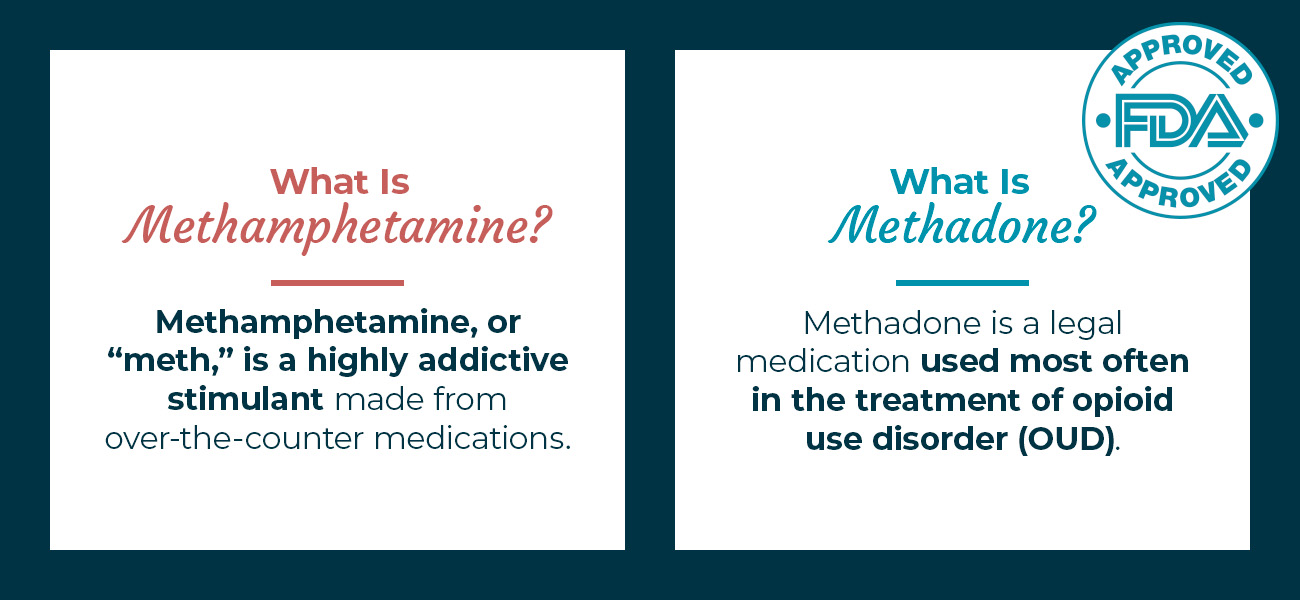
- Opioid use disorder has approved medications like buprenorphine and methadone. Meth use disorder does not.
- Public systems often treat these crises separately, even though real-world drug use rarely fits neat categories.
Why the meth vs opioids gap matters
The broad public story has been shaped by fentanyl, overdose deaths, and the push to expand medications for opioid use disorder. That focus makes sense. Opioids, especially illicit fentanyl, have caused staggering harm. But meth never left, and in many regions it surged while national attention stayed elsewhere.
Here is the problem. A treatment system built around one drug class will miss people whose main issue is methamphetamine, or whose use has shifted between stimulants and opioids over time. Think of it like building a fire department that stocks only water hoses when some fires also need foam. You are still responding, but not with the full set of tools.
America is not facing a single drug epidemic with one clear fix. It is facing overlapping epidemics that demand different treatment approaches.
How methamphetamine and opioids differ in treatment
Meth vs opioids treatment options are not equal
This is the hard truth. For opioid use disorder, clinicians have FDA-approved medications that reduce cravings, lower overdose risk, and improve retention in care. Buprenorphine, methadone, and naltrexone are established options, with strong evidence behind the first two in particular.
For methamphetamine use disorder, there is no equivalent approved medication. Providers often rely on behavioral therapies, counseling, contingency management, and treatment for co-occurring mental health issues. Some approaches show promise, but the toolbox is thinner. Much thinner.
That gap shapes everything from public funding to clinical confidence. If a health system knows how to prescribe for opioid use disorder but has fewer proven options for stimulant use, guess which condition gets more infrastructure?
People do not use drugs in tidy categories
KFF Health News points to another reality that policy often ignores. Many people use both meth and opioids. Some use stimulants to stay awake or counter opioid sedation. Others use what is available in unstable street markets. And some take drugs contaminated with other substances without fully knowing it.
So what happens when treatment programs split people into separate boxes?
You get fragmented care. A person may receive medication for opioid use disorder while their stimulant use remains largely untreated, or they may be denied services because a clinic is not set up for the mix of needs they bring through the door.
What is driving meth use in the current crisis
Methamphetamine today is tied to several forces at once. Supply has changed. Purity is often higher. Price can be low. In some areas, meth is easier to find than heroin, and fentanyl has reshaped local drug markets.
Look, people do not arrange their substance use around policy categories. They respond to pain, trauma, withdrawal, availability, cost, and survival. That is one reason simplistic messaging falls flat.
Some users report turning to meth for energy, weight loss, alertness, or to cope with depression and unstable housing. Others combine it with opioids in ways that increase cardiac strain, psychiatric symptoms, and overdose risk. The clinical picture gets messy fast, especially in emergency departments and rural settings with limited specialty care.
Why public policy still centers opioids
Part of the answer is practical. Opioid deaths rose to shocking levels, and there are proven medications that officials can scale up. That creates a clear policy agenda. Expand buprenorphine access. Support methadone programs. Distribute naloxone. Reduce fentanyl deaths.
All of that is necessary.
But stimulant use disorder has not had the same simple policy pathway. No approved medication means no direct counterpart to buprenorphine expansion. The result is a lopsided response, even when local data show heavy meth use and mixed-drug deaths.
There is also a cultural factor. The opioid crisis, especially in its earlier phases, drew sympathy in ways meth use often has not. Stigma around methamphetamine remains severe. That affects media framing, family response, law enforcement, and treatment access (sometimes more than officials want to admit).
What a better meth vs opioids response looks like
A stronger response starts with accepting that stimulant and opioid crises overlap. Systems should treat them that way. Honestly, this is less about a flashy new idea and more about fixing an obvious blind spot.
- Screen for both opioid and stimulant use in primary care, emergency care, and behavioral health settings.
- Expand medication for opioid use disorder while also building real services for meth use disorder, including contingency management where allowed.
- Train clinicians on co-use patterns, overdose risk, psychosis, and withdrawal differences.
- Use harm reduction for mixed drug use, including naloxone distribution, drug checking where available, and practical education on contamination risks.
- Integrate mental health treatment because trauma, depression, anxiety, and housing instability often sit at the center of these cases.
What families and communities should understand
If someone in your life is using meth, opioids, or both, a one-size-fits-all script will not help much. Ask what they are using, how often, whether they mix substances, whether fentanyl exposure is possible, and what kind of treatment they can actually access nearby. Those details matter.
And they change.
Families should also know that progress may look different depending on the drug involved. With opioids, medications can be a stabilizing anchor. With methamphetamine, treatment may depend more on structured support, behavior-based incentives, housing help, and care for sleep, mood, and psychosis symptoms. That does not make recovery impossible. It makes the path less linear.
Where this leaves the treatment system
The clean narrative says America has an opioid crisis. The more accurate one says America has an opioid crisis, a meth crisis, and a growing problem of overlap between the two. That second version is harder to package, but it is the one clinicians and families actually live with.
If policymakers keep treating meth as a side issue, the numbers will keep telling the same story. The next smart move is not to shift attention away from opioids. It is to stop pretending the stimulant side of the crisis is somehow secondary.
This article is for educational purposes only and should not be considered medical advice. Always consult a qualified healthcare provider before making decisions about addiction treatment. If you or someone you know is in crisis, call SAMHSA's National Helpline: 1-800-662-4357 (free, confidential, 24/7).