Meth Awareness Day: What You Need to Know
Meth Awareness Day: What You Need to Know Meth Awareness Day matters because meth use can move fast from hidden to visible, and the damage does not wait.…
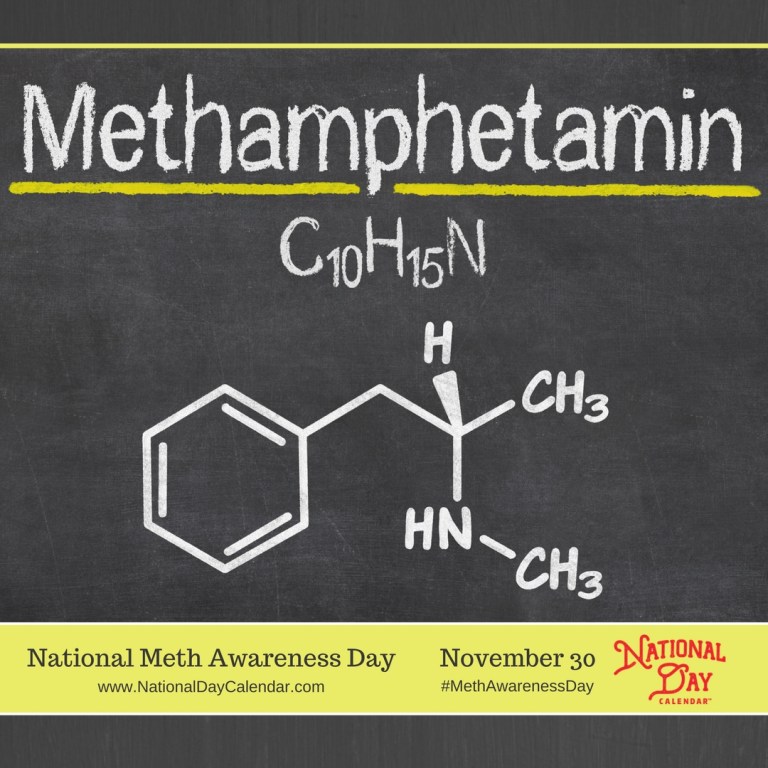
Meth Awareness Day: What You Need to Know
Meth Awareness Day matters because meth use can move fast from hidden to visible, and the damage does not wait. Families often notice the fallout before they understand the drug itself. That delay costs time, money, sleep, trust, and sometimes lives. If you are trying to make sense of meth awareness day, the useful question is simple: what should you look for, and what should you do next?
Look, meth is not a niche problem. It affects health, behavior, work, housing, and family stability. The Centers for Disease Control and Prevention has linked stimulant misuse to rising overdose risk in recent years, often with fentanyl involved. That makes early recognition non-negotiable. You do not need to be perfect. You need to be alert, practical, and ready to act.
What Meth Awareness Day wants you to notice
- Speed matters. Meth can drive rapid changes in sleep, mood, and judgment.
- Visible signs can be physical or behavioral. Weight loss, skin picking, paranoia, and agitation are common red flags.
- People often hide use well. A calm surface can cover a chaotic pattern underneath.
- Support works better than shame. Direct, steady help is more useful than lectures.
Why meth awareness day still matters
Meth use does not follow a tidy script. One person may spiral into sleeplessness and risky decisions. Another may keep working while their health erodes in the background. Either way, the drug can hit like a bad contractor on a house frame. The damage shows up in the joints, then the walls, then the whole structure.
Public awareness campaigns help because meth symptoms can look like stress, burnout, or mental illness at first. That overlap makes families second-guess themselves. And that hesitation gives the drug more room to spread.
Early recognition is the real point of meth awareness day. If you spot the pattern sooner, you have a better shot at getting help before the crisis gets louder.
Common warning signs of meth use
You do not need every sign to be present. A few together can tell a clearer story than one symptom alone. What should raise your attention?
- Sleep changes. Staying awake for long stretches, then crashing hard.
- Behavior shifts. More secrecy, irritability, fast speech, or sudden paranoia.
- Physical changes. Tooth decay, skin sores, jaw clenching, and rapid weight loss.
- Routine problems. Missed work, money trouble, shaky relationships, or legal issues.
People sometimes focus on the stereotypes and miss the reality. Not everyone looks the same. Not everyone fits the image from TV or old warning posters.
What meth does to the brain and body
Meth is a stimulant. It raises dopamine activity and can push the nervous system into overdrive. That can create a short burst of energy or confidence, then leave the person anxious, depleted, or deeply depressed. Repeated use can also damage memory, attention, and emotional control.
The body takes a hit too. Heart rate and blood pressure can rise. Appetite can drop. Teeth and skin can suffer. Sleep loss alone can make everything worse, since the brain loses one of its basic repair tools.
Could a drug that makes someone feel awake for hours really be harmless? Of course not.
How to respond if you think someone is using meth
Start with facts, not accusations. Pick a quiet time. Say what you saw. Keep your tone steady. You are trying to lower defensiveness, not win an argument.
- Be specific. Say, “You have not been sleeping, and you seem on edge,” instead of “You are ruining everything.”
- Offer one next step. A doctor visit, counselor, or local treatment line is easier to accept than a vague demand to get help.
- Set clear limits. You can care without covering up debt, missed work, or unsafe behavior.
- Get support for yourself. Family counseling or peer support can help you stay grounded.
And if the person is in immediate danger, call emergency services. Chest pain, severe confusion, trouble breathing, or violent agitation are not moments for debate.
What treatment and recovery can look like
There is no single pill that fixes meth addiction. Care often includes behavioral treatment, mental health support, and help with housing, work, or legal problems. The National Institute on Drug Abuse notes that contingency management has strong evidence for stimulant use disorder. That means people get practical rewards for meeting recovery goals. It is plain, structured, and more effective than moralizing.
Recovery can also include therapy for anxiety, depression, trauma, or psychosis that may show up with meth use. Some people need outpatient care. Others need a higher level of support first. The right plan depends on risk, stability, and how long use has been going on.
Why families should act early
Families often wait because they hope the problem will fade. Sometimes they fear saying the wrong thing. But silence can turn into permission. Early action gives you more options, and fewer emergencies.
Think of it like catching a leak before the ceiling caves in. You do not need drama. You need a bucket, a patch, and a plumber.
What to do next on meth awareness day
Use the day to do one concrete thing. Check your facts. Talk to someone you trust. Save a local treatment number. If meth is already part of your life, your home, or your circle, do not wait for a bigger crisis to make the first move.
Start with one honest conversation today. Then ask the next question that matters: what help can you put in place before the damage grows?
This article is for educational purposes only and should not be considered medical advice. Always consult a qualified healthcare provider before making decisions about addiction treatment. If you or someone you know is in crisis, call SAMHSA's National Helpline: 1-800-662-4357 (free, confidential, 24/7).