Meth and Fentanyl: Why This Mix Kills
Meth and Fentanyl: Why This Mix Kills If you use drugs, support someone who does, or work around overdose risk, meth and fentanyl should be on your radar now.…
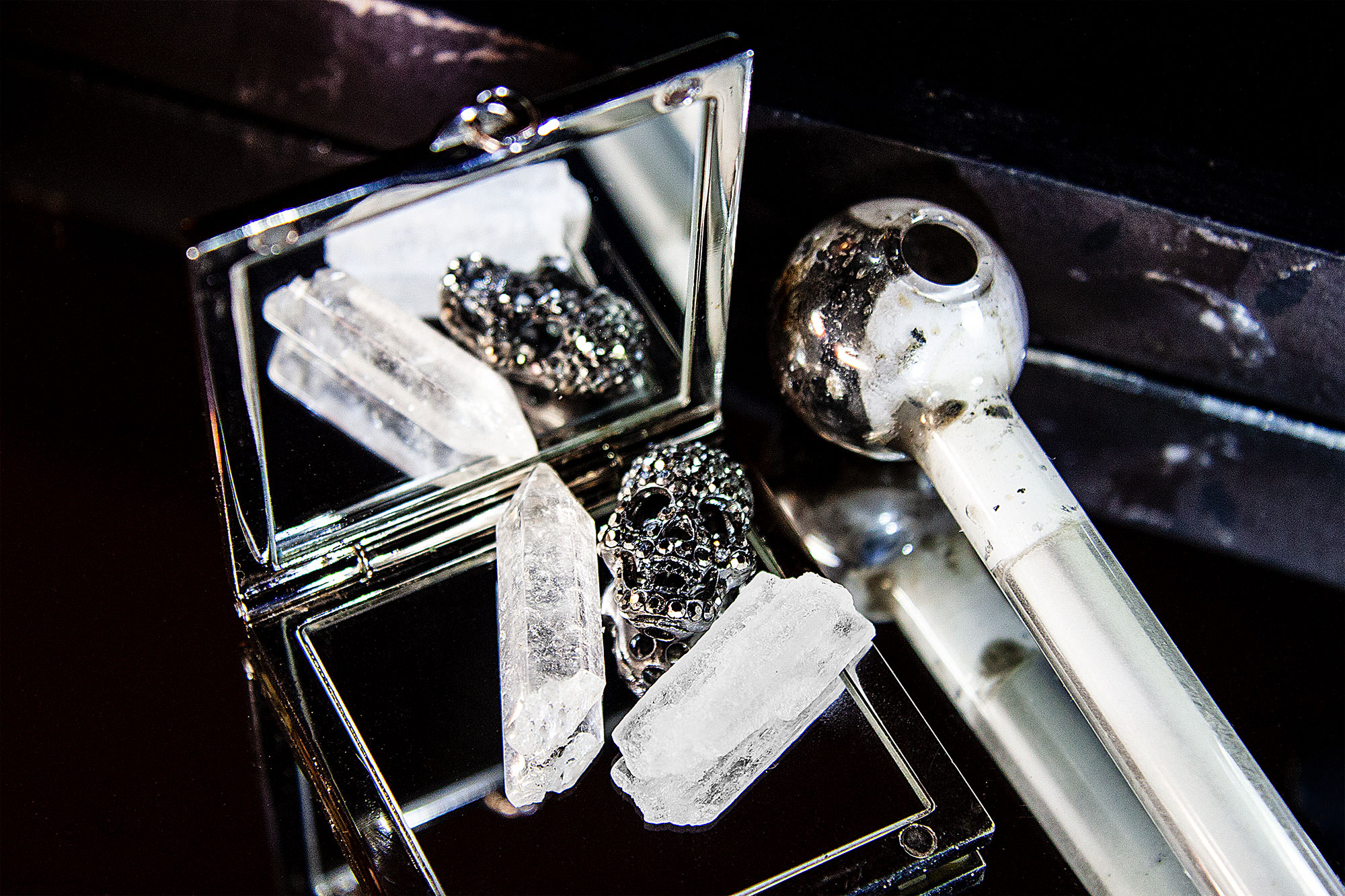
Meth and Fentanyl: Why This Mix Kills
If you use drugs, support someone who does, or work around overdose risk, meth and fentanyl should be on your radar now. This mix has become one of the deadliest patterns in the overdose crisis because it pairs a powerful stimulant with a powerful synthetic opioid. That can make danger harder to spot. Meth can keep a person awake and agitated while fentanyl slows breathing, which means the body may be in trouble before anyone recognizes an opioid overdose. Addiction Center reported on the rising lethality of this combination in 2019, and later CDC data has kept pointing in the same direction. Synthetic opioids and stimulants are increasingly involved in overdose deaths. The practical question is simple: how do you lower risk when the drug supply is unpredictable?
What you need to know first
- Fentanyl can be present without a person knowing it, especially in counterfeit pills and mixed powders.
- Meth can mask opioid sedation, so overdose signs may appear late or look confusing.
- Naloxone can reverse the opioid part of an overdose, but it will not treat stimulant toxicity.
- Using alone raises the risk because no one is there to call 911 or give naloxone.
- Treatment may need to address both stimulant use and opioid exposure, not one problem in isolation.
Why meth and fentanyl is so dangerous
Methamphetamine speeds up the central nervous system. Fentanyl does the opposite by binding to opioid receptors and slowing breathing, sometimes within minutes. Put them together and you get a tug-of-war inside the body, but not a balanced one.
That is the trap. A person may feel alert from meth while fentanyl is still suppressing respiration. In sports terms, it is like a runner sprinting while the oxygen tank is quietly being turned off on the sideline.
The most dangerous overdose is often the one that does not look obvious at first. Confusion, snoring sounds, blue lips, limpness, or slow breathing should be treated as an emergency.
There is another problem: dose control. Illicit fentanyl can be unevenly distributed in a bag, pill, or batch, so one portion may contain far more fentanyl than another. You cannot eyeball safety.
How fentanyl gets mixed with meth
Some people intentionally combine stimulants and opioids to change the high or soften the crash. Others are exposed by contamination, cross-contact during supply handling, or counterfeit products sold as something else. Both routes matter because the overdose response is the same.
Drug checking programs in several U.S. cities have found fentanyl in unexpected substances, though local patterns vary. This is why broad claims can mislead people. Your county may not look like the next county over, and street supply can shift fast.
Fentanyl test strips are a practical tool, but they are not perfect. They can miss some analogs, and they do not tell you how much fentanyl is present. Still, a positive result gives you information you would not have otherwise.
Meth and fentanyl overdose signs can look mixed
Opioid overdose often shows up as slow or stopped breathing, tiny pupils, blue or gray skin, choking sounds, and loss of consciousness. Stimulant toxicity can look different: chest pain, overheating, panic, severe agitation, high blood pressure, or seizures. With meth and fentanyl, signs can overlap in a messy way.
So what should you do if you are unsure whether it is an opioid overdose? Give naloxone and call emergency services. Naloxone is safe to use even if opioids are not the cause, and delay is the enemy.
Act fast.
After naloxone, the person still needs monitoring. Fentanyl can outlast naloxone, and stimulant effects can continue after breathing improves. If the person wakes up angry, scared, or disoriented, keep your voice calm and give them space while help is coming.
How to reduce meth and fentanyl overdose risk
Abstinence is the only way to remove risk, but harm reduction matters because people do not always stop on command. I have covered addiction long enough to know that slogans do not keep people alive. Tools, planning, and fast response do.
- Carry naloxone. Keep more than one dose nearby because fentanyl overdoses may need repeated dosing.
- Do not use alone. If you cannot avoid it, use a phone-based overdose prevention line or arrange a check-in.
- Test the supply when possible. Fentanyl test strips can reduce blind risk, especially with powders and crushed pills.
- Start with a smaller amount. This does not make use safe, but it can lower exposure to an unexpectedly strong batch.
- Avoid mixing with alcohol, benzodiazepines, or other sedatives. These can further slow breathing.
- Know local help options. Syringe service programs, health departments, and community groups often provide naloxone and safer use supplies.
If someone uses meth and has no opioid tolerance, fentanyl exposure can be especially dangerous. Tolerance to stimulants does not protect against opioid respiratory depression. That point gets missed too often.
Treatment for meth and fentanyl use needs a wider lens
Medication can treat opioid use disorder, including buprenorphine and methadone. These treatments reduce overdose risk for people with opioid dependence, and they are backed by strong evidence. There is no equivalent FDA-approved medication for meth use disorder, though contingency management has solid research support.
That mismatch creates a care gap. A person may enter treatment after a fentanyl overdose, but meth use may still drive cravings, sleep problems, paranoia, or relapse risk. Good programs screen for both stimulant and opioid use, then build care around the full pattern.
Family members should ask direct questions before choosing a program. Does the provider offer medications for opioid use disorder? Do they treat stimulant use with evidence-based counseling or contingency management? Do they provide naloxone at discharge?
What families should do after a close call
After an overdose scare, families often swing between panic and anger. That is human, but it can push the person away from care. The better move is firm, plain, and immediate.
- Keep naloxone in the home and make sure everyone knows where it is.
- Ask the person not to use behind a locked door.
- Remove judgment from safety talks, but keep boundaries clear.
- Offer to help book treatment, transportation, or a same-day assessment.
- Call 911 during suspected overdose, even if naloxone works.
Look, you do not need to approve of drug use to prevent a death. Those are separate issues. Keeping someone alive protects the chance for treatment tomorrow.
The next move is practical
Meth and fentanyl is not a niche concern anymore. It sits at the intersection of two drug trends that have strained families, emergency rooms, and treatment providers across the country. The hype-free answer is preparation: naloxone, drug checking where available, honest conversations, and treatment that handles polysubstance use.
If this risk touches your life, get naloxone today and learn how to use it. Then ask one harder question: who in your circle needs to know where it is before the next emergency happens?
This article is for educational purposes only and should not be considered medical advice. Always consult a qualified healthcare provider before making decisions about addiction treatment. If you or someone you know is in crisis, call SAMHSA's National Helpline: 1-800-662-4357 (free, confidential, 24/7).