Meth Addiction Recovery on the Crow Reservation
Meth Addiction Recovery on the Crow Reservation Meth addiction recovery can sound abstract until you see what it does to a family, a school, and a whole…
Meth Addiction Recovery on the Crow Reservation
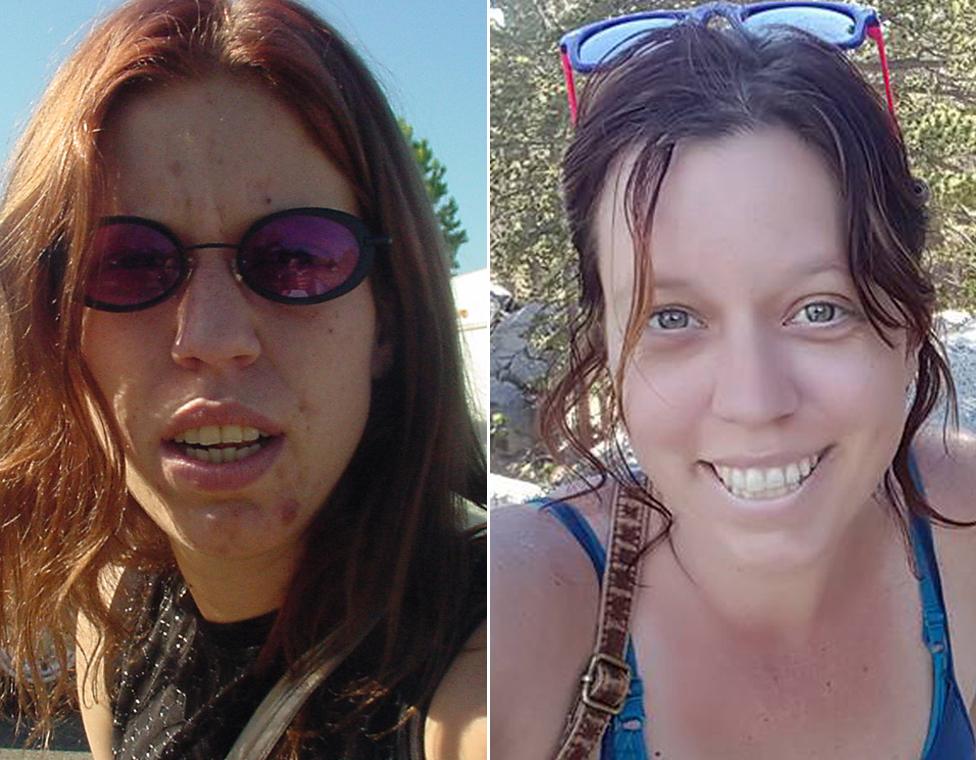
Meth addiction recovery can sound abstract until you see what it does to a family, a school, and a whole community. On Montana’s Crow Reservation, that crisis has been severe enough to strain homes, public safety, and already thin health resources. But the story is not only about damage. It is also about what people build after years of loss, relapse, and grief. That matters now because rural and Tribal communities across the country face the same brutal mix of addiction, scarce treatment options, and long travel distances for care. If you want to understand what real recovery looks like, this is a useful place to start. The lesson is plain. Recovery gets stronger when treatment is local, culturally grounded, and backed by people who refuse to give up on their own community.
What stands out here
- Meth addiction recovery is harder when people must travel far for detox, counseling, or follow-up care.
- Community-led programs on the Crow Reservation tie recovery to family, identity, and trust.
- Relapse is part of many recovery paths, not proof that treatment failed.
- Local leadership matters because outside systems often arrive late and leave early.
Why meth addiction recovery is so hard in rural Tribal communities
Distance changes everything. If the nearest treatment bed is hours away, getting help becomes a logistics problem before it becomes a medical one. Add limited transportation, poverty, housing stress, and stigma, and the odds tilt the wrong way fast.
That is the rural addiction trap. And on reservations, it often collides with another fact: health systems have a long history of underfunding and broken promises. People hear that help exists, but access can be thin, delayed, or built around someone else’s idea of care.
Look, meth is a punishing drug. It can fuel paranoia, sleep loss, weight loss, family violence, jail cycles, and repeated medical crises. Recovery from that kind of damage is less like flipping a switch and more like rebuilding a house after a fire. You do not start with paint. You start with the frame.
What the Crow Reservation story gets right about meth addiction recovery
The NPR report points to something many policymakers still miss. Recovery is not only about getting drugs out of someone’s system. It is about rebuilding a life that can hold under pressure.
That means care has to do more than offer a short detox stay or a referral sheet. It needs to connect people to steady counseling, peer support, housing help, family repair, and cultural grounding. On Tribal land, that grounding is not a side feature. It can be the piece that makes treatment believable.
Recovery works better when people feel seen by the system that is supposed to help them.
Honestly, this should not be a radical idea. Yet many addiction programs still act as if a standard template will fit every town, every family, and every Tribal nation. It will not.
Meth addiction recovery needs more than abstinence
Abstinence matters. But if the only goal is to stop drug use without dealing with trauma, grief, unstable housing, unemployment, or fractured family ties, the foundation stays shaky.
Here is what stronger support usually includes:
- Fast access to assessment and treatment. Long waits give addiction room to tighten its grip.
- Care close to home. People stay engaged more often when services are local.
- Peer support. Someone who has lived it can cut through denial in a way brochures never will.
- Family involvement. Recovery sticks better when the home environment changes too.
- Culturally rooted care. Language, ceremony, and community values can help restore identity.
What is the alternative? Sending people away for brief treatment, then dropping them back into the same stress, the same isolation, and the same easy access to meth.
The local trust problem
Addiction treatment runs on trust, and trust is fragile. On the Crow Reservation, as in many Native communities, people may know the counselor, the police officer, the judge, and the person using meth. That can help. It can also make privacy feel uncertain.
So programs have to earn credibility in practical ways. Clear confidentiality rules matter. Staff continuity matters. Showing up after a relapse matters most.
One missed chance can echo for years.
This is where community-led work has an edge. A local program usually knows which families are carrying fresh grief, which young people are drifting, and which small barriers keep turning into treatment failure. Sometimes the barrier is money. Sometimes it is child care. Sometimes it is shame.
What other communities can learn from Crow Reservation recovery efforts
There is no copy-and-paste fix here, and that is the point. Good recovery systems are built to fit the place they serve. Like a solid clinic design, the load-bearing parts matter more than the decor.
Start with what is local
Programs work better when they use local leaders, local peer mentors, and local knowledge. That includes elders, recovery coaches, school staff, and family members who know the warning signs before a crisis explodes.
Plan for relapse without treating it as defeat
Meth addiction recovery often involves setbacks. Smart programs expect that and keep the door open. Punitive models can push people further from care, especially after jail time or family conflict.
Build a treatment chain, not a treatment moment
Detox alone is rarely enough for stimulant addiction. People need follow-up, transportation help, check-ins, and options for mental health care (especially for trauma, anxiety, and depression). The handoff after treatment is where many systems break down.
Why this story belongs in the national addiction debate
The public conversation on substance use often swings between panic and slogans. That is lazy. The Crow Reservation story shows a more useful truth: addiction is both medical and social, and recovery is both personal and communal.
It also highlights a gap in U.S. drug policy. Rural and Tribal communities are often asked to manage severe meth use with fewer clinicians, fewer treatment beds, and weaker infrastructure than urban areas. Then officials act surprised when outcomes lag. That is not mystery. That is math.
Named sources such as NPR help put human detail on top of that policy failure. The details matter because they show how people actually move toward recovery. One phone call. One ride to treatment. One family willing to try again.
What comes next for meth addiction recovery
If you work in addiction, public health, or family support, the next step is simple. Stop asking whether communities like the Crow Reservation are resilient enough. Ask whether the systems around them are finally willing to match that effort with money, staff, and staying power.
That is the test. And if this country is serious about meth addiction recovery, it should start by funding what people on the ground already know works.
This article is for educational purposes only and should not be considered medical advice. Always consult a qualified healthcare provider before making decisions about addiction treatment. If you or someone you know is in crisis, call SAMHSA's National Helpline: 1-800-662-4357 (free, confidential, 24/7).