Meth Addiction Recovery in Atlanta: What Galano Club Shows
Meth Addiction Recovery in Atlanta: What Galano Club Shows You can know you need help and still feel stuck at the door. That is why meth addiction recovery…
Meth Addiction Recovery in Atlanta: What Galano Club Shows
You can know you need help and still feel stuck at the door. That is why meth addiction recovery often depends on more than willpower, detox, or a private promise to stop. A recent CBS News Atlanta report about an Atlanta man who credits the Galano Club community with helping him overcome meth addiction puts a hard truth in plain view: recovery needs people, rhythm, and a place where shame loses its grip. Methamphetamine can isolate you fast, and isolation feeds the cycle. The fix is rarely one dramatic turn. It is usually a string of small returns, to meetings, to honest conversations, to safer routines, and to people who notice when you disappear.
What Stands Out
- Community support can reduce isolation, which is a common driver of stimulant use.
- Peer spaces like Atlanta’s Galano Club give people a sober routine outside clinical care.
- Meth addiction recovery often works best when behavioral therapy, mutual aid, and practical support line up.
- There is no FDA-approved medication for methamphetamine use disorder, so connection and evidence-based counseling carry extra weight.
Why Meth Addiction Recovery Needs More Than Detox
Meth changes sleep, appetite, mood, attention, and decision-making. The National Institute on Drug Abuse has long pointed to behavioral treatments, including cognitive behavioral therapy and contingency management, as leading options for stimulant use disorders.
Detox may help your body clear the drug, but it does not rebuild your week. That part is slower, less cinematic, and much more demanding.
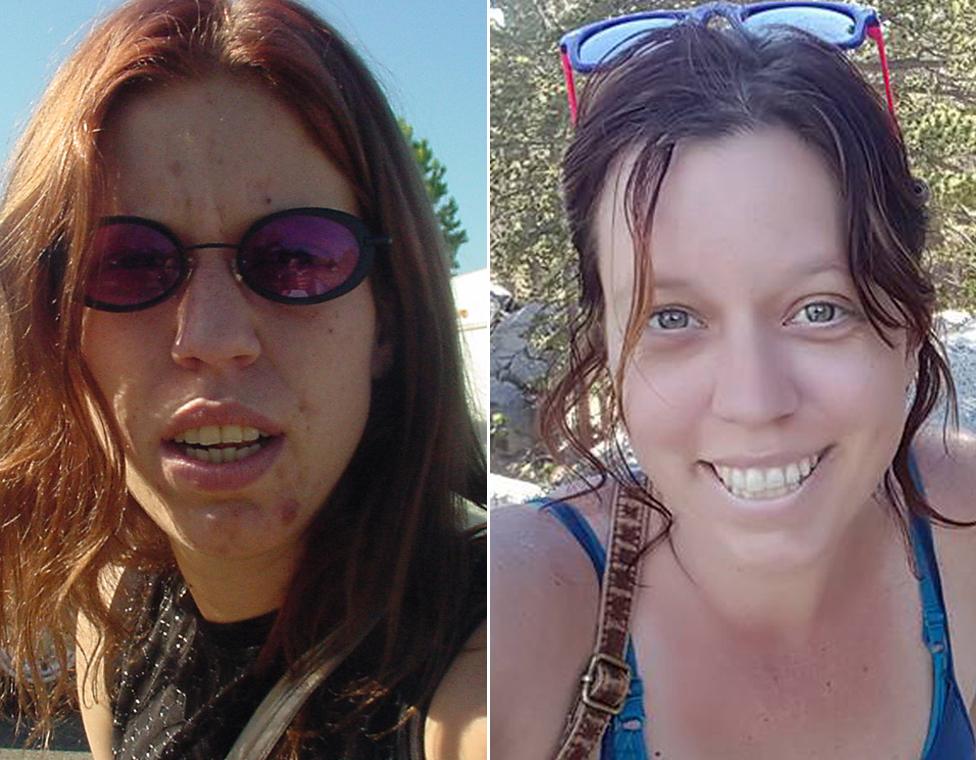
CBS News Atlanta reported that an Atlanta man credited the Galano Club community with helping him overcome meth addiction. The story is a useful reminder that recovery is often held together by repeated contact, not a single heroic choice.
Why does that matter if you are trying to quit or help someone who is? Because meth use often shrinks a person’s world until the drug, the chase, and the crash take up nearly every room in the house.
What the Galano Club Adds to Meth Addiction Recovery
The Galano Club in Atlanta is known as a meeting and community space for people in recovery, including many in LGBTQ+ recovery circles. Spaces like this do something treatment programs cannot always do: they give you somewhere to go on a Tuesday night when the clinic is closed and your brain is bargaining.
Look, I have covered addiction and public health stories for years, and the pattern is hard to miss. People often relapse in the gaps, after discharge, after a breakup, after a paycheck, after three nights without sleep.
That is the hinge.
A peer recovery space can catch those gaps before they turn into a return to use. It is a bit like a restaurant kitchen during a rush, where one cook alone gets buried, but a team with clear stations can keep plates moving.
What a recovery community can provide
- Accountability: Someone notices when you stop showing up.
- Normalcy: You see people with months or years of recovery living ordinary, believable lives.
- Language: You learn how to talk about cravings, shame, relapse, and repair without dressing it up.
- Routine: Meetings give shape to empty hours, especially at night.
- Belonging: You get a place where your history does not make you radioactive.
How to Start Meth Addiction Recovery With Community
If you are using meth now, the first step does not have to be perfect. It does need to be concrete, and it should happen soon, preferably with another person involved.
- Tell one safe person the truth. Pick someone who can listen without turning the moment into a trial.
- Find a meeting today. Search for local Crystal Meth Anonymous, Narcotics Anonymous, SMART Recovery, or LGBTQ+ recovery meetings if that feels safer.
- Ask about stimulant-specific care. A counselor or treatment center should know CBT, contingency management, relapse planning, and co-occurring mental health care.
- Plan for the danger hours. Write down what you will do during cravings, late nights, paydays, and conflict.
- Keep going after a slip. A return to use is a signal to tighten support, not proof that you are broken.
Honestly, the boring pieces matter most. Sleep, food, dental care, wound care, a phone list, and a standing meeting can do more for recovery than any dramatic speech (and yes, that includes boring weekday meetings).
What Families Should Understand About Meth Addiction Recovery
Families often want the one sentence that will make someone stop. I wish that sentence existed, but pressure alone usually pushes people deeper into secrecy.
Your role is not to ignore harm or fund chaos. Your role is to set clear boundaries, offer specific help, and stay close enough that recovery has a bridge back.
Helpful support sounds like this
- “I can drive you to a meeting tonight.”
- “I will help you call a treatment provider, but I will not give you cash.”
- “If you use again, tell me quickly so we can make a safer plan.”
- “I love you, and I am taking care of myself too.”
Families also need their own support. Groups such as Nar-Anon, SMART Recovery Family and Friends, and counseling can help you stop living in emergency mode.
The Public Health Lesson From Atlanta
The Atlanta story is not only about one man or one club. It is about what cities need if they want addiction recovery to last beyond the first brave ask for help.
SAMHSA has described recovery as a process supported by health, home, purpose, and community. That framework fits here because meth addiction recovery can fall apart when any one of those supports is missing.
Clinics matter. So do meeting rooms, low-cost gathering spaces, sober events, transportation, mental health care, housing support, and peers who know what withdrawal and craving feel like from the inside.
Where This Points Next
If you are in Atlanta, the practical next step is simple: find a recovery meeting or community space and go once, even if you sit in the back and say nothing. If you are outside Atlanta, look for the same ingredients nearby: consistency, safety, peer contact, and a path into evidence-based care.
The CBS News Atlanta story works because it refuses the myth that people recover alone. The better question is whether your city has enough open doors for people to walk through before the next crisis hits.
This article is for educational purposes only and should not be considered medical advice. Always consult a qualified healthcare provider before making decisions about addiction treatment. If you or someone you know is in crisis, call SAMHSA's National Helpline: 1-800-662-4357 (free, confidential, 24/7).