Men’s Support Groups: Why They Matter for Mental Health
Men’s Support Groups: Why They Matter for Mental Health If you have been holding things in, a men’s support group can feel unfamiliar at first. That is often…
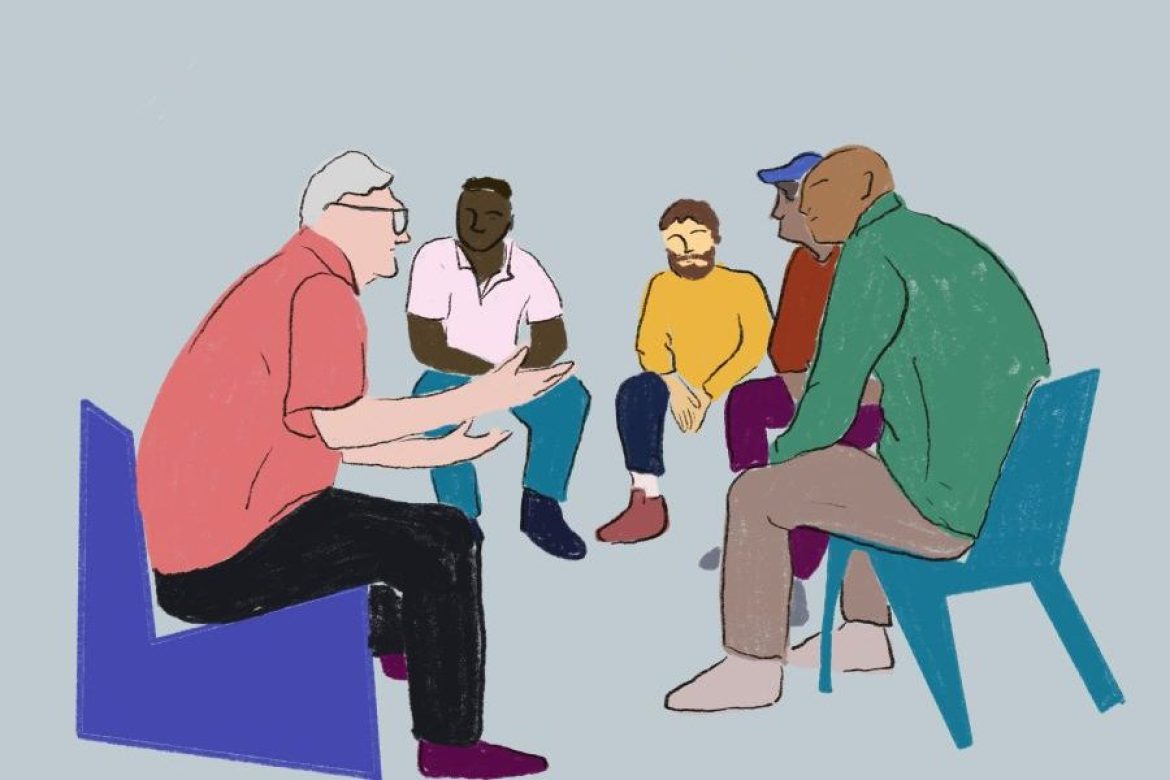
Men’s Support Groups: Why They Matter for Mental Health
If you have been holding things in, a men’s support group can feel unfamiliar at first. That is often the point. Many men are taught to handle stress alone, then wonder why anxiety, anger, drinking, or burnout keep piling up. A men’s support group gives you a place to speak plainly, hear other men say the quiet parts out loud, and get practical feedback without judgment.
This matters now because isolation is not harmless. The CDC has reported that men die by suicide at higher rates than women, and long stretches of silence can make depression and substance use harder to spot. A support group will not fix everything. But it can be the first setting where you stop performing and start dealing with what is real.
What Men’s Support Groups Can Actually Do
- Reduce isolation. You hear from people who deal with the same pressure at work, at home, and in recovery.
- Build coping skills. Group leaders often teach simple tools for stress, conflict, and relapse prevention.
- Make help feel normal. Seeing other men show up consistently can lower the barrier to care.
- Improve follow-through. Group accountability can help you keep appointments, stay sober, or keep using healthier habits.
Look, a support group is not group therapy theater. It is closer to a workshop where people compare notes, test ideas, and leave with something they can use. What matters is not sounding polished. What matters is being honest enough to get traction.
“Most men do not need more advice. They need a place where they can say what they are carrying and not get shut down.”
How a men’s support group works
Most groups follow a simple structure. A facilitator opens with ground rules, members check in, and the group talks through stressors, goals, setbacks, or wins. Some groups focus on mental health. Others center recovery, fatherhood, grief, anger, relationships, or life after treatment.
The best groups feel orderly, not stiff. You should know what is expected, how long the session runs, and whether participation is optional or encouraged. That structure matters. It gives the room the feel of a solid frame, like building walls on a level foundation instead of guessing where the corners go.
What you can expect in the first session
- Introductions and a short explanation of confidentiality.
- Ground rules about respect, time, and speaking from your own experience.
- A chance to listen before you talk.
- One or two focused topics, such as stress, substance use, or family strain.
- Resources or next steps if you want more support.
If you hate forced sharing, good. You do not need to spill your life story on day one. A decent group lets you ease in.
Who tends to benefit most from a men’s support group?
Men’s support groups can help if you feel stuck in any of these patterns:
- You keep everything inside until it comes out as anger.
- You use alcohol or drugs to shut off stress.
- You feel disconnected from friends, family, or your partner.
- You are in recovery and need steady peer support.
- You are dealing with divorce, grief, job loss, or parenting strain.
Not every group fits every person. Some are peer-led. Some are run by licensed counselors. Some are open-ended, while others are closed groups with the same members each week. Which setup fits you best? If you want accountability, a closed group may work better. If you want flexibility, an open group may be the better bet.
How to choose the right men’s support group
Start with the basics. Ask who leads the group, what the focus is, and whether the sessions are tied to treatment, recovery, or general wellness. If you are looking for help with substance use, check whether the group uses evidence-based practices or connects to clinical care when needed.
Pay attention to the tone. You want direct, respectful conversation. You do not need a room full of overexplaining or pressure to share before you are ready. And if the group feels chaotic or performative, trust that signal.
Use these questions before you join:
- Is the group for men only, or mixed?
- Is it free, insurance-based, or fee-based?
- Is it focused on recovery, mental health, or general support?
- How private is the space?
- What happens if someone misses a session?
Why men often resist support, and why that changes
Men are often rewarded for being controlled, self-reliant, and quiet. That can help in a crisis. It can also keep people from asking for help until problems get expensive, painful, or dangerous. A support group cuts through that pattern by making help visible.
And here is the part that gets ignored. Talking with other men can feel less like confession and more like maintenance. You check the brakes before the trip goes bad. Why wait until everything is sliding?
That shift is practical, not sentimental. A room with other men can normalize the work of change, which makes it easier to keep going after the first awkward session.
Getting the most out of the group
Show up regularly. That sounds basic because it is. Trust builds through repetition, not one good conversation.
Try these habits:
- Arrive with one thing you want to talk about.
- Listen for patterns in what others say.
- Use the group to test one small change each week.
- Be honest about setbacks, not just progress.
A men’s support group works best when you treat it as part of a larger plan. Pair it with therapy, medical care, addiction treatment, or recovery support if you need more than peer connection. The strongest outcomes usually come from layering support, not betting everything on one setting.
What good support looks like
Good support is specific. It helps you name what is happening, choose a next step, and come back with an update. Bad support stays vague and full of slogans.
If a group leaves you feeling more clear, more accountable, and less alone, keep going. If it leaves you shut down or more confused, try another one. Not every room is your room.
A steadier next step
If you have been waiting for the right moment, this is probably it. Search for a local men’s support group, ask a counselor or recovery center for referrals, or look for a group tied to a clinic or community program. Pick one session. See how your body feels when the room gets quiet.
That first step can look small from the outside. But it can change the pace of everything that follows.
This article is for educational purposes only and should not be considered medical advice. Always consult a qualified healthcare provider before making decisions about addiction treatment. If you or someone you know is in crisis, call SAMHSA's National Helpline: 1-800-662-4357 (free, confidential, 24/7).