Melissa Etheridge and Psychedelic Treatment for Addiction
Melissa Etheridge and Psychedelic Treatment for Addiction People want faster answers for addiction, especially when standard care has failed before. That is…
Melissa Etheridge and Psychedelic Treatment for Addiction
People want faster answers for addiction, especially when standard care has failed before. That is why psychedelic treatment for addiction keeps getting attention, and why a public figure like Melissa Etheridge can push the topic into the open. The interest is understandable. Alcohol and drug use disorders are stubborn, relapse is common, and many people feel stuck between short-term fixes and programs that do not fit their lives.
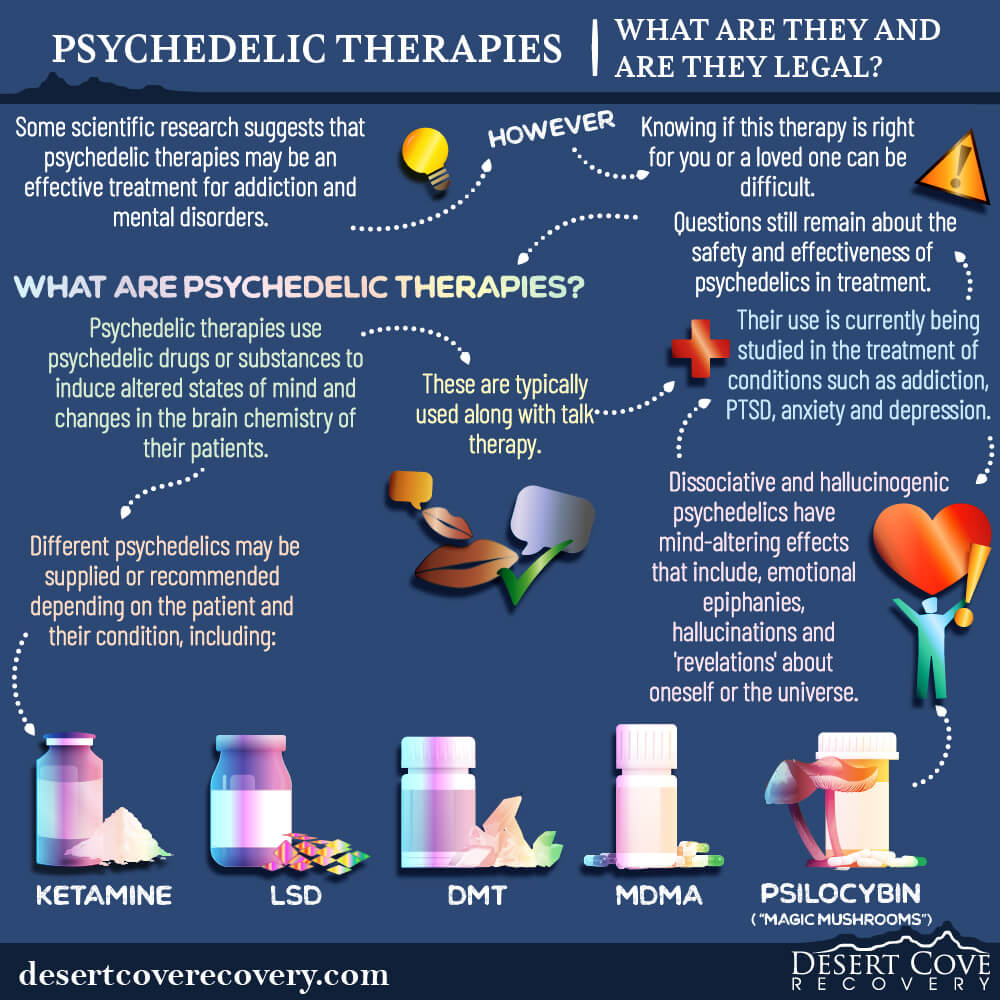
But the conversation needs more than hype. Psychedelic therapy is not a magic switch, and it is not a free pass to skip medical care. Still, the research is not imaginary. Early studies from Johns Hopkins, NYU, and other teams have found signals that psilocybin-assisted therapy may help some people reduce heavy drinking and change their relationship with substances. The real question is this. What does that mean for you, your family, or someone you care about?
- Interest is rising, but psychedelic treatment for addiction is still experimental in most settings.
- Psilocybin and MDMA are the main compounds drawing research, not a blanket cure-all.
- Therapy matters as much as the drug itself. The setting is part of the treatment.
- Risks are real, especially for people with psychosis, bipolar disorder, or unstable substance use.
- Access remains limited because legal status, cost, and trained providers are major barriers.
Why psychedelic treatment for addiction is getting attention now
Alcohol use disorder alone affects millions of Americans, and relapse rates remain high across substance use treatment. That gap has opened the door for new models, especially ones that look less like punishment and more like behavior change.
Here’s the thing. Classic addiction care often asks people to stop using before they have enough support to stay stopped. Psychedelic-assisted therapy tries a different route. It pairs a controlled dose of a psychedelic with preparation, guided sessions, and follow-up therapy. The idea is to create a window where people can examine patterns, fear, grief, and habit with less defensiveness.
Think of it like rebuilding a house while the foundation is exposed. You do not keep stacking new rooms on top of a cracked base. You fix the base first, then rebuild. That is the promise, at least on paper.
The drug is not the treatment by itself. The psychotherapy, screening, and integration work are doing a lot of the heavy lifting.
What the research actually shows
The strongest data so far comes from small clinical trials, not giant population studies. That matters. Small studies can point to promise, but they do not settle the question.
Johns Hopkins researchers have reported that psilocybin-assisted therapy reduced heavy drinking days in some participants with alcohol use disorder. NYU and other academic teams have explored similar models for smoking cessation and other substance use patterns. MDMA has been studied more for PTSD than addiction, but trauma and addiction often overlap, so the research circles each other.
But the evidence still has limits. Trials are tightly controlled, participants are screened, and therapists are present. That is a very different setup from a retreat center, a clinic with weak oversight, or self-directed use. The gap between a clinical protocol and real life is not small. It is seismic.
What the evidence does not prove
It does not prove psychedelics work for everyone. It does not prove one session can erase years of alcohol or drug dependence. And it does not prove these medicines are safer than established treatments like naltrexone, buprenorphine, methadone, or residential care when those are appropriate.
Can psychedelic treatment for addiction help some people? Yes, possibly. Is it ready to replace proven care? No.
Who may be helped, and who should be cautious
The people most likely to benefit are usually those who can engage in therapy, tolerate structure, and enter treatment with medical screening. They often want change, have a stable support system, and can commit to follow-up work after the session itself.
People with a personal or family history of psychosis may face higher risk. So may people with bipolar disorder, active mania, or certain heart problems. Current substance use also matters. If someone is intoxicated, unstable, or in withdrawal, psychedelic work is the wrong move.
And yes, this is where many clinics get sloppy. If a provider skips screening, rushes consent, or oversells outcomes, walk away. Fast.
- Ask what substance is being used.
- Ask how many preparation sessions come before the dose.
- Ask who stays with you during treatment.
- Ask what follow-up therapy is included.
- Ask how emergencies are handled.
How psychedelic treatment for addiction fits with standard care
The best model is not either or. It is layered care. Medication can reduce cravings or withdrawal risk. Therapy can help you change routines, triggers, and relationships. Peer support can keep you connected when motivation dips.
Psychedelic treatment for addiction may eventually fit into that mix for certain people. It could become one tool among many, much like exposure therapy, medication-assisted treatment, or trauma-focused counseling. The key is matching the tool to the problem. A hammer is useful. So is a screwdriver. You do not use one for everything.
Families should also keep expectations grounded. A dramatic session can feel like a turning point, but the ordinary work after that is what holds the line. Sleep. Stress. Therapy. Boundaries. That is where recovery either firms up or slips.
Recovery usually fails in the details. Not the headline moment. The details.
What to ask before you consider it
If you are exploring this path, start with a physician or licensed addiction specialist who will give you a straight answer about screening and risk. Ask whether the program follows a clinical research model or a wellness retreat model. Those are not the same thing.
Also ask about cost and legal status. In most places, psilocybin and MDMA are still tightly restricted. Some states and cities have changed rules, but access is uneven and often expensive. That reality matters because treatment that is unreachable is not treatment for most people.
A practical filter
If a program promises instant healing, dismiss it. If it talks more about the experience than the aftercare, dismiss it. If it cannot explain screening, dosing, and integration in plain language, dismiss it.
Real care sounds a lot less dramatic than social media. That is usually a good sign.
Where this conversation goes next
Melissa Etheridge’s comments help because they push a real issue into public view. People are looking for better answers, and some of them may come from psychedelic-assisted therapy. But the field still has to earn trust with data, careful screening, and honest limits.
The next step is not to cheer louder. It is to ask better questions. Which patients benefit? For how long? Under what supervision? And what happens when the session is over?
That is the line worth watching now.
This article is for educational purposes only and should not be considered medical advice. Always consult a qualified healthcare provider before making decisions about addiction treatment. If you or someone you know is in crisis, call SAMHSA's National Helpline: 1-800-662-4357 (free, confidential, 24/7).