Medicaid Cuts and San Francisco Drug Treatment
Medicaid Cuts and San Francisco Drug Treatment San Francisco already runs a fragile drug treatment system. If Medicaid cuts hit, that system gets tighter fast.…
Medicaid Cuts and San Francisco Drug Treatment
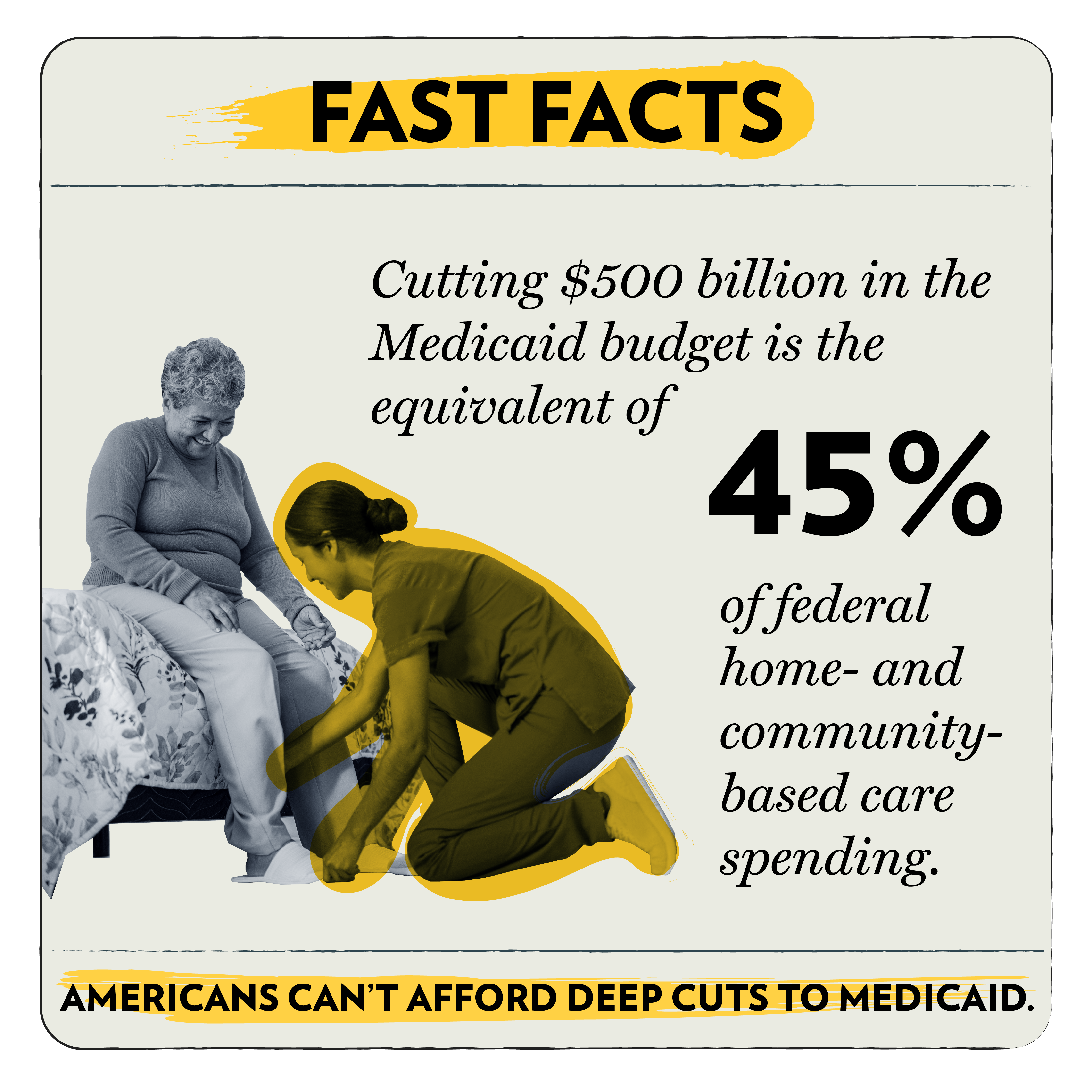
San Francisco already runs a fragile drug treatment system. If Medicaid cuts hit, that system gets tighter fast. The risk is not abstract. It shows up in fewer counseling slots, slower intake, and more people bouncing between crisis care and the street. That is why Medicaid cuts matter now, not later. They shape who gets methadone, who can stay in residential treatment, and who falls through the cracks when the bill comes due.
City leaders can talk about recovery in broad terms. But providers live with the math every day. If reimbursement drops or eligibility shrinks, clinics have to do more with less. And people in active use do not wait for budget cycles. They need care on the day they ask for it, not six months from now.
Look, this is the part people skip: treatment capacity is like a restaurant kitchen at rush hour. One missing cook slows the whole line. One cut in funding can do the same to detox beds, case management, and follow-up care.
What Medicaid cuts would change first
- Fewer covered visits. Counseling, medication visits, and peer support can become harder to keep open at the same volume.
- Longer wait times. Providers may need to limit new intakes if staffing or reimbursement falls.
- More churn. People can start treatment, then lose coverage or hit service limits before they stabilize.
- Higher pressure on city funds. Local grants and contracts may have to cover gaps Medicaid once filled.
San Francisco depends on a mix of county, state, and federal money. Medicaid, known as Medi-Cal in California, is a core part of that mix. If Washington trims the program, local agencies do not get a clean substitute. They get a hole to patch.
Why Medicaid cuts hit recovery harder than many people think
Addiction treatment does not work like a one-time repair. People often need medication-assisted treatment, outpatient counseling, housing help, and steady check-ins. Cut one piece and the rest gets shaky.
That matters for opioids, alcohol use disorder, and stimulant use too. Evidence from the Substance Abuse and Mental Health Services Administration and the National Institute on Drug Abuse has long shown that ongoing care improves outcomes, especially when medication and behavioral support work together. If access gets rough, people delay care. Then they show up later, sicker, and costlier to treat.
Recovery systems break at the margins. A missed refill, a canceled visit, or a closed intake door can turn a manageable problem into an emergency.
One single sentence matters here. Continuity is everything.
How San Francisco providers can respond to Medicaid cuts
- Protect the highest-impact services first. Medication treatment, crisis stabilization, and discharge planning should stay at the front of the line.
- Use shared intake and referral systems. If one clinic is full, patients need a fast handoff, not another phone tree.
- Expand low-barrier care. Walk-in hours, mobile outreach, and bridge prescriptions can keep people engaged.
- Track who is being lost. If younger adults, unhoused patients, or people with co-occurring mental illness are dropping off, leaders need to know immediately.
Here’s the thing. Agencies often say they will “coordinate” through a budget squeeze. Coordination sounds tidy. In practice, it only works if one person owns the handoff, the follow-up, and the data. Otherwise, patients get sent in circles.
What voters should ask local candidates about Medicaid cuts
The next district debate should not stay at the level of slogans. Ask for specifics. What services will be protected first? Which city contracts are ready to absorb a cut? How will the city keep people in care if federal money drops?
And ask the awkward question: if the state and federal governments tighten Medicaid, who pays for the gap? Nonprofit providers cannot absorb endless losses. They will cut hours, freeze hiring, or narrow access. That is not a theory. It is how budgets work.
The real test is not whether leaders support recovery. It is whether they can keep treatment open when the funding gets ugly.
What to watch next
The next few budget cycles will tell the story. If San Francisco wants to keep drug treatment steady, it will need backup plans before the cuts land, not after. That means cleaner referrals, stronger local funding, and sharper pressure on state and federal officials. The question is simple: who is ready to protect care when the money gets thin?
This article is for educational purposes only and should not be considered medical advice. Always consult a qualified healthcare provider before making decisions about addiction treatment. If you or someone you know is in crisis, call SAMHSA's National Helpline: 1-800-662-4357 (free, confidential, 24/7).