Matt Dorsey, Drug-Free Housing, and San Francisco’s Addiction Policy Fight
Matt Dorsey, Drug-Free Housing, and San Francisco’s Addiction Policy Fight San Francisco keeps running into the same problem. People trying to stay off drugs…
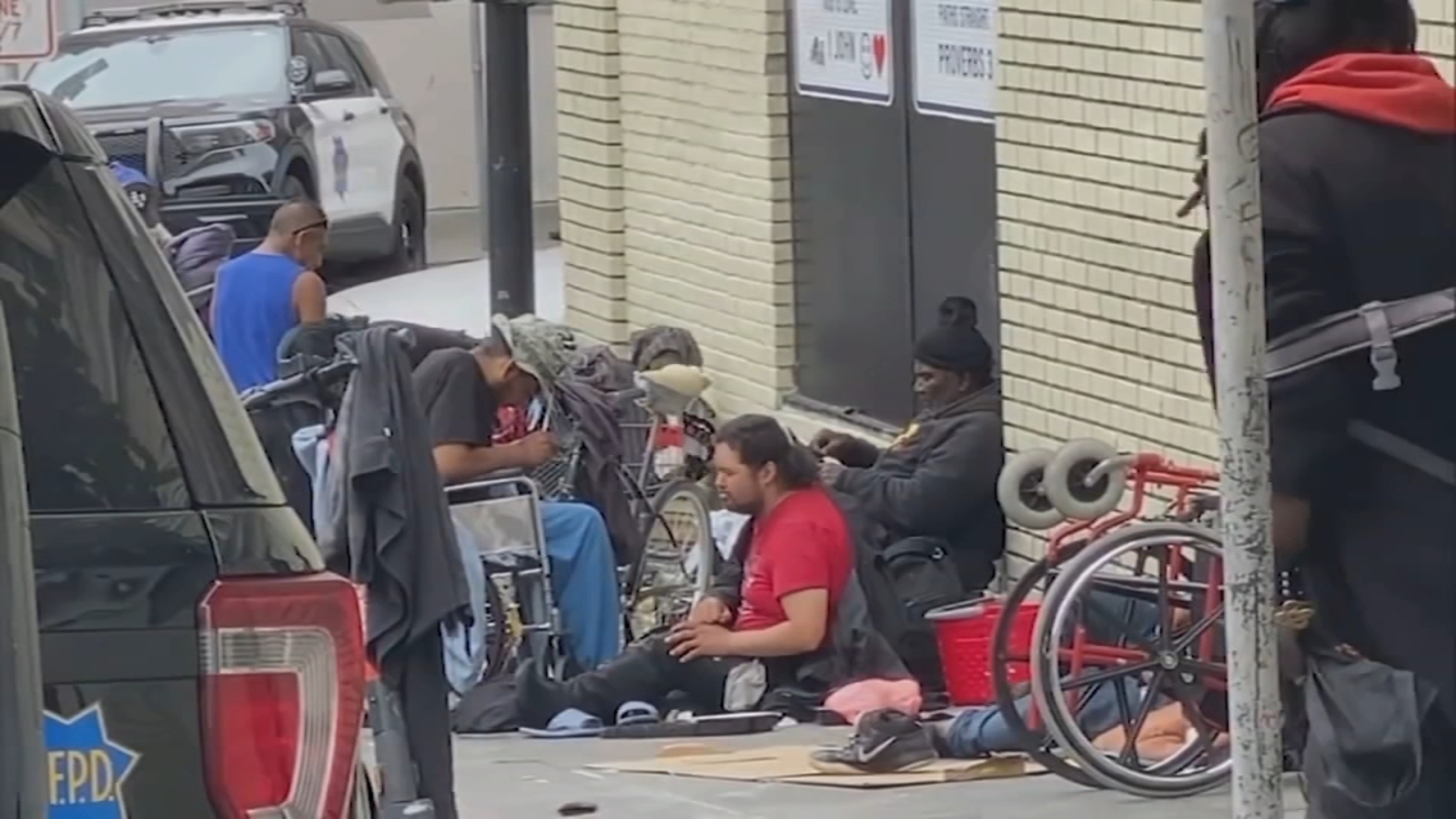
Matt Dorsey, Drug-Free Housing, and San Francisco’s Addiction Policy Fight
San Francisco keeps running into the same problem. People trying to stay off drugs need housing they can trust, and policymakers keep arguing over how strict that housing should be. The Matt Dorsey drug-free housing debate sits right in that gap. It raises a hard question: should the city back housing rules that ban drug use outright, or keep leaning on more flexible policies that try to meet people where they are?
This matters now because housing is not a side issue in recovery. It can either steady someone’s life or pull it apart. If a building is chaotic, open drug use can spread fast. But if the rules are too rigid, people who need stability may have nowhere to go. That tension is real, and it is not going away. The city has to decide whether it wants housing that feels compassionate in theory or housing that actually helps people stay alive and sober in practice.
What the Matt Dorsey drug-free housing debate is really about
The core issue is simple. Dorsey has pushed the city toward a model that gives more support to housing where drug use is not allowed. That approach is popular with many recovery advocates because it gives residents a clear structure. It also gives neighbors and providers a way to set boundaries without pretending every setting should work the same way.
But the opposition is not random. Some service providers argue that strict drug-free rules can exclude people with active addiction who still need a bed. They worry that if the city narrows access too much, it will push vulnerable people back onto the street. That argument has weight. No serious housing policy can ignore the people most likely to be left out.
“Recovery housing works best when the rules are clear and the setting is stable. But a rule that looks clean on paper can still fail if it leaves the highest-need people with nowhere to go.”
Why drug-free housing appeals to recovery advocates
People in recovery often describe housing as a test of willpower and environment at the same time. If you are trying to stay sober, living around constant drug use can feel like playing defense for 24 hours a day. How much progress can anyone make in that setting?
Drug-free housing offers three practical benefits.
- Predictability. Residents know what the rules are from day one.
- Lower exposure. Less drug use inside the building can reduce triggers and conflict.
- Peer accountability. A recovery-focused setting can make it easier to ask for help before someone spirals.
This is not theory. Recovery housing models, including sober living homes and peer-run residences, often depend on clear expectations. The National Institute on Drug Abuse has long noted that stable housing supports recovery, and the structure of that housing matters. A weak boundary is not compassionate if it helps no one stay on track.
Where the Matt Dorsey drug-free housing idea runs into resistance
The pushback starts with access. People with active substance use disorder still need housing, and many are not ready for a drug-free setting. If the city treats sober housing as the default answer, it may create a filter that screens out the people most in crisis.
There is also a practical concern. Enforcement can be messy. Who checks compliance? What happens after one relapse? Does a single lapse mean someone loses a room, or do providers get room to respond case by case? Those choices matter because housing policy is a lot like building a bridge. If one support is too weak, the whole thing shakes.
And there is another wrinkle. People do not all recover in the same way. Some need abstinence from the start. Others need housing first, then treatment, then sobriety. San Francisco has spent years trying to hold both truths at once. The result has often been a policy stew that pleases no one.
What a workable drug-free housing policy should include
If the city wants the Matt Dorsey drug-free housing approach to do real work, it has to be more than a slogan. It needs rules that are clear, fair, and matched to the population being served.
- Define the housing type. Recovery housing is not the same as emergency shelter or permanent supportive housing. Each serves a different group.
- Set entry expectations up front. People should know whether abstinence is required before move-in.
- Pair rules with services. House managers, counseling referrals, and relapse response plans matter.
- Protect due process. A person should not be removed without a real review of the facts.
- Measure outcomes. The city should track retention, relapse, exits to treatment, and returns to homelessness.
That last point is non-negotiable. If a policy cannot show who it helps and who it shuts out, it is politics, not planning.
What the city should stop pretending
San Francisco cannot keep using one housing model for every addiction problem. That is the fantasy version of policy, and it has cost the city years.
Some people need a low-barrier bed tonight. Others need a sober place with house rules and accountability. Both groups are real. The mistake is treating them as if they have the same needs.
Look, the city already knows this from other parts of public health. A hospital does not use the same protocol for every patient in the ER. Why would housing be any different?
Where the politics may be heading next
The political appeal of the Dorsey position is obvious. It speaks to residents who are tired of open-air drug use and to people in recovery who want housing that supports sobriety instead of undermining it. That is a strong message in a city where many voters think the old approach has failed.
But the city should be careful about turning one pressure point into a total solution. Drug-free housing can be a solid tool. It is not a universal fix. If leaders oversell it, they will disappoint the very people they are trying to help.
The next real test is not whether San Francisco can pass a tougher-sounding rule. It is whether it can build a housing system with more than one lane. That is where the honest work starts. And if the city gets that part right, maybe the next debate will be about results instead of slogans.
This article is for educational purposes only and should not be considered medical advice. Always consult a qualified healthcare provider before making decisions about addiction treatment. If you or someone you know is in crisis, call SAMHSA's National Helpline: 1-800-662-4357 (free, confidential, 24/7).