MAT Treatment Access and the New Federal Push
MAT Treatment Access and the New Federal Push People keep hearing that medications can help stop opioid use, yet MAT treatment access still depends too much on…
MAT Treatment Access and the New Federal Push
People keep hearing that medications can help stop opioid use, yet MAT treatment access still depends too much on where you live, which clinic you can reach, and whether your insurer plays fair. That gap matters now because overdose risk has not vanished, and every delay in care gives addiction more time to tighten its grip. The federal debate around treatment is useful only if it changes what happens in real exam rooms and real pharmacies. Does a policy announcement help if the nearest prescriber has a six-week waitlist? Not much. Families need treatment that starts fast, stays affordable, and does not force people to jump through pointless hoops.
What matters most right now
- MAT treatment access works best when medication, counseling, and follow-up are easy to reach.
- Delays at the first appointment can push people back toward fentanyl or other illicit opioids.
- Insurance rules still block care through prior authorization, limited networks, and uneven pharmacy coverage.
- Rural areas face a brutal shortage of clinicians who can prescribe buprenorphine or coordinate methadone care.
- Good policy should reduce friction, not add another layer of paperwork.
Why MAT treatment access still breaks down
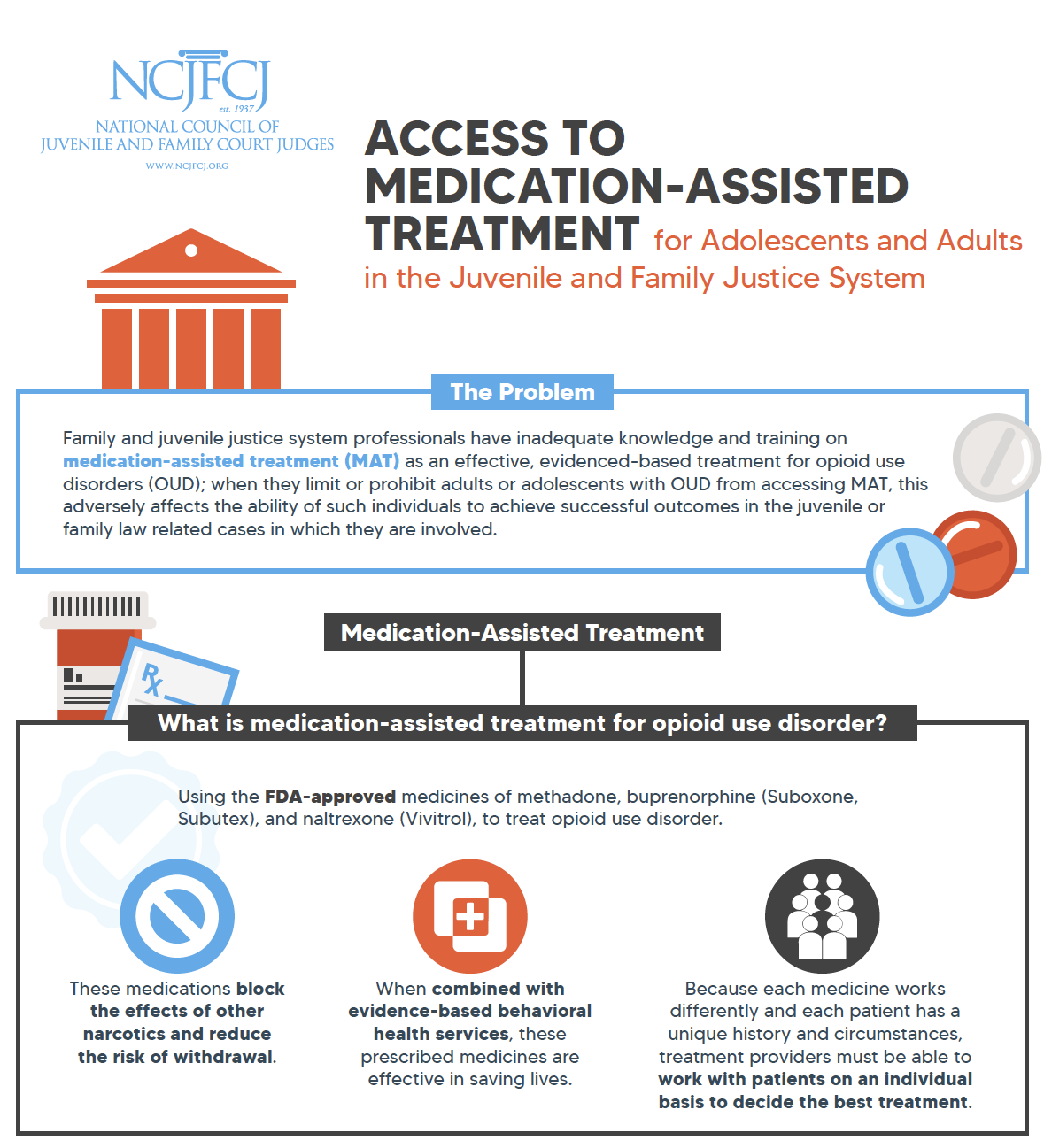
Medication for opioid use disorder is one of the clearest tools in addiction care. Buprenorphine, methadone, and naltrexone each serve different needs, and federal agencies such as SAMHSA and the National Institute on Drug Abuse have long backed them as evidence-based options. But access is uneven. A treatment plan on paper is like a bridge with missing planks. It looks solid until someone tries to cross it.
Provider shortages remain a real barrier. Some regions have fewer prescribers, fewer addiction counselors, and fewer pharmacies willing to stock the right medication. And when a patient needs same-day care, a referral that takes days can be the difference between treatment and relapse.
Policy only helps when it reaches the front desk. If a person cannot get an appointment, fill a prescription, or keep taking the medication, the promise of treatment stays theoretical.
How federal action can improve MAT treatment access
The strongest federal moves are the boring ones. Remove red tape. Expand prescriber support. Pay clinicians for the time it takes to manage complex care. That is how you make treatment real.
1. Cut delays at the point of care
Prior authorization can slow treatment to a crawl. For someone in withdrawal, that is not a paperwork issue. It is a crisis. Fast approval rules, clearer coverage standards, and same-day prescribing pathways can help patients start medication before they walk out the door.
2. Support rural and community providers
Many small practices want to help but lack staffing, training, or specialty backup. Federal grants, telehealth support, and technical assistance can close that gap. Think of it like a kitchen line during dinner service. If one station is short on hands, the whole meal gets delayed.
3. Make pharmacy access less fragile
Even after a prescription is written, the work is not done. Some pharmacies do not stock the needed drug. Others place extra limits on pickup. Better coordination between prescribers, pharmacies, and insurers would save patients from a second round of stress.
What families should ask about MAT treatment access
If someone you love needs care, ask direct questions. The answers tell you whether a program is serious or just polished on the surface.
- Can the patient start medication the same day?
- Which medications do you offer, and why?
- Do you accept the patient’s insurance without extra steps?
- What happens after the first week?
- How do you handle relapse, missed visits, or withdrawal symptoms?
Those questions can feel blunt. Good. Addiction is blunt.
Why the funding debate should stay grounded
Advocates often talk about treatment access in broad terms, but the daily reality is narrower. Can someone find a prescriber within 30 miles? Will the pharmacy fill the script today? Can they keep working while they get care? Those are the questions that decide outcomes.
Lawmakers can point to new spending or new oversight, but the real test is whether a patient in crisis gets help before the window closes. That means more access points, fewer administrative traps, and treatment models that fit real lives. Not idealized ones.
What comes next for MAT treatment access
The next step is simple to say and hard to fake. Build a system where medication for opioid use disorder is easy to start, easy to keep, and hard to interrupt. That means stronger local capacity, cleaner insurance rules, and honest follow-through from federal officials who say they care about overdose deaths.
Look, the country already knows what works. The harder question is whether policymakers will make it available before the next family has to learn the answer the painful way.
This article is for educational purposes only and should not be considered medical advice. Always consult a qualified healthcare provider before making decisions about addiction treatment. If you or someone you know is in crisis, call SAMHSA's National Helpline: 1-800-662-4357 (free, confidential, 24/7).