Manatee County’s New Shelter Aims for Faster Help, Fewer Street Nights
Manatee County’s New Shelter Aims for Faster Help, Fewer Street Nights Manatee County homeless shelter plans have been stalled for years while tents and cars…
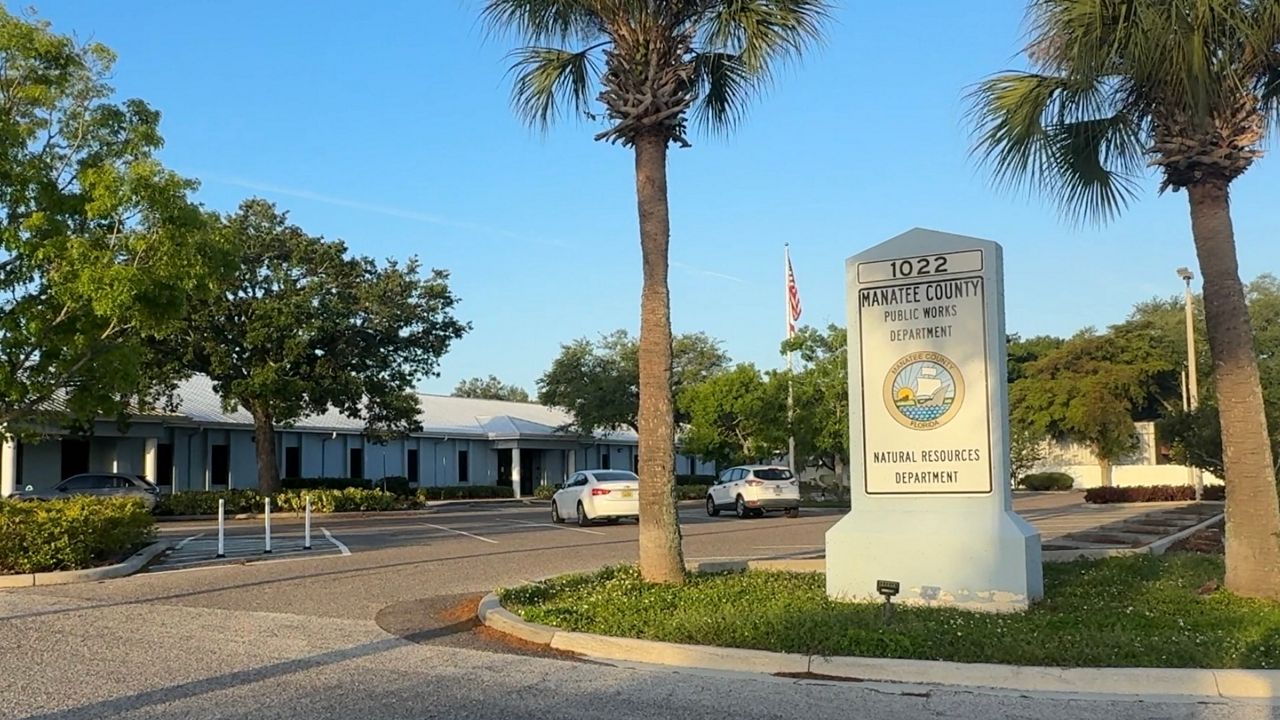
Manatee County’s New Shelter Aims for Faster Help, Fewer Street Nights
Manatee County homeless shelter plans have been stalled for years while tents and cars became default bedrooms for too many neighbors. Now county leaders are backing an emergency site with low-barrier beds, rapid intake, and links to treatment. You want to know if this will cut street nights or just shuffle people around. Timing matters because local rent hikes and hurricane seasons keep adding pressure. The proposal promises medical screening, case management, and transport from law enforcement drop-offs, all under one roof. The county says construction starts this year. The question is whether the new shelter can deliver fewer ER visits and fewer police calls without piling on red tape. Like a good offensive line, it needs to clear the way fast, not just block headlines.
What you should know
- Low-barrier design keeps entry rules minimal to reach people fast.
- Facility aims to centralize intake, beds, medical checks, and transit links.
- County targets opening within a year to address growing unsheltered counts.
- Partnerships with health providers and nonprofits shape daily operations.
- Costs will hinge on staffing, security, and on-site clinical support.
How the Manatee County homeless shelter fills gaps
Local outreach teams say the current patchwork of motel vouchers and church cots fails during storms or heat waves. An emergency shelter with triage space and transport lanes could shorten waits for detox or wound care. The plan borrows from Houston’s coordinated access model, which cut chronic homelessness by focusing on fast entry and permanent housing placements.
“Beds without services just spin the turnstile,” one outreach nurse told me. “Getting people stable in 48 hours changes everything.”
The county sketches 24/7 intake so law enforcement can drop people quickly instead of parking outside overflowing clinics. More beds alone do not solve homelessness.
What the Manatee County homeless shelter means for services
Look, capacity only matters if the rules do not scare people off. Will sobriety requirements be dropped in favor of safety checks and basic behavior standards? That choice decides whether the shelter reaches the people with the highest needs. Expect on-site mental health screening, which could cut repeat ER visits, and a pharmacy tie-in for maintenance meds. The county is also talking about transportation loops to clinics and housing appointments, a small but critical fix (and a hot meal).
Think of this shelter like a good point guard: it should pass people to the right programs fast, not try to take every shot. If staff can clear intake within hours, they free up police and EMS time. If the process drags, street encampments persist. Which outcome feels more likely with the current funding plan?
Funding, accountability, and the road ahead
Early numbers point to construction and first-year staffing as the biggest costs. Federal grants can cover build-out, but ongoing clinical staff will strain the county budget unless hospitals and insurers step in. Watch for metrics such as average length of stay, diversion from jail, and exits to permanent housing. Those should be public monthly. Without that transparency, the shelter risks becoming another warehouse.
Here’s the thing. A single building will not erase homelessness, yet it can reset how quickly people get to safety. The county has a chance to prove that fast triage, medical care, and housing navigation work better than moving people along the sidewalk. Do we take it?
Next moves for residents and providers
- Ask commissioners to publish clear intake rules and data dashboards before opening.
- Align local clinics to provide on-call staff during peak evening hours.
- Coordinate with landlords willing to reserve units for rapid rehousing placements.
- Train shelter staff on trauma-informed care to reduce conflicts on-site.
Push for that data, then hold the county to it.
This article is for educational purposes only and should not be considered medical advice. Always consult a qualified healthcare provider before making decisions about addiction treatment. If you or someone you know is in crisis, call SAMHSA's National Helpline: 1-800-662-4357 (free, confidential, 24/7).