Kentucky Recovery Ready Communities Gain Ground in Eastern Kentucky
Kentucky Recovery Ready Communities Gain Ground in Eastern Kentucky People in recovery do not need another slogan. They need a place that makes it easier to…
Kentucky Recovery Ready Communities Gain Ground in Eastern Kentucky
People in recovery do not need another slogan. They need a place that makes it easier to stay sober, find work, and get help fast when life starts pushing back. That is why the Recovery Ready Communities effort matters now. It gives counties a practical way to line up treatment, jobs, transportation, and local support instead of leaving each piece to chance.
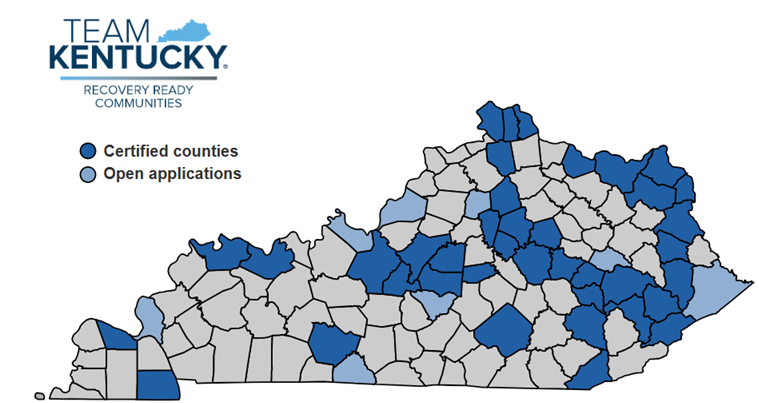
Gov. Andy Beshear’s update on Higher Ground Communities and the certification of two eastern Kentucky counties shows the state is moving from talk to structure. That shift matters because recovery often breaks down in the gaps. A person can finish treatment and still lose ground if they cannot get to a meeting, find a landlord who will rent to them, or connect with a job that will take a second chance.
Look, this is not flashy work. But it is the kind that changes odds.
- Recovery Ready Communities focus on local systems, not one-off services.
- Certification signals that a county has built support around recovery.
- Jobs, transportation, housing, and peer support all matter.
- Eastern Kentucky remains a key testing ground for this model.
- The goal is simple. Make recovery easier to sustain.
What Recovery Ready Communities Actually Do
A Recovery Ready Communities program asks local leaders to line up the basics. That includes recovery supports, employer buy-in, community education, and referral pathways so people know where to go next. It is a little like building a house with all the framing in place. If one beam is missing, the whole structure gets shaky.
The point is not perfection. The point is coordination. Counties that earn certification are showing they can work across agencies, nonprofits, and businesses to remove predictable barriers.
Recovery works better when the county is built for it. That means fewer dead ends, faster referrals, and more doors that stay open.
Why the Recovery Ready Communities model matters in eastern Kentucky
Eastern Kentucky has long faced higher rates of poverty, fewer transportation options, and fewer health care resources than many parts of the state. Those pressures do not vanish when someone leaves treatment. They follow them home.
That is why this model is more than symbolic. If a county can connect recovery housing, peer support, workforce partners, and local government, then the person in recovery is not trying to solve every problem alone. Who can build momentum that way?
The state update also points to a wider reality. Recovery is local. It happens in county offices, clinics, churches, job sites, and living rooms. State policy can set the direction, but local follow-through decides whether it sticks.
What counties need to qualify as Recovery Ready Communities
- Show local leadership. Counties need people at the table who can make decisions and keep them moving.
- Map recovery supports. That means treatment, peer recovery services, housing, and crisis help.
- Build employer links. Recovery is harder without work. Local businesses matter here.
- Improve access. Transportation and referral systems should make sense to real people, not just planners.
- Track follow-through. A certification should mean something measurable, not just a plaque on a wall.
And that last part matters. If a county cannot show that people can move through the system with fewer delays, the label loses force.
How employers fit into the recovery picture
Jobs are not a side issue. They are central. Many people in recovery need a stable paycheck, a predictable schedule, and a workplace that does not treat a past substance use disorder as a permanent stain.
Employers who partner with Recovery Ready Communities can help close the gap between treatment and long-term stability. That can mean hiring people in recovery, supporting second-chance hiring policies, or working with local recovery leaders to understand what employees may need. It is practical business, not charity.
Think of it like coaching. A team does better when the coach knows the players, the field, and the game plan. Communities work the same way.
What this means for families and residents
If you have a loved one in recovery, a certified community can make the path less lonely. It should mean clearer referral options, better visibility for peer support, and fewer moments where a family has to start from zero after a setback.
For residents who have never dealt with addiction, this still matters. Strong recovery systems lower pressure on emergency rooms, jails, and schools. They also make towns more stable. That is not a soft benefit. It is a civic one.
But the real test is what happens after the announcement fades. Will counties keep building? Will services stay connected? Will residents know where to go when a crisis hits?
Where Recovery Ready Communities go next
The smartest move now is follow-through. Counties that earn certification need to keep tightening the link between treatment, housing, employment, and peer support. State leaders should keep reporting outcomes in plain language so people can see what is working.
Recovery policy gets a lot of attention when it is announced. The harder part is the slow, ordinary work after that. That is where lives change. And if more eastern Kentucky counties can keep proving the model works, who will want to call this just another pilot?
Next up is simple. Watch whether these counties keep the infrastructure strong enough to help the next person who needs a second chance.
This article is for educational purposes only and should not be considered medical advice. Always consult a qualified healthcare provider before making decisions about addiction treatment. If you or someone you know is in crisis, call SAMHSA's National Helpline: 1-800-662-4357 (free, confidential, 24/7).