Kabul Drug Rehab Under Fire
Kabul Drug Rehab Under Fire If you follow addiction treatment in conflict zones, this story hits a nerve fast. A Kabul drug rehab center became part of the…
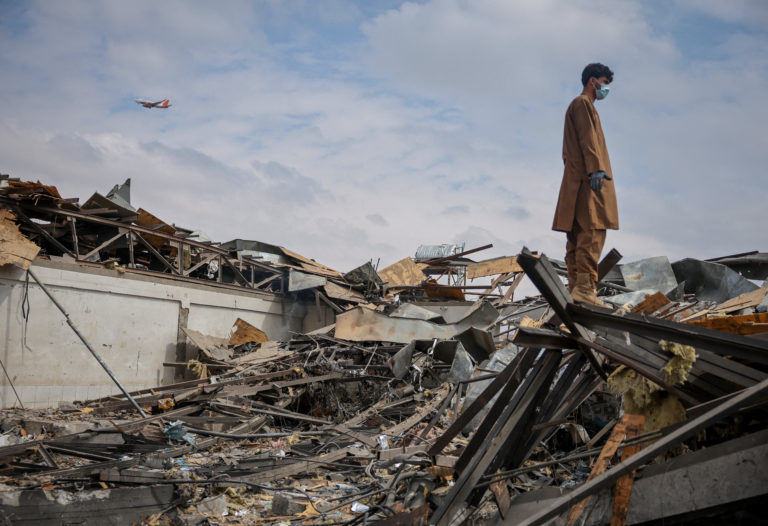
Kabul Drug Rehab Under Fire
If you follow addiction treatment in conflict zones, this story hits a nerve fast. A Kabul drug rehab center became part of the fallout after a Pakistani airstrike, showing how thin the line is between public health and war. Treatment programs already struggle in Afghanistan with scarce funding, overcrowding, relapse risk, and mass displacement. Then violence cuts through what little support exists. What happens to patients detoxing, sleeping on site, or trying to stay off drugs when the building itself is damaged or emptied? That is not an abstract policy question. It shapes whether people return to the street, lose medical care, or disappear from a fragile system. And for families, one strike can erase months of progress in a single night.
What matters most
- Kabul drug rehab services sit inside a larger crisis shaped by conflict, poverty, and weak health infrastructure.
- An airstrike does damage beyond buildings. It disrupts detox, counseling, medication access, and patient tracking.
- People in treatment are especially exposed during displacement because relapse and overdose risk can rise after sudden interruption.
- Recovery systems in war zones need continuity plans, safe transfer routes, and basic records that can move with patients.
Why the Kabul drug rehab story matters
Addiction treatment rarely gets treated like essential infrastructure during conflict. It should. For people in residential care, even a short interruption can blow up the routine that keeps withdrawal managed and cravings in check.
Look, rehab is not a switch you flip. It is closer to rebuilding a damaged bridge while trucks are still trying to cross it. Remove one support beam, whether that is shelter, staff, food, or security, and the whole structure starts to wobble.
When violence hits a treatment center, the damage spreads past the blast zone. Patients lose stability, providers lose contact, and families lose trust in the system.
That matters in Afghanistan, where drug dependence has long intersected with displacement, unemployment, trauma, and limited psychiatric care. A rehab center in Kabul is not just a clinic. In many cases, it is one of the few places where people can be fed, monitored, and kept away from immediate drug access for at least a short time.
How conflict disrupts addiction treatment
1. Detox can become dangerous
Patients in early recovery may need supervision for withdrawal symptoms, hydration, sleep support, and emergency care. If an airstrike forces evacuation, those basics can vanish in hours. And if records do not move with the patient, the next provider may have no idea what substances were involved.
2. Staff scatter
Doctors, nurses, counselors, guards, cooks, drivers. A residential center depends on all of them. After an attack, some may flee, some may be injured, and some may simply be unable to cross checkpoints. That turns a strained program into a broken one.
3. Patients get displaced and lost
This is where systems often fail hardest. A person leaving rehab without a discharge plan, family contact, medication list, or transport support can slip out of care almost at once. In unstable settings, there may be no follow-up call, no community clinic, no outreach worker.
One missed handoff can undo everything.
4. Relapse risk spikes
Stress, grief, pain, and sudden homelessness are classic relapse triggers. So is the loss of structure. If patients return to neighborhoods where drugs are easy to find, the odds get worse fast.
What this says about Afghanistan’s recovery system
Afghanistan’s addiction crisis did not start with one strike, and it will not end with one either. Years of war have left deep trauma, while economic collapse and displacement keep feeding substance use and mental health strain. Treatment programs work in that pressure cooker every day.
Honestly, this is the part many officials miss. You cannot separate drug treatment from housing, food, safety, and transport. Recovery in Kabul depends on all of them at once.
There is also a credibility problem. If families believe treatment centers are unsafe or temporary, they may stop bringing relatives in. That shrinks access even before any formal closure happens.
What a safer Kabul drug rehab response should include
- Emergency patient transfer plans. Every residential program should have a simple relocation protocol with destination sites, transport contacts, and triage rules.
- Portable medical records. Even paper summaries help. Substance history, withdrawal status, medications, and emergency contacts should travel with the patient.
- Family notification systems. A basic phone tree or messaging chain can stop panic and help reunify patients with relatives.
- Short-term medication continuity. Programs need backup supplies and clear rules for emergency dispensing where clinically appropriate.
- Links to mental health care. Airstrikes add fresh trauma to people already carrying a heavy load. That cannot be treated as a side issue.
What families and aid groups should watch next
Want to know whether recovery services are actually being restored? Watch a few plain indicators instead of official rhetoric.
- Has the center reopened fully, partially, or not at all?
- Were patients transferred safely to another site?
- Are staff still on payroll and able to work?
- Is detox care functioning, or is the site only providing shelter?
- Are women, homeless people, and people with co-occurring mental illness still able to enter care?
Those details tell you more than broad claims about resilience. They show whether treatment is real, or just symbolic.
The wider lesson for harm reduction and treatment
Conflict settings force hard choices, but addiction care cannot keep getting pushed to the back of the line. If a rehab center is treated as optional, the burden lands elsewhere. On emergency rooms. On families. On the street.
And there is a bigger point here. Harm reduction and treatment planning should be built like earthquake codes in fragile states. You hope the hit never comes, but you design for impact anyway.
The next step is plain. Aid agencies, health officials, and local providers should treat continuity of addiction care as non-negotiable, because if a Kabul drug rehab center can vanish from the map overnight, recovery needs a backup plan before the next blast does the same thing again.
This article is for educational purposes only and should not be considered medical advice. Always consult a qualified healthcare provider before making decisions about addiction treatment. If you or someone you know is in crisis, call SAMHSA's National Helpline: 1-800-662-4357 (free, confidential, 24/7).