Kabul Drug Rehab Centre Air Strikes and War Crime Concerns
Kabul Drug Rehab Centre Air Strikes and War Crime Concerns The Kabul drug rehab centre air strikes have raised a blunt question that cannot be dodged. Were…
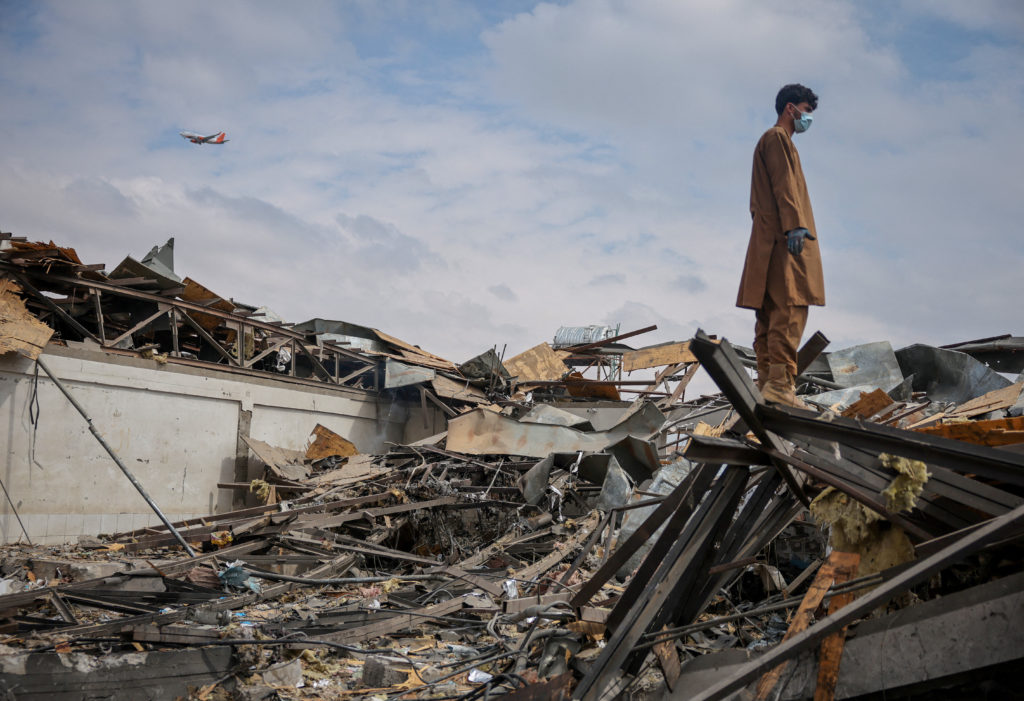
Kabul Drug Rehab Centre Air Strikes and War Crime Concerns
The Kabul drug rehab centre air strikes have raised a blunt question that cannot be dodged. Were civilians in a medical setting hit in a way that should trigger a war crimes investigation? Amnesty International says yes, or at minimum that the attack deserves that level of scrutiny. That matters now because drug treatment facilities are not military chess pieces. They are places where vulnerable people seek care, often with little else left. If air strikes can hit a rehab centre and leave patients dead, then the rules meant to protect civilians are already under strain. And if those rules fail here, where do they hold?
- Amnesty says the Kabul strike should be investigated as a possible war crime.
- A drug rehab centre is a protected civilian site unless it is being used for military purposes.
- Accountability depends on clear evidence, not blanket claims about security.
- Patients in addiction treatment are among the least able to protect themselves during attacks.
What makes the Kabul drug rehab centre air strikes so serious?
This was not a hit on a weapons depot or a checkpoint. It involved a drug rehabilitation centre, a place linked to health care and patient treatment. Under international humanitarian law, that changes the analysis fast. Medical facilities have special protection, and any attack on them demands a hard look at proportionality, distinction, and military necessity.
Amnesty’s call is not just about one incident. It is about whether armed forces treat civilian space as optional when they plan air operations. That is a dangerous habit. Look, if a rehab centre can be treated like any other target, then the protection of hospitals, clinics, and treatment homes becomes paper-thin.
“A health facility is not a battlefield by default. If it is struck, investigators must ask who was there, what intelligence was used, and whether every feasible precaution was taken.”
Why drug treatment centres deserve special protection
People in addiction treatment often have limited mobility, unstable health, and little ability to flee fast. Some are in withdrawal. Some are sedated. Some are recovering from severe mental or physical distress. That makes an air strike on a rehab site especially severe, because the people inside are not in a position to absorb blast damage or run for shelter.
This is not abstract law. It is basic risk. If you were designing safe civilian policy from scratch, you would start with the weakest people in the room. Instead, armed conflict too often does the opposite.
What investigators should look for
- Whether the centre was operating as a civilian health facility.
- Whether any military personnel or equipment were inside.
- What intelligence was used before the strike.
- Whether warnings were given and whether evacuation was possible.
- Whether the expected military gain outweighed the likely civilian harm.
Kabul drug rehab centre air strikes and the law of war
The legal test is not whether an attack happened in wartime. It is whether the attack respected the rules that make warfare less savage. Did the party launching the strike distinguish between civilian and military targets? Did it take feasible precautions? Did it avoid attacks expected to cause excessive civilian harm?
Those are not decorative standards. They are the floor. And when a strike hits a rehab centre, the burden on the attacker gets heavier, not lighter.
Amnesty’s reporting points toward a need for independent fact-finding. That means collecting witness accounts, medical records, satellite imagery, strike data, and command decisions. Without that, official denials can fill the vacuum. That is how impunity grows.
What this means for civilians and aid groups
The broader damage goes beyond the immediate casualties. After an attack like this, people may avoid treatment facilities, even when they need care badly. Families may hide relatives with addiction. Aid groups may struggle to keep centres open. The result is predictable and grim. Services shrink just when demand rises.
For humanitarian groups, the lesson is plain. Civilian health sites need better mapping, better communication with conflict parties, and faster documentation when attacks happen. But protection cannot rest on charity alone. States have to honor the rules, not improvise around them.
Honestly, this is a test of whether “civilian protection” means anything outside speeches.
What accountability should look like now
Serious allegations need serious steps. That means an independent investigation with access to evidence, chain-of-command review, and public findings. It also means looking beyond the trigger puller. Who approved the operation? Who verified the target? Who ignored the risk?
For readers who want the short version, here it is: if a drug rehab centre was struck without lawful military reason, that is not a side issue. It is the core issue. And if the facts support it, prosecutors should treat it that way.
The next move should be simple and uncomfortable. Open the records, verify the target, and ask the question no one likes to ask after the smoke clears. Was this an accident, or was it a crime?
This article is for educational purposes only and should not be considered medical advice. Always consult a qualified healthcare provider before making decisions about addiction treatment. If you or someone you know is in crisis, call SAMHSA's National Helpline: 1-800-662-4357 (free, confidential, 24/7).