Jefferson County Drug Take Back: Safe Disposal for Pills and Syringes
Jefferson County Drug Take Back: Safe Disposal for Pills and Syringes Old prescriptions sitting in your bathroom cabinet can create real risk. Pain pills,…
Jefferson County Drug Take Back: Safe Disposal for Pills and Syringes
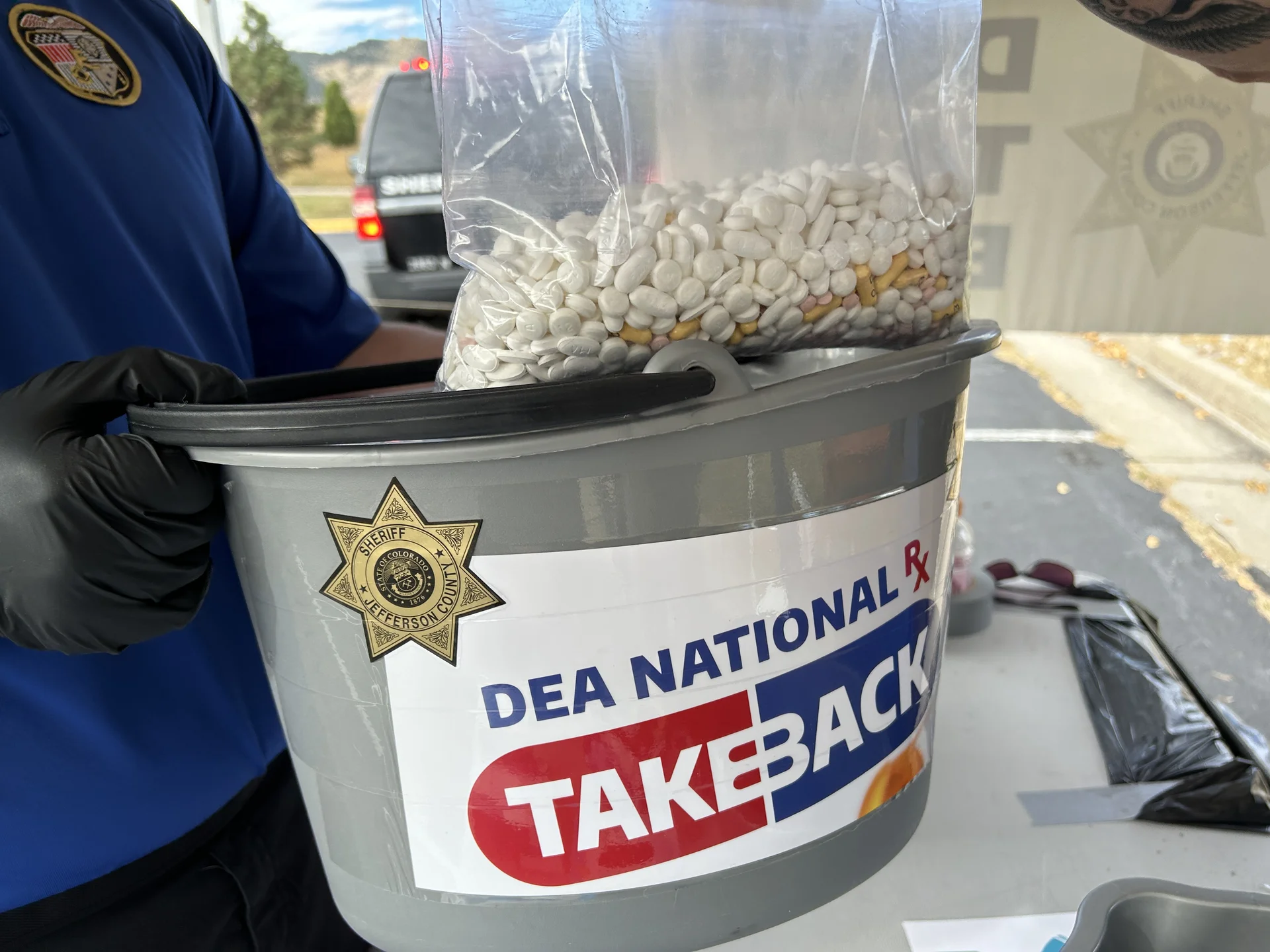
Old prescriptions sitting in your bathroom cabinet can create real risk. Pain pills, sedatives, and other unused medications can be misused, taken by children, or washed into local waterways if you toss them the wrong way. That is why the Jefferson County drug take back effort matters now. The Jefferson County Health Department and the Jefferson County Sheriff’s Office are collecting unwanted prescription drugs and syringes, giving residents a safer option than the trash, toilet, or kitchen drawer. If you have medications you no longer need, this is the kind of errand that can prevent a family crisis. It also helps reduce accidental needle sticks for sanitation workers and first responders. Simple? Yes. But public health often works best when it is boring, local, and easy to use.
What to Know Right Now
- The Jefferson County Health Department and Jefferson County Sheriff’s Office are taking back unwanted prescription drugs and syringes.
- Safe disposal lowers the chance of misuse, accidental poisoning, and needle-stick injuries.
- Do not flush medications unless the label or FDA guidance specifically tells you to do so.
- Keep syringes in a puncture-resistant sharps container before drop-off.
- Call the local health department or sheriff’s office for current hours, accepted items, and drop-off details.
Why the Jefferson County Drug Take Back Matters
Prescription drug misuse often starts close to home. The National Institute on Drug Abuse has reported that many people who misuse prescription opioids get them from friends or relatives, sometimes from a medicine cabinet that no one checks. That is the uncomfortable truth behind these events.
A take back program cuts off one common supply route. It also gives you a clean answer to a common household problem: what should you do with medication after surgery, dental work, or a medication change?
Unused medication is not harmless storage. In the wrong hands, it can become an overdose risk, a poisoning risk, or a relapse trigger.
Look, I have covered drug disposal events for years, and the best ones share one trait. They make the safe choice the easy choice. That is what Jefferson County appears to be doing here.
How to Use the Jefferson County Drug Take Back Safely
Before you head out, take five minutes to sort what you have. Do not rush this part. A little order in the kitchen can save confusion at the collection site.
- Gather unused prescriptions. Include expired pills, leftover pain medication, and medicines you no longer take.
- Remove personal information. Scratch out your name, address, prescription number, and doctor information on the label.
- Keep medication in a container. Original bottles are fine after you remove private details. A sealed bag may also be accepted, but check local instructions first.
- Separate syringes. Syringes should not be loose. Use a sharps container or a thick plastic container with a tight lid, such as an empty detergent bottle.
- Confirm the drop-off rules. Call ahead for location, hours, and any limits on liquids, inhalers, or medical equipment.
One errand can clear years of clutter.
Jefferson County Drug Take Back and Syringe Disposal
Syringe disposal deserves its own attention because loose needles create a different kind of hazard. A pill in the trash is dangerous if someone finds and swallows it. A needle can injure someone instantly, including a child, housekeeper, sanitation worker, deputy, or EMT.
The Centers for Disease Control and Prevention warns that needle-stick injuries can expose people to bloodborne infections. The risk depends on the situation, but nobody should have to gamble because a syringe was tossed into a grocery bag.
What counts as safer sharps handling?
- Place used syringes directly into a sharps container.
- If you do not have one, use a heavy-duty plastic container with a screw-on lid.
- Do not overfill the container.
- Do not recap, bend, or break needles by hand.
- Label the container if local guidance asks you to.
Think of it like handling broken glass in a restaurant kitchen. You do not leave it loose for the next person to find. You contain it, label it, and move it out safely.
What You Should Not Do With Old Medication
The old advice to flush pills has mostly aged badly. The U.S. Food and Drug Administration does maintain a flush list for certain high-risk medications, especially when no take back option is available. But for most household medication, a take back site is the better route.
Trash disposal can also be risky if you skip basic safeguards. If a take back option is unavailable, the FDA advises mixing many medicines with something unappealing, such as used coffee grounds or cat litter, sealing the mixture in a bag, and removing personal information from the packaging. But why settle for the backup plan if a local collection is available?
Families in Recovery Should Pay Extra Attention
If someone in your home is in recovery, medication storage is not a small detail. It can be part of relapse prevention. Leftover opioids after a surgery or unused anxiety medication can become a temptation during a hard week.
That does not mean your home needs to feel like a pharmacy vault (though lock boxes help). It means you should build a routine. Check the medicine cabinet after medical appointments, clean out expired prescriptions twice a year, and ask your pharmacist what to do with anything questionable.
A practical home checklist
- Store current prescriptions in one controlled place.
- Use a lock box for controlled substances.
- Count high-risk medications if misuse is a concern.
- Dispose of leftovers as soon as treatment ends.
- Talk plainly with teens about why old prescriptions are not safe to share.
Honestly, the awkward conversation is easier than the emergency room conversation.
What to Ask Before You Go
Local collection rules can change, especially for syringes, liquids, inhalers, and controlled substances. Before you drive over, contact the Jefferson County Health Department or the Jefferson County Sheriff’s Office and ask direct questions.
- Where is the drop-off location?
- What are the current hours?
- Are syringes accepted at the same site as medications?
- Do syringes need to be in a specific container?
- Are liquids, creams, patches, or inhalers accepted?
- Is the service anonymous?
Those details matter. A solid program still depends on clear rules at the door.
A Small Public Health Move With Real Payoff
The Jefferson County drug take back is not flashy, and that is fine. It is a practical public health service that removes risk from homes before it turns into a call for help. If you have old medication or syringes sitting around, set them aside today, package them safely, and confirm the drop-off details with local officials.
The next useful step is simple: open the medicine cabinet and see what should not still be there.
This article is for educational purposes only and should not be considered medical advice. Always consult a qualified healthcare provider before making decisions about addiction treatment. If you or someone you know is in crisis, call SAMHSA's National Helpline: 1-800-662-4357 (free, confidential, 24/7).